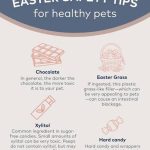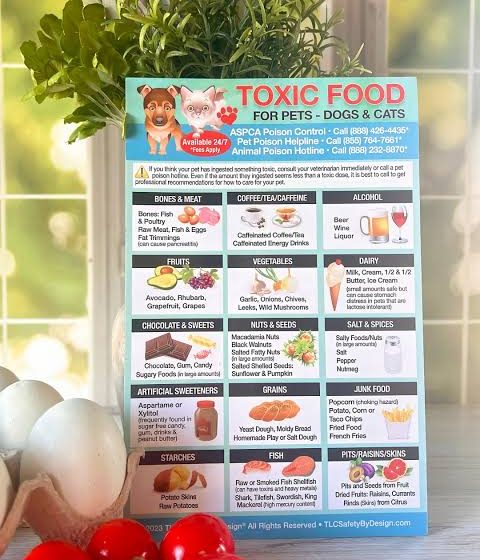
Last updated: August 11, 2026
- What To Do If Your Pet Already Ate Something Suspicious If this is happening right now, do not spend 20 minutes hunting through forums.
- The first question is blunt: is this food toxic, and do I need to call a vet now?
- Quick Answer: The highest-risk foods are xylitol, onions, garlic, grapes, raisins, chocolate, caffeine, and alcohol.
- The ASPCA Animal Poison Control Center and Pet Poison Helpline both recommend calling promptly after a known exposure.
A dog or cat that just grabbed something suspicious can turn a quiet kitchen into a panic in seconds. The first question is blunt: is this food toxic, and do I need to call a vet now? This poisonous foods dogs cats: simple home safety guide gives the quick answer first: if the food contains xylitol, onion, garlic, grapes, raisins, chocolate, caffeine, or alcohol, call a veterinarian or pet poison hotline right away. I write about pet health and home safety, and this is one of the few topics where a calm, fast answer matters more than a long explanation.
Quick Answer: The highest-risk foods are xylitol, onions, garlic, grapes, raisins, chocolate, caffeine, and alcohol. In dogs, xylitol can cause a dangerous blood sugar drop in as little as 30 minutes, and grape or raisin kidney failure can begin within hours to 1 day. The ASPCA Animal Poison Control Center and Pet Poison Helpline both recommend calling promptly after a known exposure.
Key Facts
– True toxin foods need immediate attention. Xylitol, onions, garlic, grapes, raisins, chocolate, caffeine, and alcohol can cause severe illness.
– Small amounts can matter. Xylitol poisoning can start fast, and onion or garlic toxicity is especially risky in small pets.
– Not every bad food is a toxin. Fatty scraps and rich sauces often cause vomiting or pancreatitis instead.
– Cats and dogs are not the same risk. Dogs are more likely to gulp large amounts; cats are more sensitive to concentrated seasonings.
– If symptoms appear, call now. Vomiting, tremors, wobbliness, collapse, trouble breathing, or seizures need urgent veterinary advice.
Some human foods are harmless in tiny amounts, some simply upset the stomach, and a few can become real emergencies. The danger is not always the dramatic “poison” people picture. Sometimes it’s a small ingredient hiding inside an ordinary snack — onion powder, xylitol, raisins, chocolate, alcohol, or a fatty food that triggers pancreatitis. Ugly little trap.
I’m going to give you the practical version I wish every pet owner had taped to the fridge: what to keep out of reach, what symptoms to watch for, what to do right away, and when to stop guessing and call a veterinarian or poison hotline.
The Real Difference Between Toxic Foods and Just Upsetting Foods
Some foods are mostly irritating; others can damage organs or set off a life-threatening reaction. That difference matters because a dog that stole a bit of plain bread is in a very different spot from a dog that ate gum with xylitol or a cat that licked onion-heavy soup.
I group problem foods into three buckets.
First are true toxins. These can cause serious harm even in relatively small amounts. The classic examples are xylitol, grapes and raisins in dogs, onions and garlic for both species, alcohol, macadamia nuts for dogs, and the caffeine family — coffee, energy drinks, tea, and chocolate. The ASPCA Animal Poison Control Center and the Pet Poison Helpline both keep updated poison guidance, and the ASPCA’s toxic foods resource is a solid place to confirm what counts as an emergency: https://www.aspca.org/pet-care/animal-poison-control
Second are foods that are not “poisons” but still risky. Fatty table scraps, rich sauces, moldy leftovers, and large amounts of dairy often lead to vomiting, diarrhea, or worse. Cats, in particular, do not need rich people food to become sick.
Third are foods that look safe until you read the label. The hidden traps are usually seasonings and sweeteners. Onion powder in soup mix. Garlic powder in seasoned meat. Xylitol in gum, peanut butter, toothpaste, and some baked goods. Alcohol in desserts or uncooked dough. If a food was made for humans and tastes strongly sweet, savory, or festive, I check the label before a pet gets near it. Better to be annoying than sorry.
My rule is blunt: if the ingredient list includes xylitol, onion, garlic, raisins, grapes, chocolate, alcohol, or caffeine, keep it away from pets entirely.
Poisonous Foods for Dogs and Cats: What I Keep Off the Counter
This is the part that prevents trouble, and the short list below is the one I would use in a real kitchen. If you want a second opinion on any item, the ASPCA and Pet Poison Helpline both provide current guidance.
Xylitol
Xylitol is one of the most dangerous hidden ingredients for dogs. It can trigger a rapid drop in blood sugar and can also harm the liver. For cats, accidental exposure is less common, but I would still treat it as unsafe and ask a veterinarian or poison hotline about any exposure. The problem is that xylitol hides in gum, mints, peanut butter, some “sugar-free” baked goods, and dental products.
Chocolate, coffee, tea, and energy drinks
These contain methylxanthines, which can cause restlessness, vomiting, abnormal heart rate, tremors, or seizures. Dark chocolate and baking chocolate are more concerning than milk chocolate, but I would not play the guessing game of “how much is too much.” For cats, coffee grounds or tea bags are a real risk because they often lick things that look harmless. The ASPCA and Pet Poison Helpline both list caffeine and chocolate as urgent concerns.
Grapes and raisins
For dogs, grapes and raisins are a major red flag because they can cause kidney failure in some cases. There is no safe “test portion” I would recommend. For cats, they are not a common snack, but I would still keep them out of reach and ask a veterinarian if one was eaten.
Onions, garlic, chives, and leeks
These can damage red blood cells in both dogs and cats. The catch is that the danger is often hidden in broth, gravy, stuffing, pizza sauce, soup, and seasoned meat. Powdered forms count too, which is why I read labels on seasonings and leftovers.
Alcohol and raw dough
Alcohol can depress the nervous system and affect breathing. Raw yeast dough is dangerous for two reasons: it can expand in the stomach and it can ferment, producing alcohol.
Macadamia nuts
These are mainly a dog problem. They can cause weakness, vomiting, tremors, and a wobbly gait. I would not offer mixed holiday nuts to a dog at all, because the real issue is the bowl, not the one nut you can identify.
Fatty scraps and cooked bones
These are not “toxic” in the classic sense, but they cause plenty of emergency visits. Fatty foods can trigger pancreatitis, and cooked bones can splinter or obstruct the gut. The danger is especially high after holidays when trash cans become buffets.
Milk, cheese, and creamy desserts
Many adult pets do not digest dairy well. That usually means diarrhea or vomiting rather than poisoning, but if a pet has eaten a large amount of ice cream, whipped cream, or cheese sauce, I would watch closely.
A useful government-backed resource is the FDA’s warning page on xylitol in human food and products: https://www.fda.gov/animal-veterinary/animal-health-literacy/xylitol-products-are-dangerous-dogs
Dogs vs. Cats: The Specific Risks I’d Treat Differently
Dogs and cats share some dangers, but I do not treat them like the same animal in the kitchen. The practical difference is less about the food list than about how each species gets into trouble.
Dogs are the scavengers. They are more likely to eat a whole pan of brownies, lick the peanut butter jar, inhale dropped grapes, or chew into a bag of trail mix. So my dog safety focus is on accessibility: counter edges, trash lids, lunch bags, diaper bags, gym bags, and guest purses. If it smells interesting, a dog may investigate first and ask questions never.
Cats are pickier, but not safer. They may eat less random junk, yet they are vulnerable because many owners think “a little bite won’t matter.” Onion and garlic in cooked food are a big concern here because cats are much smaller than most dogs, and small amounts of concentrated seasoning can matter. Cats also get into people food in subtler ways — licking sauces, cream, broth, butter, or the grease left on a plate. If you are unsure about any exposure, the safest move is to call your veterinarian or a poison hotline for species-specific advice.
The most important difference is this: with dogs, I worry about volume; with cats, I worry about concentration. A dog may eat a larger amount of a food before anyone notices. A cat may eat a smaller amount of a highly seasoned dish and still be in trouble.
Another difference is how they show illness. Dogs often vomit, pace, pant, drool, or act restless. Cats can hide, stop eating, retreat, or become unusually quiet. If a cat has eaten anything with onion, garlic, xylitol, alcohol, or chocolate, I would not wait for dramatic symptoms, and I would call a veterinarian or poison resource promptly.
For a practical household, that means you set up the kitchen for the greedier species and you season human food as if a cat might sniff the plate. Strict? Yes. But it works.
The Honest Side-by-Side
Here is the simple head-to-head I use when I’m deciding whether a food is an urgent problem or a smaller one.
| Criteria | True toxin foods | Usually irritating foods | Winner for immediate danger |
|---|---|---|---|
| Examples | Xylitol, grapes/raisins, onion, garlic, chocolate, alcohol, caffeine | Fatty scraps, rich sauces, some dairy, spoiled leftovers | True toxin foods |
| How fast trouble can start | Sometimes quickly, especially with xylitol or alcohol | Often over hours, with vomiting or diarrhea first | True toxin foods |
| Risk of organ damage | Real risk with several items | Usually lower, though pancreatitis can be serious | True toxin foods |
| Hidden in “normal” human food | Very often | Sometimes | True toxin foods |
| Common owner mistake | Assuming “just a little” is fine | Assuming stomach upset is harmless if it passes | Both need caution |
| Need for label checking | Essential | Useful | True toxin foods |
| Typical household prevention | Keep completely out of reach | Limit scraps and secure trash | True toxin foods |
| When I would call a vet quickly | Almost always after known ingestion | If symptoms are persistent, severe, or the pet is elderly or medically fragile | True toxin foods |
The honest takeaway: true toxin foods are the category that changes everything. Irritating foods still matter, but they are usually a “call your vet and monitor” problem rather than a “drop what you’re doing now” problem.
What To Do If Your Pet Already Ate Something Suspicious
If this is happening right now, do not spend 20 minutes hunting through forums. Do this in order.
- Take the food away.
- Save the package, label, or recipe. The ingredient list matters more than the brand name.
- Do not induce vomiting unless a veterinarian tells you to. That advice is easy to get wrong, and it can make some situations worse.
- Call your veterinarian, an emergency clinic, or a pet poison hotline right away if the food is on the true-toxin list, if you do not know the ingredient, or if the pet has symptoms.
- Watch for warning signs: vomiting, diarrhea, drooling, tremors, wobbliness, weakness, agitation, disorientation, trouble breathing, collapse, or a swollen abdomen.
For poison resources, the ASPCA Animal Poison Control Center and Pet Poison Helpline are the two names I hear most often from veterinary professionals. If you use one, have the pet’s weight, the food label, the estimated amount eaten, and the time of ingestion ready.
One more thing I wish more people knew: a pet can look normal for a while and still be in danger. That is why “seems fine” is not a reliable all-clear after xylitol, grapes/raisins, onion, garlic, alcohol, or chocolate.
If your pet is having trouble breathing, collapsing, seizing, or cannot stand, treat it as an emergency and go now, and call a veterinarian or emergency poison resource on the way.
My Verdict: Which Foods Deserve Zero Wiggle Room
Choose zero-wiggle-room avoidance if the food contains xylitol, onion, garlic, grapes, raisins, chocolate, caffeine, or alcohol. Choose strict portion control and trash security if the issue is fatty scraps, rich sauces, or dairy. Neither if you cannot identify the ingredient list, the pet is already showing symptoms, or you are guessing about the amount eaten.
That is the practical line I would draw in a real home. The first group is “never worth the risk.” The second group is “not ideal, may cause illness, but usually not the same kind of emergency.”
I’d be especially strict with dogs who counter-surf and cats who lick plates. Those are the pets that make a normal kitchen feel like a hazard zone.
When to Reconsider This Choice Entirely
There are a few situations where the usual “watch and wait” approach is the wrong move.
1. Your pet is very young, elderly, or already ill
A puppy, kitten, senior pet, or an animal with liver, kidney, heart, or diabetes issues has less room for error. I would call sooner, not later.
2. The food involved is a mixed dish
Pizza, brownies, casseroles, soups, sauces, stuffing, and takeout containers are harder than plain foods because they hide multiple problems at once. Onion plus fat plus salt is a common ugly combination.
3. You do not know the ingredient
If the label is missing, the wrapper is gone, or the food came from a guest’s bag, I would assume the worst until a vet says otherwise.
4. You’re dealing with repeated vomiting or behavior changes
If a pet vomits more than once, gets wobbly, seems painful, won’t eat, or becomes unusually quiet after eating something questionable, I would stop trying to self-triage.
This is also where people get tripped up by “it’s probably fine.” Probably is not a plan. If the exposure was to a true toxin, the cost of being wrong can be high.
Simple Home Safety Rules That Actually Work
I keep this part short because simple rules get followed.
- Keep gum, mints, sugar-free snacks, and supplements in closed containers.
- Use trash cans with lids that pets cannot nose open.
- Do not leave baked goods, trail mix, or takeout boxes on counters.
- Read ingredient labels for xylitol, onion, garlic, raisins, grapes, chocolate, caffeine, and alcohol.
- Put the ASPCA Animal Poison Control Center and Pet Poison Helpline numbers in your phone before you need them.
- Store pet-safe food separately from human snacks so guests do not make mistakes.
- Keep a small notebook with your pet’s weight, medications, and vet contact info.
- If you want a broader kitchen checklist, see our pet home safety guide, dog first aid basics, and cat emergency signs.
The best prevention is boring: lids, labels, and habits that make mistakes harder. And that is exactly what keeps a normal kitchen from turning into a poison call.