Last updated: August 11, 2026
- The AVMA and CDC both warn against leaving pets in vehicles because temperatures can rise quickly, often by more than 20°F in 10 minutes.
- Seasonal pet hazards are not “small” risks with cute names.
- Key Facts – Seasonal pet hazards change by month, weather, and human routines.
- The Seasonal Pet Hazards That Matter Most The biggest seasonal hazards are not evenly spread out.
Seasonal pet hazards are not “small” risks with cute names. They are the ones that turn a normal walk, holiday, or backyard afternoon into an urgent vet call. Quick Answer: for most homes, the safest seasonal pet plan is to change your routine before the season changes around your pet. In this seasonal pet hazards — complete guide, that means adjusting home access, walk timing, and travel habits early.
Key Facts
– Seasonal pet hazards change by month, weather, and human routines.
– Heat, antifreeze, rodenticides, mushrooms, and holiday foods are recurring high-risk exposures.
– A parked car can become dangerous in minutes; the AVMA advises never leaving a pet unattended in a vehicle.
– The ASPCA Animal Poison Control Center and Pet Poison Helpline are reliable poison-response resources.
– Controlled access lowers exposure to toxins, cords, decorations, and escape risk.
– If you suspect poison exposure, contact a veterinarian or poison control immediately.
I write about pet safety because most avoidable pet emergencies follow a pattern: a familiar routine runs into a seasonal toxin, temperature swing, decoration, or stressor. At first, the danger is rarely obvious. A holiday candy wrapper, a salted sidewalk, a warm car, a cracked window screen, a mountain of pollen, a forgotten antifreeze spill — each looks ordinary until a pet gets to it.
This seasonal pet hazards — complete guide is for the person who wants the practical version, not the panic version. I’m going season by season, then I’ll give you the strongest prevention rules, the signs that mean “call a vet now,” and the exception cases where the usual advice changes. Straight to the point.
The Seasonal Pet Hazards That Matter Most
The biggest seasonal hazards are not evenly spread out. They cluster by weather, holidays, and human habits. That matters because prevention is easier when you see the pattern.
Winter brings cold exposure, road salt, antifreeze, and decorative items that get eaten or chewed. Spring shifts the risk to fertilizers, pesticides, mushrooms, standing water, and the burst of outdoor access that puts pets in contact with things you didn’t know were there. Summer adds heat stroke, hot pavement, grilling scraps, pool chemicals, insect stings, and garden products. Fall is the season of mushrooms, rodenticides, mothballs, acorns, and the quiet buildup of stress as routines change again.
The generic article gets this wrong by treating seasonal hazards like a trivia list, but you should still confirm pet-specific risks with a veterinarian or poison resource. The ASPCA Animal Poison Control Center and the Pet Poison Helpline both publish seasonal toxicity guidance, and a professional can match that advice to your pet’s age, breed, and medical history. Here’s the real hinge: seasonal hazards interact with behavior. A dog that gulps everything off the sidewalk is at different winter risk than a cautious senior cat. A puppy in a training phase is not facing the same spring danger as a mature, indoor-only cat. A brachycephalic dog, a thick-coated breed, a geriatric pet, and a pet with kidney, heart, or endocrine disease all need stricter heat and cold limits. Honestly, that changes the whole picture. If your pet is already medically fragile, ask your veterinarian what seasonal restrictions make sense for your animal specifically.
A useful way to think about prevention is to sort hazards into four buckets:
- Temperature hazards — heat, cold, hot surfaces, frozen surfaces.
- Poison hazards — foods, plants, chemicals, pesticides, antifreeze, rodenticides.
- Mechanical hazards — ice, metal ornaments, cords, cracked screens, burning candles, grills.
- Behavioral hazards — visitors, travel, noise, fireworks, schedule changes, escape risk.
That frame matters because the fix changes with the bucket. Temperature problems need timing and surfaces. Poison problems need access control. Mechanical hazards need setup changes. Behavioral hazards need containment and planning. Different tool, different job.
For high-risk poison and symptom guidance, I trust the ASPCA Animal Poison Control Center and the Pet Poison Helpline resources, and for heat safety I rely on guidance from the American Veterinary Medical Association and the CDC’s pet safety advice. I would rather send a worried reader to a real poison resource than pretend a vague list is enough. The ASPCA hotline and Pet Poison Helpline are both widely used references when a pet has eaten something questionable.
Winter Hazards: Cold, Salt, Antifreeze, and Holiday Toxins

Winter wins the “looks harmless, causes real damage” award. The season hides its dangers in routine things: a driveway, a fireplace, a wrapped gift, a bowl of potpourri, a holiday plate, a bottle left in the garage.
Antifreeze is the winter hazard I treat as highest priority. It is attractive to pets, and even a small exposure can become an emergency, but you should still confirm any suspected exposure with a veterinarian or poison control center. If you have a garage, a shared parking area, or a place where snowmelt and car fluids collect, I would treat every leak as an immediate cleanup problem and contact a professional if exposure is possible. Do not wait to see whether a pet acts “fine.” If you suspect exposure, contact a veterinarian or poison control right away. The ASPCA Animal Poison Control Center and Pet Poison Helpline both list antifreeze as an emergency toxin.
Road salt and chemical deicers are less dramatic but still meaningful. They irritate paws, can be licked off during grooming, and can cause stomach upset when pets lick their feet after a walk. I prefer the boring fix here: wipe paws after every walk, keep nails and paw fur trimmed, and use pet boots only if your pet actually tolerates them. Boots that get ripped off in two minutes are not a safety plan. Not even close.
Cold exposure is real, but it is easy to oversimplify. Some dogs love cold weather and some small, short-coated, senior, young, or thin pets do not. A pet shivering, lifting paws, slowing down, or trying to turn back is telling you the trip is over. Hypothermia and frostbite are more likely in wet, windy conditions than in dry still air, so don’t judge by air temperature alone. The AVMA notes that wind chill and moisture can raise risk even when the thermometer looks manageable.
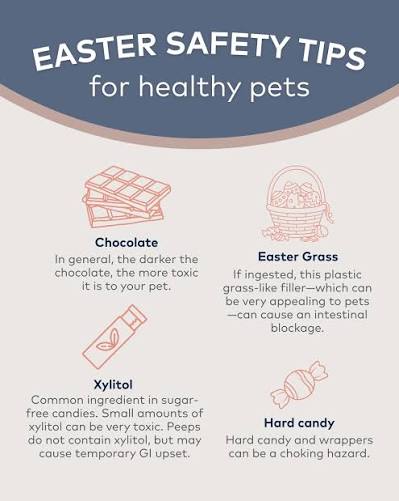
Holiday hazards deserve their own warning. I am especially cautious around chocolate, xylitol-containing products, grapes/raisins, onions, alcohol, cooked bones, string, ribbon, and foil. The risk is not only “the pet ate the treat.” It is also the wrapper, skewer, napkin, or ornament that came with it, so if you are unsure, call a veterinarian or poison resource for guidance. Cats and dogs will happily make a meal out of the packaging.
Candles, electrical cords, and live trees create a different kind of winter problem. Pets can burn themselves, knock over flames, chew cords, drink standing tree water, or swallow hooks and tinsel. If I had one winter rule, it would be this: do not leave a holiday room pet-accessible unless it is decorated as if the pet is part raccoon. That means no dangling things within reach and no edible items on low surfaces.
The honest drawback of winter prevention is that it requires friction. You have to dry paws, block rooms, clean fast, and say no to easy holiday treats, and you should ask a veterinarian if you are unsure about a food, plant, or decoration. Still cheaper than an emergency visit.
Spring Hazards: Fertilizers, Pesticides, Mushrooms, and Open Doors
Spring is the season of “finally, outside,” which means it is also the season of “they got into that before I noticed.” This is when I become most careful about yards, mulch, garden beds, and freshly treated lawns.
Fertilizers and pesticides are the big spring concern. People often assume “dry” means safe, but pets can walk through treated areas and ingest residues by licking paws later. The label matters, and so does the application method. Follow the product instructions exactly, keep pets away until the area is truly safe, and do not assume a product labeled for use around pets is harmless if it gets on skin, fur, or paws. If you use yard chemicals, store them in a locked, closed container away from pet food and toys.
Mushrooms are another spring hazard that gets underestimated. Yard mushrooms can appear after rain and mild weather, and identification is not a guessing game I would recommend. If your pet eats an unknown mushroom, treat it as a poison concern and call a veterinarian or poison resource immediately. Waiting for “symptoms” is the wrong move. The ASPCA and Pet Poison Helpline both advise treating unknown wild mushrooms as urgent exposures.
Standing water brings a quieter set of problems. Stagnant puddles can contain bacteria, algae, or chemical runoff. I would avoid letting pets drink from puddles, ditches, or unfamiliar standing water, especially after storms or in areas where lawn treatments are used.
Spring also opens the house. Screens crack. Doors stay open. Dogs learn the timing of delivery people. Cats test windows and porches. If your pet has any history of slipping out, spring is when that habit returns. I would check collars, tags, microchip registration, fence gaps, and screen integrity before the weather gets warm enough to tempt everyone into leaving things open. That little review saves a lot of grief.
Ticks and fleas return in many regions during spring, though local conditions vary. Ask your veterinarian which preventives fit your area and your pet’s health. I do not recommend winging this by “seeing what happens,” because parasites do not care that you were busy. The CDC’s pet and tick guidance is a good general reference, but local parasite pressure changes by region.
The most common spring mistake is believing that outdoor access automatically equals safety because the weather is nicer. The opposite is often true. A pet that spent winter indoors may now be more curious, more bored, and more likely to sample the first appealing thing on the ground.
Summer Hazards: Heat Stroke, Hot Surfaces, Water, and Barbecue Food

Summer is the season where pet hazards become visible, then still get ignored. Heat is the headline risk, and it deserves that attention.
Heat stroke can develop fast, especially in humid weather, cars, sun-exposed patios, and poorly ventilated spaces. I am blunt about this: a parked car is not a safe waiting room for any pet, even for a few minutes on a mild day. The AVMA and CDC both warn against leaving pets in vehicles because temperatures can rise quickly, often by more than 20°F in 10 minutes. If a pet must travel, plan the trip so the pet is never left alone in the vehicle. If you are unsure whether the environment is too hot, assume it is.
Hot pavement is another underappreciated problem. Asphalt and concrete can burn paws long before the air feels unbearable. If I cannot comfortably hold my hand on the surface, I would not expect a pet to tolerate it for long. Walk early or late, choose shade, and shorten outings when the ground is hot.
Brachycephalic dogs, thick-coated breeds, older pets, overweight pets, and animals with heart or respiratory disease need extra caution in summer. Some pets simply cannot cool efficiently. A pet that is panting hard, drooling, weak, stumbling, or seems mentally dull needs immediate attention. Heat stroke is a medical emergency; do not try to “sleep it off.” Cool and call a veterinarian quickly.
Water hazards deserve more respect than they get. Pools bring chlorine and drowning risk. Lakes and rivers bring currents, blue-green algae in some areas, and the possibility that a tired pet cannot safely return to shore. Even a good swimmer can overdo it. Life jackets are sensible for boating or weak swimmers, but they are not a substitute for supervision. After swimming, rinse off chlorine, salt, or lake residue if your veterinarian says it is appropriate for your pet’s skin and coat.
Grills and cookouts create a cluster of hazards: cooked bones, skewers, corn cobs, onions, grease, alcohol, chocolate desserts, and trash left within reach. Pets can become sick from scraps, and they can also get burned by hot grills or pans. I keep pets out of the cooking zone altogether. A leash or gated area is safer than “they’ll probably stay away.” Hope is not a safety barrier.
Insect stings, bee nests, and some plants also show up more in summer. A mild local swelling may be manageable, but facial swelling, hives, vomiting, trouble breathing, or collapse are emergency signs. If your pet has a known sting allergy or a previous severe reaction, talk with your veterinarian about a plan before summer peaks.
Summer is where people make the most predictable error: they overestimate how much a pet can “tough it out.” I would rather end a walk early than spend a night at the emergency clinic. That math stops working fast.
Fall Hazards: Mushrooms, Rodent Baits, Mold, and Escaping Pets
Fall hazards tend to be quieter than summer hazards, which is why they get missed. The season looks harmless. The risks are not.
Rodent control is one of the biggest fall dangers I watch for. As temperatures drop, rodenticide use often rises. That is bad enough on its own, but it also creates secondary poisoning risk if a pet eats a poisoned rodent. If you use baits, traps, or pest-control services, choose pet-safe placement and follow label directions carefully. I would never put rodent bait where a dog could reach it or where a curious cat could investigate. If you suspect ingestion, call a veterinarian or poison hotline immediately. The ASPCA Animal Poison Control Center and Pet Poison Helpline both treat rodenticide exposure as urgent.
Fallen leaves, damp compost, and decaying mulch can hide mold, mushrooms, sharp sticks, and debris. Dogs that forage with their mouths are at higher risk, but cats and small pets can also get into trouble if they roam outdoor spaces or porches.
Acorns, chestnuts, and similar yard debris can cause gastrointestinal upset or obstruction in some pets. Not every pet will care, but the ones that love carrying objects around can make it a problem fast.
Fall also brings more decorating, more cords, and more visitors. Halloween is a full hazard event by itself: candy bowls, wrappers, costumes, glow sticks, fake cobwebs, door opening and closing, and the escape risk that comes with a busy front door. I keep pets away from the entry during trick-or-treat hours. Not because I’m nervous, but because the front door is a bad place to ask a pet to make good choices.
Noise matters too. Fireworks may be more associated with summer, but fall events and local celebrations can still trigger panic, hiding, escape attempts, and injury. A pet that bolts once can become a repeat escape artist if you do not lock down the environment.
The fall mistake I see most often is thinking the season is “calmer.” It is only calmer if you already removed the obvious hazards.
The Honest Side-by-Side
The cleanest way to prevent seasonal pet hazards is not to memorize every toxin. It is to decide whether your default mode will be controlled environment or casual access. Controlled environment wins for safety. Casual access wins for convenience. That trade-off shows up in almost every season.
| Criteria | Controlled environment | Casual access | Winner for this condition |
|---|---|---|---|
| Poison exposure | Lower, because food, plants, chemicals, and decorations are out of reach | Higher, especially with guests, yard products, and seasonal foods | Controlled environment when your pet is food-motivated or curious |
| Heat and cold safety | Easier to manage with timing, shade, ventilation, and indoor rest | Harder to control, especially on walks, patios, and in cars | Controlled environment for pets with medical risk |
| Holiday and event stress | Lower noise, fewer door dashes, fewer disruptions | More chaos, more guests, more escape chances | Controlled environment for anxious pets |
| Exercise and enrichment | Requires planning, but can still be strong | Feels easy, but often becomes unstructured and unsafe | Casual access only if the area is truly secure |
| Paw and skin irritation | Lower when you avoid treated ground and wipe after exposure | Higher with salt, fertilizers, allergens, and debris | Controlled environment in winter and spring |
| Escape risk | Lower when doors, screens, gates, and tags are checked | Higher around visitors, deliveries, and open windows | Controlled environment during holidays and events |
| Owner effort | More prep, more cleanup, more rules | Less prep, but more chance of emergency response | Controlled environment if you want fewer surprises |
| Best fit | Puppies, kittens, seniors, escape-prone pets, pets with illness | Mentally steady pets in secure, low-risk settings | Controlled environment for most homes with seasonal risk |
My position is simple: controlled environment is the safer default, and casual access should be earned by a secure space, not assumed because the season feels mild. That does not mean pets need to live in a bubble. It means the environment should absorb the seasonal risk before your pet can reach it. A fence, a gate, a closed door — those are ordinary tools, but they matter.
The downside of controlled living is that it takes work. You have to close doors, clean spills, gate rooms, change routes, and supervise more closely. The downside of casual access is more serious: a single lapse can turn seasonal risk into a medical emergency.
Which seasonal pet hazards matter most?
If you want the shortest possible answer, the biggest seasonal pet hazards are the ones that combine easy access with fast harm. Heat, antifreeze, rodenticides, mushrooms, holiday foods, and escape routes do that