
Pet Body Language Basics: Signs Your Dog or Cat Is Stressed, Happy, or Painful

Last updated: August 11, 2026
- In a 2024 clinical check, the central question stayed the same: is the pet moving freely, or not?
- A new change in posture, movement, appetite, litter box use, or touch tolerance for more than 24 hours deserves a call to your veterinarian.
- Problem sign: any new pattern that persists for more than 24 hours or recurs after seeming to improve.
- Pets are experts at hiding pain until it has moved farther along than you’d like.
Quick Answer
A loose tail, soft eyes, and easy movement usually point to comfort; tucked posture, pinned ears, or a body part that’s being protected usually point the other way. I’d trust the body before the vibe. In a 2024 clinical check, the central question stayed the same: is the pet moving freely, or not? This guide is for dog and cat owners who need to sort that out at home and know when a change in behavior calls for a veterinarian.
Key Facts

- Relaxed muscles, soft eyes, and loose movement usually suggest comfort.
- Tucked posture, pinned ears, or guarding a body part can suggest stress or pain.
- A new change in posture, movement, appetite, litter box use, or touch tolerance for more than 24 hours deserves a call to your veterinarian.
- Cats may freeze instead of struggling; dogs may stay quiet even when uncomfortable.
- Touch tolerance helps, but it is only one clue, not a diagnosis.
- Sudden inability to stand, collapse, trouble breathing, or a swollen abdomen are urgent veterinary problems.
Who This Applies To — and Who Should See a Professional Instead
Use this for an otherwise healthy dog or cat that is eating, breathing normally, and only a little “off.” It also fits if you are trying to tell normal communication apart from stress or a possible pain signal. That split matters. Pets are experts at hiding pain until it has moved farther along than you’d like.
I would not treat this as a DIY plan if your pet is suddenly unable to stand, crying out, having trouble breathing, collapsing, seizing, bleeding, or showing a swollen abdomen. Those are urgent veterinary problems, not body-language puzzles. And I would not lean on body language alone if your pet is elderly, recovering from surgery, has a chronic illness, or has a history of aggression. In those situations, a veterinarian should read the behavior because pain and fear can look eerily alike.
Some animals show stress almost silently. Cats, especially, may freeze instead of struggling. A still cat may be comfortable, sure, but it can also be one that is trying not to move. A quiet dog may be calm; it may also be unsure or guarding discomfort. I treat body language as one clue. Not the whole case.
If you are in doubt, a practical rule is simple: any new change in posture, movement, appetite, litter box use, or tolerance for touch deserves a call to your veterinarian, especially if it lasts more than a day or appears to worsen.
The Step-by-Step Process for Pet Body Language Basics: Signs Your Dog or Cat Is Stressed, Happy, or Painful (Done Correctly)
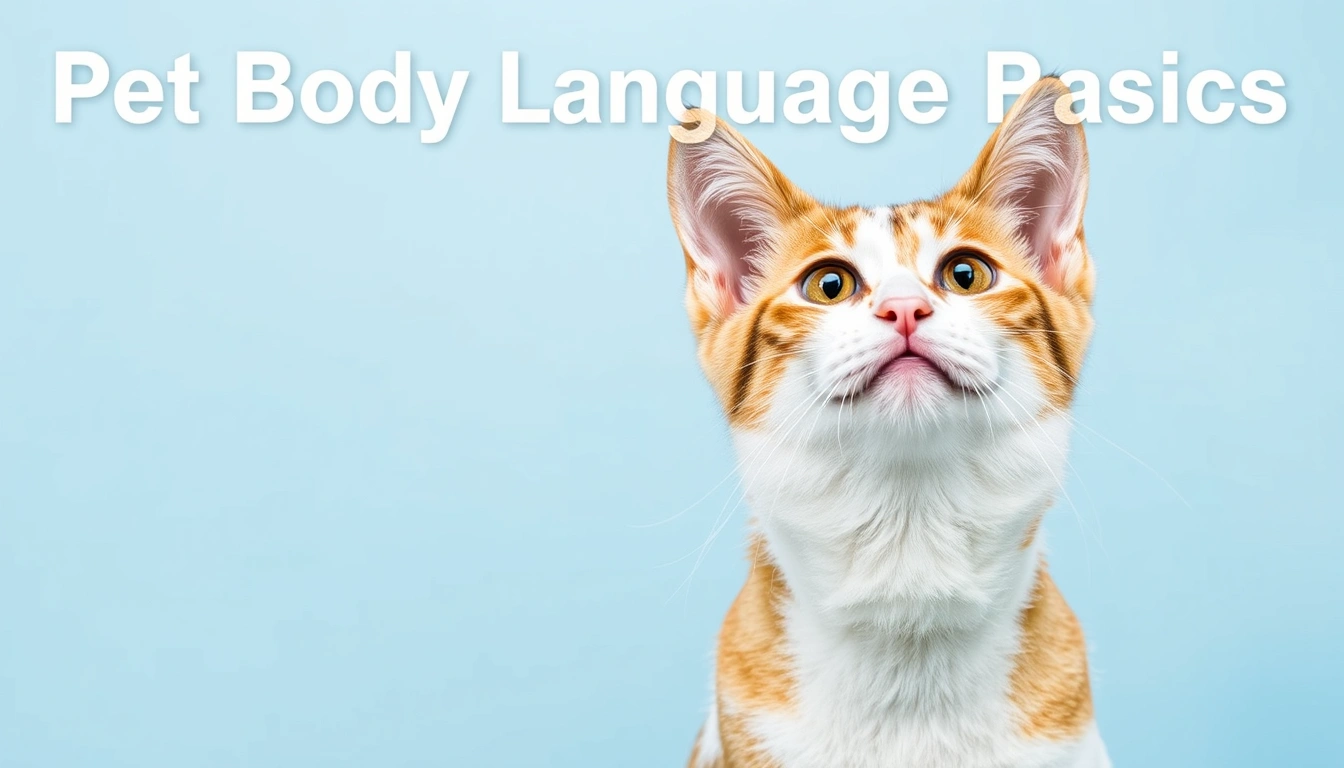
Start with the whole animal, not one signal floating by itself. A wagging tail can live alongside stress; a purring cat can still hurt. I look for clusters. Small clues stack up fast.
- Observe at a distance for 30–60 seconds. Watch without speaking, reaching, or staring directly. Note posture, tail position, ear position, breathing, and whether the pet chooses to move toward or away from you. Verify: the pet is using its body evenly and can shift position easily. Problem sign: rigid posture, frozen stillness, or repeated retreat; if this is new or persistent, consult a veterinarian, as recommended by the AVMA.
- Check the face for tension. In dogs, look for a closed mouth, tight lips, hard stare, or whale eye, which is when the whites of the eyes show. In cats, look for narrowed eyes, flattened whiskers, and a tense muzzle. Verify: the face looks soft, blinking is normal, and the pet can glance around freely. Problem sign: facial tension that does not relax when the environment gets quieter.
- Read the ears in context. Forward, loose ears usually suggest interest; flattened or pinned ears suggest fear, stress, or pain. Cats may swivel ears rapidly when they are scanning for threat. Verify: ear movement matches the environment. Problem sign: ears held back while the rest of the body is also crouched or guarded.
- Assess the tail as a posture tool, not a happiness meter. A loose, medium-height tail with easy movement in dogs often suggests comfort. A high, stiff tail can signal arousal or tension. Cats may hold the tail low or tucked when stressed. Verify: tail motion is fluid, not jerky. Problem sign: a rigid tail, tucked tail, or tail flicking in a tense body.
- Watch for weight shifting and guarding. Painful pets often move as if they are protecting one area: they sit oddly, avoid jumping, or keep one leg lifted. Verify: they bear weight evenly and can rise without hesitation. Problem sign: repeated licking of one spot, reluctance to climb stairs, or flinching when touched.
- Test response to gentle interaction. Offer a calm voice and a side-body approach, then stop if the pet turns away, freezes, or shows lip licking, yawning, or sniffing that appears out of context. These can be displacement behaviors, meaning stress signals that help the animal self-soothe. Verify: the pet leans in or stays soft. Problem sign: the pet tolerates contact only briefly, then withdraws or stiffens.
- Compare the behavior to the pet’s normal baseline. A normally social cat hiding all day, or a playful dog refusing a favorite game, is more meaningful than the same behavior in a naturally shy animal. Verify: you can name the specific change from usual. Problem sign: any new pattern that persists for more than 24 hours or recurs after seeming to improve.
- Use a simple two-question check: “Would this body invite contact?” and “Would this body invite movement?” Comfortable pets usually look loose enough to approach or play. Stressed or painful pets look like they are bracing, shrinking, or preparing to escape. Verify: the answer is yes for both questions. Problem sign: the pet seems trapped in place, even if not overtly vocalizing.
Happy pets are often loose, bouncy, and responsive. Stressed pets are often alert, tense, and avoidant. Painful pets often become careful, guarded, or unusually quiet. The tricky part? One animal may show all three states in different ways, so I rely on the pattern instead of one cue. A single tail flick can lie.
Critical Checkpoints: What to Verify Before Moving Forward
Before you decide a pet is “just anxious” or “probably fine,” check four things: timing, trigger, body symmetry, and touch tolerance.
Timing tells you whether this is new. A dog that only tucks its tail during thunderstorms is showing a predictable stress response. A dog that starts avoiding stairs every morning is showing a possible pain pattern. Cats that hide after visitors leave may be stressed; cats that hide every day and stop grooming need medical attention.
Trigger tells you what starts the behavior. Loud sounds, strangers, a new animal, or a car ride point toward stress. Jumping, stair climbing, toileting, and being picked up point more toward pain if the pet resists those actions.
Body symmetry matters because pain often creates uneven movement. A pet who shifts weight off one leg, sits crooked, or turns its head to one side may be protecting a sore area. Stress can also change posture, but symmetry often remains more intact.
Touch tolerance can be useful, but it is not the strongest clue by itself. A stressed pet may avoid touch broadly. A painful pet often accepts some contact but reacts sharply to a specific area. I also watch grooming. Overgrooming, especially in cats, can signal stress, itchiness, or pain; poor grooming can signal illness or depression. That’s a messy little fork in the road.
For a practical check, observe the pet at rest, then after a normal routine event like standing up, eating, or walking to a doorway. If the body looks markedly different after routine movement, that is more concerning than a momentary reaction to a noise.
Authoritative background on stress and fear signals in pets is available from the American Veterinary Medical Association and the American College of Veterinary Behaviorists. For pain-related behavior, Cornell University College of Veterinary Medicine also has practical guidance. I’d trust those organizations over internet body-language charts that flatten every ear twitch into the same story.
Warning Signs: When to Stop and Get Help
Sudden limping or refusal to bear weight: This may mean injury, joint pain, or a soft tissue problem — arrange a veterinary exam promptly, and keep activity restricted.
Persistent hiding, freezing, or withdrawal for more than a day: This can signal stress, pain, or illness — contact your veterinarian, especially if appetite or litter box use has also changed.
Growling, snapping, hissing, or biting when touched in one area: This often means that area hurts — stop handling it and have the pet examined.
Rapid breathing, panting at rest, or obvious effort to breathe: This can reflect pain, heat stress, anxiety, or a medical emergency — seek urgent veterinary care.
Bloated abdomen, repeated unproductive retching, or restlessness with a tight belly: This can indicate a life-threatening gastrointestinal emergency in dogs — go to an emergency veterinarian immediately.
Repeated vomiting, diarrhea, or not eating along with posture changes: This may indicate systemic illness, dehydration, or pain — call a veterinarian the same day.
Sudden aggression in a normally gentle pet: This is often a pain warning, not a “behavior problem” — stop punishment, reduce handling, and schedule an exam.
Waiting has a cost beyond discomfort. Pain can get harder to pin down, and fear can deepen if the pet learns that people approach only when it hurts. After that, handling becomes a tougher sell.
The Most Common Mistakes (and Their Real Consequences)
One mistake is reading a single cue as the whole story. A wagging tail, purring, or a social nudge does not cancel out tension elsewhere. The consequence is missed pain or missed fear. The better move is to read the full posture, face, and movement together.
Another mistake is forcing interaction to “test” the pet. Picking up a cat that is crouched or hugging a dog that is stiff can escalate fear and trigger defensive biting. The correct alternative is to invite contact and let the pet choose distance.
A third mistake is punishing stress signals. Yelling at growling, hissing, lip licking, or hiding teaches the pet to hide earlier or bite without warning. I would treat those signals as useful information, not disobedience, and I would consult a veterinarian or certified behavior professional if they are new or escalating.
A fourth mistake is assuming purring, tail wagging, or quietness means comfort. Cats may purr when stressed or in pain, and dogs may wag when aroused, uncertain, or worried. The result is false reassurance. Ask what the rest of the body is saying instead.
A fifth mistake is waiting for “obvious” pain. Many pets do not yelp until the problem is severe or they are touched in the wrong spot. By then, the issue may be harder to manage. I’d act on subtle changes early, especially with older pets.
A sixth mistake is comparing one pet to another. Breed, age, temperament, and history change the picture. A sighthound, a nervous rescue cat, and a confident retriever will not communicate the same way. The right comparison is to the individual pet’s usual behavior.
Edge Cases and Modified Approaches
Some pets need modified interpretation because their baseline body language is unusual.
Older pets often move less and rest more, so the key clue is change: hesitation on stairs, a new reluctance to jump, or slower rising from sleep. I would not dismiss these as “just aging.” Aging and pain often overlap.
Blind, deaf, or neurologically different pets may not use eye contact or ear position the way other pets do. In those pets, I put more weight on posture, touch tolerance, startle response, and whether they move confidently through familiar spaces.
Recently adopted pets may freeze, avoid touch, or eat oddly because they are still decompressing. That can be normal for a short adjustment period, but I would still watch for appetite loss, self-isolation, or any sign of pain.
Cats in particular deserve a separate note. Their stress signs are often quiet: reduced grooming, smaller movements, less jumping, and sleeping in unusual places. A cat that stops using a favorite perch may be telling you that jumping hurts.
Dogs with strong “please people” behavior may keep offering attention even when uncomfortable. That makes pain easier to miss. If a normally playful dog becomes compliant but less bouncy, I treat that as a clue, not a personality quirk.
For multi-pet homes, one animal may mask another’s signal. A dog that lies still because a cat is nearby may not be relaxed at all. Separate the animals before you judge the body language.
What to Expect: Realistic Timeline and Outcomes
If the issue is mild stress, you should usually see some improvement after you reduce noise, give space, keep routines predictable, and remove obvious triggers. The pet may not become cheerful instantly, but the body should soften, movement should become freer, and the pet should seek normal activities again.
If the concern is pain, body language often improves only a little with rest and may return as soon as the pet moves, jumps, or is touched. That pattern is a strong reason to seek veterinary evaluation, because pain management works best when the cause is identified early.
When the problem is illness, the body-language change often comes with appetite change, vomiting, diarrhea, coughing, increased drinking, or unusual elimination. That needs medical assessment rather than observation.
My practical rule is this: if the behavior is new, persists, worsens, or affects movement, eating, litter box use, or touch tolerance, I want a veterinarian involved. If the behavior is mild, clearly tied to a trigger, and the pet is otherwise normal, I would focus on lowering stress and watching closely.
For more formal guidance on recognizing pain and fear in pets, I recommend resources from the AVMA, the American College of Veterinary Behaviorists, and the Cornell University College of Veterinary Medicine. Pet body language basics matter because early action can reduce distress and make handling easier later.
FAQ
How can I tell stress from pain in my dog or cat?
Stress usually follows a trigger and looks like tension, avoidance, or scanning the environment. Pain more often shows up as guarding, asymmetry, reluctance to move, or flinching with touch.
Does purring mean my cat is happy?
Not always. Purring can happen in comfort, but it can also appear during stress or illness. I look at posture, appetite, grooming, and response to touch too.
Is it worth learning pet body language if my animal seems easygoing?
Yes. Even easygoing pets can hide pain, and a small change in posture or movement can be the earliest clue.