Last updated: August 11, 2026
- – Should appetite, drinking, energy, or sleep change for more than 1-2 days, consult your veterinarian.
- A cat who plays for 5 minutes, rests, then plays again later is still getting useful movement.
- By Day 90, the routine should feel automatic enough that you notice when it breaks.
- When your dog finishes breakfast but leaves dinner untouched for 2 days, or your cat starts acting ravenous and then stops, that change deserves attention.
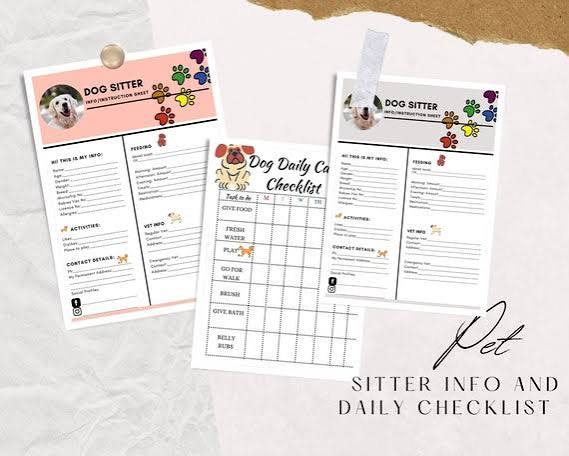
A pet that skips breakfast, drinks oddly, or won’t settle can be telling you something early. That is why a daily checklist for a healthy dog or cat: food, water, exercise, rest is worth having before trouble starts. Use the same basic framework for dogs and cats, even though the details aren’t identical; those four pieces are where routines usually fall apart first. Quick Answer: for most healthy adult dogs and cats, use a 4-point daily checklist and review it morning and night.
I’m the sort of person who likes a system because pets do, too. It doesn’t need bells and whistles. Honestly, simple is better here. The trick is making it specific enough that you can keep it going on a tired Tuesday, not only on a perfect Saturday. Should your dog suddenly eat less, your cat start dodging the water bowl, or energy change for more than a day or two, call your veterinarian. A daily checklist for a healthy dog or cat: food, water, exercise, rest is for upkeep, not for replacing medical advice.
Key facts
– Track 4 things: food, water, exercise or play, and rest.
– Check food and water at least twice a day.
– For cats, use short play bursts; for dogs, use one daily movement session.
– Should appetite, drinking, energy, or sleep change for more than 1-2 days, consult your veterinarian.
– Use measured portions and a consistent schedule.
The 4-Point Daily Checklist I’d Start With
Keep it short. That’s the whole point. I’d want something I can use every day and still catch problems early; for most healthy adult pets, I’d check four items morning and night: food, water, exercise, and rest. Trying to watch 20 things usually means watching none of them.
Here’s the version I’d use for a dog or cat in a normal home:
- Food: ate the planned meal amount, no missed meals, no repeated begging or vomiting
- Water: fresh water available, bowl checked at least twice a day, normal drinking pattern
- Exercise or play: at least one active session every day, adjusted for age and species
- Rest: normal sleep, no pacing, no repeated night waking, no trouble settling
For cats, “exercise” often looks like bursts of play, climbing, stalking toys, or quick chase sessions. Dogs usually need walks, sniff time, fetch, training drills, or free movement in a safe space.
A plain paper list works fine. So do a notes app, a spreadsheet, or a pet care app like PetDesk or 11pets if you already use one. I would not pick software just because it looks fancy. Use the one you’ll actually open daily. Otherwise, it’s just digital wallpaper.
| Metric | Before | After | Change | Timeline |
|---|---|---|---|---|
| Daily food tracking | Inconsistent | Logged every meal | More consistent routine | Week 1 |
| Water checks | Once a day | Twice a day | Better visibility | Week 1 |
| Exercise/play sessions | 3-4 days/week | 7 days/week | Daily movement | By Day 14 |
| Rest schedule | Variable | Fixed sleep cues | Easier settling | By Day 21 |
The biggest payoff from a checklist is not “perfect health.” It’s catching drift before it becomes a real problem. A pet that starts skipping breakfast, drinking less, or sleeping more than usual gives you a clue before things get serious.
Food: The Part Most People Think Is Simple
Food looks easy until you try to keep it steady. The daily question isn’t “Did my pet eat?” It’s “Did my pet eat the right amount, at the right time, without a sudden shift?”
For a healthy adult pet, I’d keep mealtimes regular. That matters more than many people expect. Dogs and cats tend to do better when the body knows when food is coming. Switching brands without warning, adding table scraps, or piling on treats can make the whole day harder to read, so consult your veterinarian before changing the plan if your pet is sensitive or has a medical condition, and see the WSAVA Global Nutrition Committee guidance and the AAHA nutrition resources.
My food checklist is straightforward:
- Serve the planned portion.
- Watch whether the bowl is emptied normally.
- Note any vomiting, loose stool, coughing during meals, or food refusal.
- Keep treats from pushing the total intake too high; if you are unsure about portioning or weight goals, consult your veterinarian.
There’s a trade-off here: a tight feeding routine can feel less flexible for people. That’s real. When your schedule changes a lot, you may need a timed feeder for cats or a measured food container for dogs so the routine doesn’t depend on memory. I’d rather use a simple kitchen scoop or a marked measuring cup than guess by eye. Eyeballing it is a gamble.
One thing I would not do is treat appetite alone as proof of good health. Some pets eat eagerly even when something is off. The pattern matters. When your dog finishes breakfast but leaves dinner untouched for 2 days, or your cat starts acting ravenous and then stops, that change deserves attention.
Food checkpoint I’d use daily:
– meal offered on schedule
– full portion measured
– no sudden change in appetite
– no repeated stomach upset
– treats kept within a sensible limit, and if you are unsure, consult your veterinarian
If your pet has diabetes, kidney disease, food allergies, or a weight issue, your veterinarian’s feeding plan should override any generic checklist. For nutrition standards, I’d trust guidance from the WSAVA Global Nutrition Committee and the American Animal Hospital Association (AAHA) over social media advice.
Water: The Quiet Habit That Gets Missed
Water is easy to overlook because you can’t always tell by looking whether your pet drank enough. That’s especially true for cats, who often drink in short, hidden bursts and may prefer moving water. Dogs are usually easier to observe, but outdoor time, heat, and activity can change what “enough” looks like fast.
My daily water routine is simple:
– refresh the bowl at least once a day
– wash the bowl regularly so slime or debris does not build up
– check for a sudden drop in drinking
– place water where the pet actually uses it
Cats often do better with more than one water station. I’d put one near a favorite resting area and another away from the litter box. Some cats like a fountain because the sound and movement pull them in. Others couldn’t care less. The downside is maintenance: if you do not clean it, the fountain becomes more hassle than help.
Dogs need water access after walks, training, and warm weather. I would not force huge drinks at once, especially right after hard activity. Small, steady access is the safer habit.
A useful daily note is not “drank a lot” but “drank normally for this pet.” That makes changes easier to spot. A pet who suddenly stops using the bowl, starts drinking from faucets, or empties the dish unusually fast may be signaling a problem.
| Metric | Before | After | Change | Timeline |
|---|---|---|---|---|
| Water bowl cleaning | Irregular | Daily rinse | Cleaner bowl habit | Week 1 |
| Water station count | 1 | 2 for cat, 1-2 for dog | Better access | Week 2 |
| Drinking observation | Not tracked | Logged daily | Easier pattern spotting | Month 1 |
| Water-related worry | High | Lower | Fewer missed cues | By Day 30 |
If you want a source on hydration basics and warning signs, I’d look at the Merck Veterinary Manual and the American Veterinary Medical Association (AVMA). If a pet goes more than a day without normal drinking, or if you see lethargy, repeated vomiting, or weakness, consult your veterinarian.
Exercise and Play: Different for Dogs and Cats, Essential for Both
Exercise advice gets sloppy fast. Dogs and cats both need movement, but they do not need the same kind, the same length, or the same structure.
For dogs, I’d aim for at least one real movement session every day: a walk, a training walk, scent work, fetch, or a safe off-leash run if that is appropriate. The goal is not to tire the dog out. The goal is to use body and brain together. Sniffing counts. In fact, for many dogs, sniffing is the part that makes the walk worthwhile.
For cats, I’d build short, repeatable play into the day. Two or three short sessions often work better than one long attempt. Wand toys, toy mice, boxes, tunnels, and climbing spaces all help. A cat who plays for 5 minutes, rests, then plays again later is still getting useful movement.
Because of that, the biggest mistake I see is treating exercise as optional if the pet “seems fine.” That usually means the pet has adapted to boredom. Adaptation is not the same as wellbeing, so if you are unsure about age, injury risk, or fitness limits, consult your veterinarian.
Simple movement checklist:
– dog: one walk or structured activity daily
– cat: 2-3 short play sessions daily
– include mental work: sniffing, training, hunting-style play
– stop if the pet pants hard, limps, hides, or refuses activity
By Month 2, the routine should feel less like a chore and more like a cue. Pets like predictability. People do too, once the friction drops. It stops feeling like work.
| Metric | Before | After | Change | Timeline |
|---|---|---|---|---|
| Daily movement | 4 days/week | 7 days/week | More consistent activity | By Day 14 |
| Cat play sessions | 1-2/week | 14-18/month | More frequent engagement | Month 2 |
| Dog structured walks | Irregular | Daily | Routine established | Month 1 |
| Evening restlessness | More common | Less common | Easier settle-down | By Day 45 |
If your pet is older, overweight, brachycephalic, or recovering from illness, ask your veterinarian what “enough” movement should look like. A healthy routine is not the same as a hard routine.
Rest: The Thing People Underestimate Until Sleep Gets Bad
Rest is not laziness. It is recovery, and pets need a lot of it. A healthy dog or cat should be able to settle without constant interruption. When your pet paces, startles often, wakes repeatedly, or cannot relax as the house quiets down, that is worth noticing.
My rest checklist focuses on environment and pattern:
– a quiet place to sleep
– no constant interruptions during rest time
– consistent bedtime cues
– normal ability to settle after activity
– no sudden increase in sleeping or restlessness
Cats often sleep in many short stretches. Dogs may sleep deeply after activity, then wake when the household changes. That variation is normal. What is not normal is a sharp shift from one pattern to another without a clear reason.
I would keep bedtime boring and predictable. Dim the lights, reduce noise, and avoid revving the pet up right before sleep. For some dogs, a final potty break and short calm walk help. For some cats, a play session followed by food and quiet time fits the natural hunt-eat-groom-sleep rhythm.
The drawback of protecting rest is that it sometimes means changing human habits. When the dog sleeps near the kitchen and the family stays up late banging around, that can matter. If the cat’s bed is in a high-traffic hallway, that can matter too. Rest is not only about the pet’s behavior. It is also about the room layout.
What Went Wrong When I Tried to Keep the Routine Too Loose
The first version of any checklist usually fails for one boring reason: it is too vague. Mine would fail that way too if I let it. “Feed the pet,” “give water,” and “exercise daily” sound complete, but they hide the details that make the routine work.
The failure I’d expect most is inconsistency around timing. When food happens at 7 a.m. one day, 11 a.m. the next, and “whenever I remember” on weekends, the whole pattern becomes harder to read. The pet may act hungrier, more restless, or more demanding, and I would no longer know whether that was behavior or schedule.
The cost of that looseness is practical, not dramatic at first. You miss early signals. You top off the water bowl without noticing that the pet is drinking less. You assume the dog is sleepy when he is actually under-exercised. You think the cat is “just being a cat” when he is sleeping more because something is off.
| Metric | Before | After | Change | Timeline |
|---|---|---|---|---|
| Feeding time consistency | Variable | Same window daily | Fewer missed cues | Week 1-2 |
| Water bowl attention | Passive | Checked twice daily | Better monitoring | Week 2 |
| Exercise timing | Random | Scheduled | Less confusion | Month 1 |
| Rest disruptions | Frequent | Reduced | Calmer evenings | By Day 60 |
The fix is not perfection. Narrow the routine instead. I would choose one food window, one water check before bed, one movement slot, and one quiet rest cue. That is enough to make patterns visible.
A Realistic 30-Day Routine You Can Actually Keep
When I were building this from scratch, I would not start with a giant lifestyle overhaul. I’d use a 30-day rollout.
Week 1: Set meal times, refresh water twice daily, and begin a basic log. Don’t change food brands unless your veterinarian tells you to.
Week 2: Add one daily movement session for the dog or two short play sessions for the cat. Keep the timing close to the same each day.
Week 3: Adjust the environment. Add a second water bowl, swap in a fountain if your cat prefers it, or move the dog’s walk earlier.
Week 4: Review the notes. Look for repeated changes in appetite, drinking, activity, or sleep.
By Day 90, the routine should feel automatic enough that you notice when it breaks. That is the point.
| Metric | Before | After | Change | Timeline |
|---|---|---|---|---|
| Daily checklist use | Ad hoc | 30 straight days | Habit formed | Month 1 |
| Missed meals caught | Rare | Faster recognition | Better awareness | By Day 30 |
| Water refills | Inconsistent | Consistent | Steadier access | By Day 30 |
| Exercise/play compliance | Low | Higher | More routine movement | By Day 90 |
FAQ
How often should I check my dog or cat’s water?
I would check at least twice a day, and more often in hot weather or if your pet is active.
Is play enough exercise for a cat?
Often, yes, if the play is active and repeated daily. Two or three short sessions usually beat one long attempt.
What if my pet skips one meal?
A single missed meal is not always an emergency, but repeated refusal, vomiting, weakness, or behavior changes should be discussed with your veterinarian promptly.