Last updated: August 11, 2026
Quick Answer: How much water should a dog or cat drink each day? For a healthy dog or cat, a good starting estimate is about 1 ounce of water per pound of body weight per day—so a 10-pound pet often begins around 10 ounces daily. Not a diagnosis. Just a baseline. Diet, heat, activity, age, and medical problems all shift the number. And when your pet suddenly drinks far more or far less than usual, that change matters more than the exact target. For authoritative guidance, see the Merck Veterinary Manual and the WSAVA hydration resources.
Key Facts / Key Takeaways
– How much water should a dog or cat drink each day? For many healthy pets, a practical home estimate is about 1 oz per lb per day.
– Total daily intake includes bowl water, fountain water, and water in food.
– Wet food can reduce bowl drinking; dry food usually increases it.
– A sustained change over 2 to 3 days is more important than one odd day.
– Drinking more plus urinating more, or drinking less plus lethargy, can signal illness.
– For a puppy or kitten, pregnant or nursing pet, very old pet, or one with kidney, urinary, endocrine, or heart disease, consult a veterinarian.
A healthy dog or cat should usually drink about 1 ounce of water per pound of body weight per day. But that figure is only a starting point for how much water should a dog or cat drink each day? Diet, heat, activity, age, and medical conditions all change the picture. When your pet suddenly drinks much more or much less than usual, that matters more than the exact daily target.
Who This Applies To — and Who Should See a Professional Instead
This guide is for generally healthy adult dogs and cats whose drinking habits you want to sanity-check at home. It also helps when you’ve noticed a slow change in water use and want to know what counts as normal versus worth watching.
I would not treat this as a DIY problem if your pet is a puppy or kitten, pregnant or nursing, very old, recovering from surgery, on prescription medication that affects thirst, or has a known kidney, urinary, endocrine, or heart problem. Those situations can change water needs a lot, so consult a veterinarian for tailored guidance. A pet that is vomiting, has diarrhea, won’t eat, seems weak, or cannot keep water down needs veterinary input right away.
Also, the simple “ounces per pound” rule has limits. A cat on canned food may drink very little and still be well hydrated. A dog eating dry kibble on a hot day may drink quite a bit more than the rule suggests and still be fine. The real question is not only “How much did they drink?” It is “Does the amount fit their body, diet, and behavior, and has it changed?”
For a medical issue such as diabetes mellitus, chronic kidney disease, Cushing’s disease, a urinary blockage history, or a heart condition, use your veterinarian’s guidance rather than a home formula. Those cases deserve a tailored plan.
The Step-by-Step Process for How Much Water Should a Dog or Cat Drink Each Day? (Done Correctly)

- Weigh your pet accurately. Use a home scale for small pets or a veterinary scale for larger ones, and record weight in pounds or kilograms. Confirm: you know whether the pet is under 10 lb, 10 to 50 lb, or larger, because measurement error matters more in small animals. Problem signal: if weight is changing quickly, the water estimate may be misleading and the pet may need an exam.
- Start with a daily baseline of about 1 fluid ounce per pound of body weight. That is a practical home estimate for many healthy dogs and cats, though it is not a hard rule. A 10-pound pet would therefore start around 10 ounces per day. Check: this is total daily intake from bowls, fountains, and added water in food, not just what disappears from the bowl. Problem signal: if intake is far outside the usual range for that pet, do not assume it is harmless.
- Adjust for diet. Canned or fresh food already contains a lot of water; dry kibble contains much less. If the pet eats mostly wet food, it may naturally drink less from the bowl. Confirm: compare intake with the food type, not against another pet on a different diet. Problem signal: a wet-food cat that suddenly starts gulping from the bowl may be showing increased thirst, not “just making up for dinner.”
- Measure actual intake for 2 to 3 days. Fill the bowl with a measured amount, note the starting volume, and subtract what remains after 24 hours. Refill as needed and repeat at the same time each day. Check: you are accounting for spills, multiple bowls, fountains, and water shared with other pets. Problem signal: if you cannot tell how much was actually consumed because water is splashed everywhere, the measurement is not reliable.
- Check urine output and behavior at the same time. Normal hydration usually goes with normal urination, energy, appetite, and gum moisture. Confirm: the pet is urinating a familiar amount and does not seem lethargic, painful, or unusually restless. Problem signal: drinking more plus urinating more can point toward endocrine or kidney disease; drinking less plus lethargy can point toward dehydration or another illness.
- Account for heat, exercise, and stress. Hot weather, long walks, intense play, panting, and environmental stress can all raise water needs. Confirm: higher intake matches a clear reason and settles when the cause settles. Problem signal: unexplained increased thirst is a medical red flag, even if the pet still seems cheerful.
- Watch for intake that is persistently high or low relative to the pet’s usual baseline. A one-day oddity is less useful than a pattern over several days. Confirm: you are looking for a change from your own pet’s normal habits, not another animal’s habits. Problem signal: a sustained change lasting more than a couple of days, especially with other symptoms, deserves veterinary evaluation.
- Offer water in a way the pet will actually use. Use clean bowls, keep multiple bowls in a multi-pet home, and place them away from food or litter if that improves use. Confirm: the pet can reach water comfortably and without competition. Problem signal: a pet that avoids the bowl, guards it, or seems hesitant to approach may have pain, anxiety, or access problems.
Critical Checkpoints: What to Verify Before Moving Forward
Before you decide “this is normal,” I would check four things.
First, species and food type. Cats often drink less than dogs, and cats on wet food may barely touch a water bowl. Dogs on dry food usually drink more. The same ounce count means different things depending on what is in the bowl or dish at mealtime.
Second, the trend. A pet that has always been a big drinker may simply be naturally thirsty. A pet that used to drink sparingly and now raids the bowl is different. The change matters more than the raw volume.
Third, the environmental conditions. Warm rooms, heating systems, heavy exercise, and travel can all shift intake. So can household changes that make a pet anxious. Because of that, stress can change both drinking and urination.
Fourth, the body language. Healthy hydration is not just about liters or ounces. I want normal gums, normal energy, steady appetite, and comfortable urination. If those are off, the number in the bowl tells only part of the story.
A useful clinical term here is polydipsia, which means increased thirst, and polyuria, which means increased urination. Those two often travel together in diabetes, kidney disease, and some hormone disorders. When you see both, I would not spend days trying to “normalize” intake at home. That is a vet visit.
Warning Signs: When to Stop and Get Help
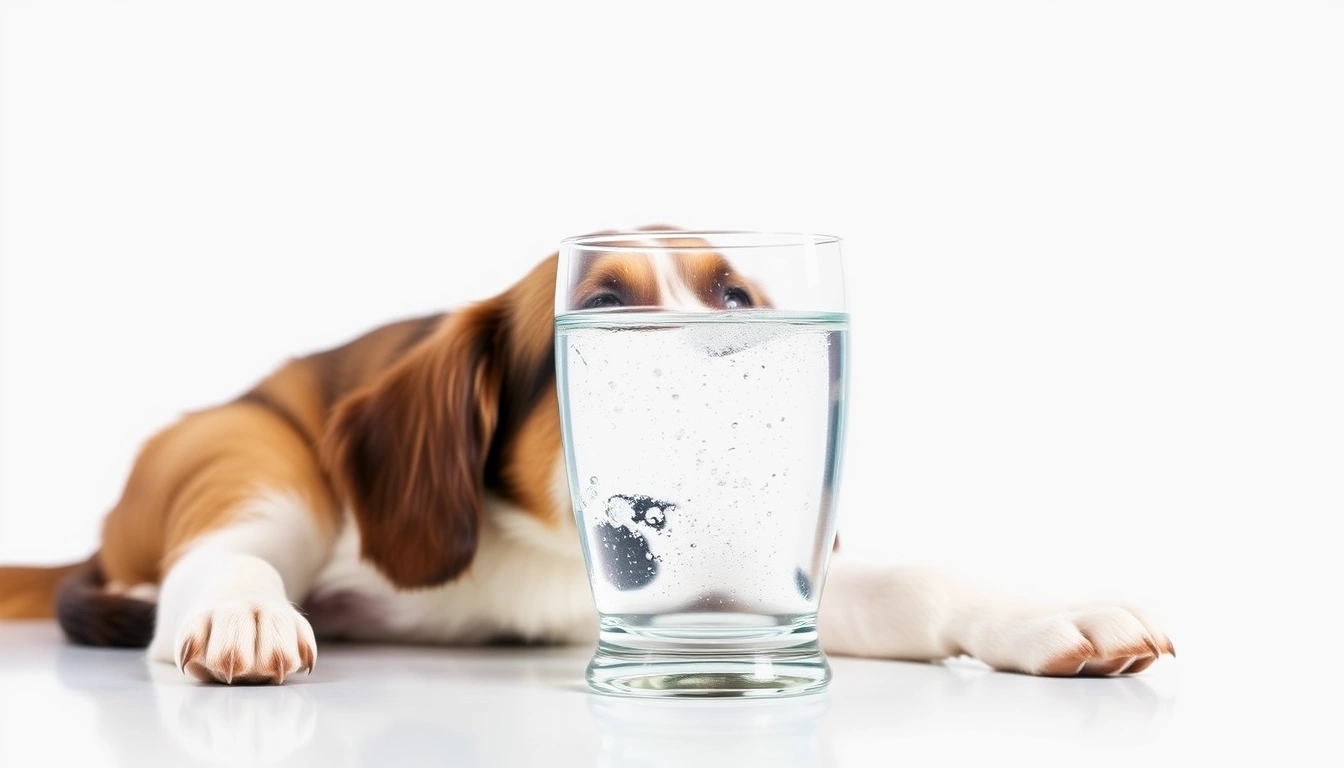
Sudden increase in thirst: When your dog or cat starts drinking much more than usual over a short period, it can signal diabetes, kidney disease, or another metabolic problem — schedule a veterinary exam soon.
Sudden decrease in drinking: Refusing water or barely touching the bowl can lead to dehydration fast, especially in cats — contact a veterinarian the same day if the change is marked or persistent.
Vomiting or diarrhea: Fluid losses can outpace intake quickly — seek veterinary care if this continues, because dehydration can become an emergency.
Drinking plus frequent urination: This pattern often points to polyuria and polydipsia, not “healthy thirst” — ask for bloodwork and a urine test.
Straining to urinate, crying in the box, or frequent litter box trips: These may indicate a urinary blockage, infection, or pain, so consult a veterinarian promptly — treat this as urgent, especially in male cats.
Lethargy, collapse, or weakness: These are not normal hydration issues; they can reflect systemic illness or severe dehydration — go to urgent veterinary care.
The Most Common Mistakes (and Their Real Consequences)
The biggest mistake is treating the ounce-per-pound rule as a diagnosis. It is only a rough guide, so consult a veterinarian when the pattern changes or symptoms appear. The consequence is missing early kidney, endocrine, or urinary disease. The better alternative is to compare intake against your pet’s own normal pattern and symptoms.
Another mistake is counting only bowl water. Water in food matters, especially for cats. When you ignore it, you may think a cat is “not drinking enough” when hydration is actually fine. The fix is to think in total intake, not bowl-only intake.
A third mistake is changing access too quickly. People sometimes restrict water because they are worried about “too much” drinking. That can make dehydration worse and can be dangerous. The better approach is to keep water available and ask why thirst changed.
A fourth mistake is assuming a noisy fountain means better hydration. Some pets drink more with moving water, some drink less, and some treat it like a toy, so consult a veterinarian when intake changes or you cannot measure it reliably. The consequence is unreliable intake data. The better alternative is to observe whether the pet actually uses the source and how much.
A fifth mistake is waiting for obvious illness before acting. Many chronic diseases in dogs and cats start with subtle drinking changes. By the time a pet seems very sick, the problem may have been building for a while, so consult a veterinarian when a change persists. The safer alternative is early veterinary testing when the change is persistent.
Edge Cases and Modified Approaches
Some pets need a different approach than the standard home rule.
Cats on exclusively wet food: They may drink very little from a bowl because their food already supplies much of their water. I would focus on litter box habits, appetite, and energy instead of forcing bowl intake.
Dogs that exercise hard or spend time in heat: They may need more water than the baseline estimate. Make water available before, during, and after activity, and watch for heavy panting, thick saliva, or weakness.
Pets with chronic kidney disease: These animals often drink more because they cannot concentrate urine normally. Do not try to reduce water intake. The goal is usually access to water and close veterinary monitoring.
Pets with heart disease: Some may be on fluid restrictions, but that should only be done under veterinary direction. Unsanctioned restriction can be risky.
Pets with diabetes or Cushing’s disease: Increased thirst is often part of the illness. You should not “train” the thirst away. The problem needs diagnosis and treatment, so consult a veterinarian.
Multi-pet homes: Shared bowls make measuring impossible. Separate the pets temporarily if you need accurate intake data.
Senior pets: Older animals can have quieter symptoms. When a senior pet’s drinking changes, I would take that more seriously, not less.
What to Expect: Realistic Timeline and Outcomes
When the issue is simple environmental thirst — hot weather, exercise, a dry-food diet — water intake often settles when conditions change. You should see a stable pattern within a few days.
If you improve access by adding clean bowls or moving the bowl to a calmer location, some pets respond immediately. Cats are especially sensitive to bowl placement and cleanliness.
If the cause is medical, home changes usually do not solve it. You may see ongoing thirst, more urination, weight change, appetite change, accidents, or reduced energy. That is when veterinary testing matters most. Typical first-line evaluation usually includes a physical exam, urine testing, and bloodwork.
The outcome I want you to aim for is not “exactly the right number of ounces.” It is a pet that drinks normally for its size, diet, and lifestyle, and one whose drinking pattern is stable. When that pattern changes, treat it as information, not noise.
FAQ
How much water should my dog drink per day?
A practical starting point is about 1 ounce per pound of body weight per day, but diet, activity, and health can shift that a lot.
How much water should my cat drink per day?
Cats vary widely, especially if they eat wet food. Total hydration matters more than how often they visit the bowl.
Is it bad if my pet drinks a lot of water?
A little variation is normal. A persistent increase, especially with more urination, is worth a veterinary check.
Should I limit water if my pet drinks too much?
No, not unless your veterinarian specifically tells you to. Restricting water can cause harm.
When should I worry about dehydration?
When your pet is vomiting, has diarrhea, seems weak, won’t drink, or acts unwell, contact a veterinarian promptly.