Last updated: August 11, 2026
Quick Answer: Indoor hazards pets: cords, cleaners, plants, small objects
Four things usually deserve the first look: cords, cleaners, plants, small objects. Remove or block the 3 highest-risk indoor hazards pets: cords, cleaners, plants, small objects. In a typical home, start with cords, then cleaners, then small objects; a 2024 AVMA poisoning overview and ASPCA poison guidance both emphasize immediate access control over “watch and wait.” Is your home safe? Maybe. But the sharper question is this: which few hazards can hurt your pet fast, and what should disappear first? I write about indoor hazards pets: cords, cleaners, plants, small objects because the dangerous stuff is usually ordinary — charging cords, open cleaners, houseplants, and the tiny objects that end up on floors.
Key Facts / Key Takeaways

- Cords can injure by chewing, shocks, burns, or entanglement.
- Cleaners can harm through ingestion, skin contact, residue, or vapors.
- Lilies are an emergency-level plant hazard for cats.
- Small objects can cause choking, obstruction, or surgery.
- A locked cabinet, cord management, and floor cleanup are the main prevention steps.
- If exposure happens, call a veterinarian or poison hotline promptly.
The Real Difference Between Visible Hazards and Hidden Hazards
A quick walk-through catches the obvious stuff first: cords hanging off a desk, bleach under the sink, lilies on a windowsill, a dropped hair tie beside the couch. Hidden hazards are sneakier. They look harmless, or “put away enough” — a trash can with food wrappers, a laundry pod on a counter, a rubber band under a chair, a diffuser with essential oils, a cabinet latch that fails when a cat pushes it open.
I think the biggest mistake people make is treating poison as the only problem and ignoring obstruction, burns, and choking. A dog can chew through a laptop cable and get shocked or burned. A cat can nibble a plant and end up with severe vomiting. A puppy can swallow a small toy and need urgent surgery. Different hazard, same outcome: trouble. Fast.
Treat your home like you would with a toddler who can climb, and if you are unsure about a specific setup, consult a veterinarian or veterinary poison specialist for the safest layout. If it is chewable, swallowable, spillable, or drag-down-able, it needs a place your pet cannot reach. Higher shelf? Not always enough. A determined cat can climb shelves. A dog can nose open a low cabinet. A rabbit can find a cord tucked behind furniture. I would rather oversecure a boring item than learn the hard way that “just for a minute” was long enough, but a veterinarian can help you decide what needs the most urgent attention.
For an evidence-based place to start, I trust the general poison guidance from the ASPCA Animal Poison Control Center and the Pet Poison Helpline, and for home prevention principles, veterinary toxicology resources from institutions such as Cornell University College of Veterinary Medicine. You do not need to memorize every toxin. You do need a habit: if it is not pet-safe and not needed, remove it from reach.
Cords: Why They Cause Trouble and What Actually Works
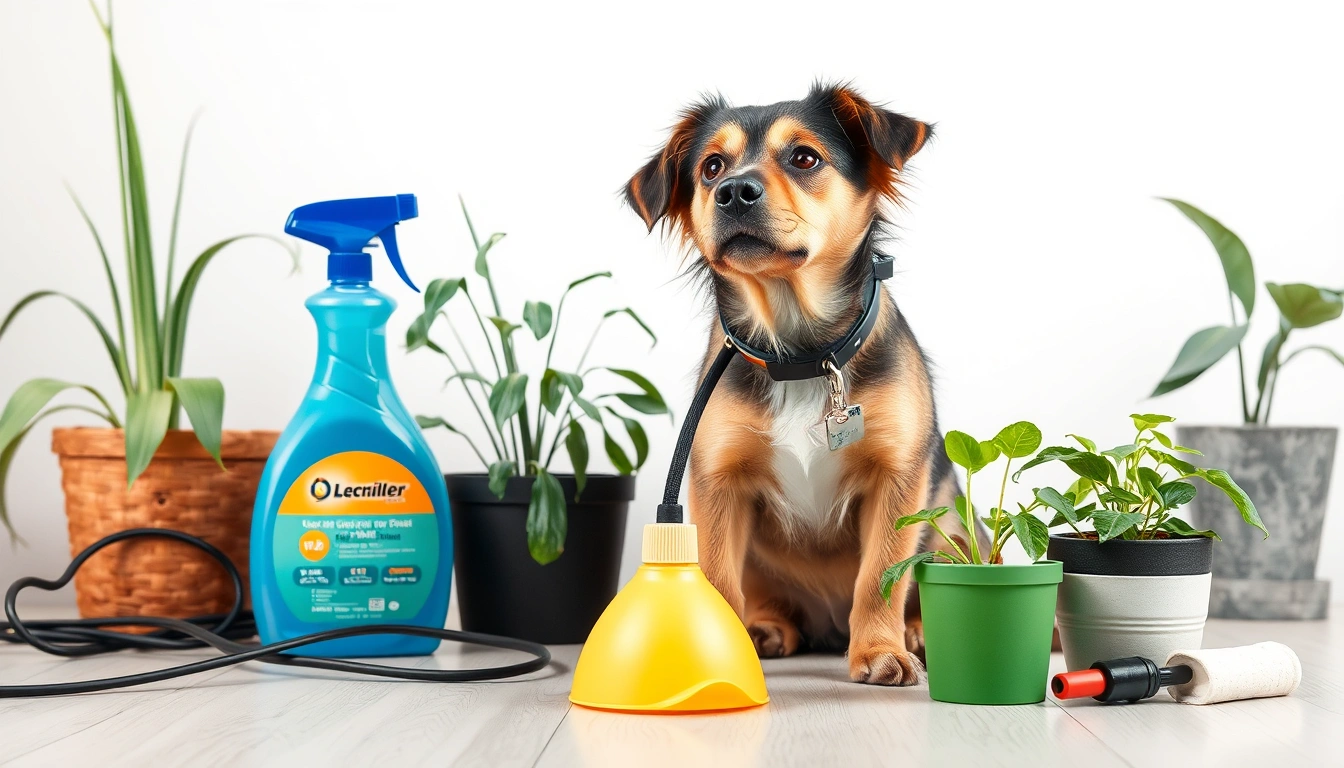
Cords are the hazard I would fix first, especially in homes with puppies, kittens, rabbits, or cats that chew when bored. They are not just a chew risk. They can also trip a pet, tangle around a leg, or get yanked until something heavy falls. A dangling cord behind a nightstand can become a game. A phone charger left within reach can become a bite toy. If the cord is live, the bite can injure the mouth or worse.
Layers work best. Route cords behind furniture, shorten slack, use cord covers or split loom where chewing is likely, and unplug what does not need to stay on. For the worst spots, a heavy-duty cord protector or a closed cable box is often better than a loose wrap. If you have a pet that treats every wire as a target, I would also block the area physically with a gate, x-pen, or furniture arrangement, and a veterinarian or trainer can help if the chewing is persistent. No spray on earth compensates for an accessible cord.
The weakness of cord covers is simple: they slow a bite, but they do not make a cord safe by themselves. A persistent chewer can still get through soft covers. Bitter sprays can help some pets, but I would not count on them as the main defense. They also need reapplication and do not work if the pet is chewing because of stress, teething, or boredom.
This is the right choice for people who have electronics in open spaces, pets left alone for parts of the day, or young animals still testing everything with their mouths. It is not enough for homes where pets have already shown a strong chewing habit. In those cases, management matters more than deterrent scent.
Cleaners: The Products That Look Harmless Until They Are Not
Cleaners win the “most misunderstood hazard” category. People often think, “I wiped the floor; it is dry now,” and stop there. The problem is that many cleaners leave residue, vapors, or puddles in places a pet will touch or lick. Bleach, ammonia, strong degreasers, toilet bowl cleaners, drain products, and disinfectants can all be dangerous if ingested or if a pet walks through a wet area and licks paws afterward.
I would keep cleaners in a locked cabinet, not a “high” cabinet, because many pets can open simple doors. The cabinet should close securely, and the products should stay in their original containers; if you are unsure about your storage setup, a veterinarian or poison-control source can help you review it. Do not decant cleaners into bottles that look like water. Do not leave mop buckets accessible. Do not let pets back into a freshly cleaned room until the floor is fully dry and the smell has cleared. If you use a spray cleaner on counters, wipe the area afterward before food bowls or paws contact it.
The honest drawback here is inconvenience. Safe storage takes more steps, and some cleaning routines take longer because you have to clear the pet out of the room. That is the price of not gambling with caustic liquid or toxic residue. I would also be careful with “natural” labels. Natural does not mean pet-safe. Essential oils, pine oils, and concentrated plant-based products can still be a problem.
This approach is best for homes that use strong cleaners regularly, homes with pets that lick floors or counters, and anyone who wants the least drama from routine housekeeping. It is less helpful if the person doing the cleaning will not actually change habits. A locked cabinet protects nothing if bottles live on the counter between uses.
For general poison-risk guidance, the ASPCA Animal Poison Control Center and Pet Poison Helpline both give practical, pet-specific advice. If a cleaner gets on a pet’s skin, into the eyes, or into the mouth, I would call a veterinarian or poison expert promptly rather than trying to “wait and see.”
Indoor Hazards for Pets: Plants That Can Turn a Nice Room Into a Vet Visit
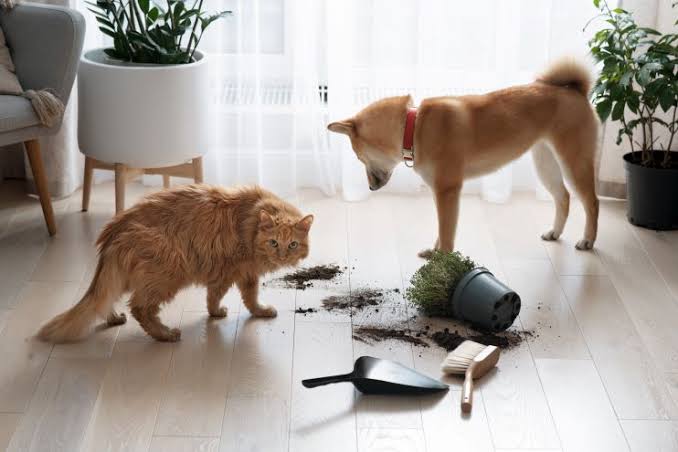
Plants are where people get surprised, because the room looks calm and healthy. Then a cat bats a leaf, or a dog chews a stem, and the plant becomes the problem. I would be especially careful with lilies around cats; even a small exposure can be serious. That is the plant I would remove from the home entirely if a cat lives there. Other houseplants can also cause vomiting, drooling, mouth irritation, or stomach upset, and the exact risk depends on the species.
Identification comes first. Removal comes second. If you do not know the plant’s name, do not assume it is harmless. Put the plant name into a reliable veterinary or botanical source before bringing it home or keeping it in pet-accessible space. I would keep risky plants in rooms pets cannot enter, on shelves they truly cannot reach, or out of the home altogether. “Out of reach” means more than a tabletop. Cats can jump. Dogs can nose things over. Trailing vines are basically invitations to play.
The main weakness of plant management is that it is easy to get casual after one or two weeks of nothing happening. That is how people leave a toxic plant in place until a pet eventually decides to taste it. If you want greenery and pet safety, choose known safer species after checking current guidance, and still keep an eye on chewing behavior. A safe plant is not a chew toy.
This is the right fix for cat households, homes with puppies, and apartments where plants sit near food, water, or favorite nap spots. It is not enough for someone who wants a mixed indoor garden without doing species checks. In that case, I would choose pet-safe plants only, or skip live plants in the pet zone.
For toxic plant lists, I would start with the ASPCA’s Animal Poison Control Center plant database and Cornell University’s veterinary toxicology resources. If a pet has eaten part of a plant and is drooling, vomiting, acting weak, or breathing oddly, contact a veterinarian or poison hotline right away.
Small Objects: The Choking and Surgery Risk People Underestimate
Small objects are the hazard most likely to be dismissed as “just clutter.” That is a mistake. Hair ties, rubber bands, buttons, coins, batteries, earrings, sewing needles, snack wrappers, toy parts, golf tees, bottle caps, corks, and little kids’ toys can all become a swallowed object or a choking problem. For cats, string, thread, ribbon, and tinsel can be especially dangerous because linear objects can cause serious intestinal damage.
Use a floor-level rule: if it is smaller than a pet-safe toy and not meant for the pet, it does not live on the floor, couch, bed, or low table. Use lidded bins for craft items and laundry accessories. Keep battery compartments closed. Sweep under furniture regularly, because a dropped object can hide there for weeks. If children live in the home, I would add one more rule: the pet room is not a drop zone for Lego pieces, marbles, or tiny snack parts.
The honest drawback is that this takes consistency, not one-time shopping. Small-object control fails when people are tired, rushed, or convinced the pet is “not interested in that.” Pets are interested in exactly the wrong thing at exactly the wrong time. A swallowed object can move from “fine” to urgent fast, and foreign-body surgery is one of the most expensive lessons a home can teach.
This is the right plan for any home with playful pets, but especially for young animals and pets with a history of scavenging. It is not enough if your pet already raids trash, chews furniture, or eats non-food items. In those homes, combine cleanup with physical barriers and covered trash cans.
The Honest Side-by-Side
I would not choose one hazard to manage and ignore the others, because each one fails in a different way. Cords are mainly a chewing and entanglement problem. Cleaners are a contact, inhalation, and ingestion problem. Plants are a species-specific toxicity problem. Small objects are a choking, blockage, and surgery problem.
| Criteria | Cords | Cleaners | Plants | Small Objects | Winner for condition |
|---|---|---|---|---|---|
| Fastest route to injury | Bite or shock risk | Immediate contact or ingestion | Depends on species and amount | Choking or obstruction | Cleaners for chemical exposure |
| Most common in everyday homes | Very common | Very common | Common in plant homes | Very common | Cords and small objects tie |
| Best fixed by physical barriers | Yes | Yes | Sometimes | Sometimes | Cords |
| Hardest to “train away” | Chewing habits persist | Not a training issue | Curiosity persists | Scavenging persists | All four, but cleaners are pure management |
| Most likely to be overlooked | Hidden charging cords | Residue on floors | Unknown plant species | Tiny items under furniture | Small objects |
| Best reduced by storage changes | Partly | Yes | Sometimes | Yes | Cleaners and small objects |
| Most dangerous for cats | Chewing and strangling | Floor residue and licking | Toxic plants, especially lilies | String, buttons, hair ties | Plants and small objects |
| Most dangerous for puppies | Chewing | Licking spills | Nibbling leaves | Swallowing objects | Small objects |
| Most cost-effective prevention | Route and cover | Lock and wipe | Remove risky species | Pick up and bin | Small objects |
My read of this table is simple: if you only have time for one pass, start with cords, cleaners, and small objects, then deal with plants by species. That order matches both how often I see people miss these risks and how quickly the hazards can turn into an emergency.
Our Verdict: Which One to Choose and Why
Choose cord and small-object control first if you have a puppy, kitten, or any pet that chews, bats, or scavenges. Choose cleaner and plant control first if your pet is older but you use strong products or keep toxic species indoors. Neither works if you are relying on “my pet knows better” instead of barriers, storage, and cleanup.
For a typical home, I would rank cords and small objects at the top because they are easy to overlook and easy for pets to reach. Cleaners come next because they can injure through more than one route and should be stored with the same care you would use for medication. Plants come after that unless you have a cat and lilies are in the house, in which case the plant issue moves to the front immediately.