Last updated: August 11, 2026
- That answer flips fast when certain warning signs show up.
- Quick Answer: In 3 to 4 signs , you can often tell when dehydration is possible at home.
- The real question in how tell if your pet is dehydrated at home is whether the signs are mild or urgent.
- A dry nose is not the story here.
Quick Answer: In 3 to 4 signs, you can often tell when dehydration is possible at home. The real question in how tell if your pet is dehydrated at home is whether the signs are mild or urgent. Collapsed? Not responding normally? Can’t keep water down? Call a veterinarian now.
A dry nose is not the story here. Gums, skin, behavior. That’s the trio.
When your pet is dehydrated at home, don’t hunt for some perfect test. Ask a sharper question: “Is this mild and fixable, or serious enough that my pet needs a vet now?” I’m helping you sort that out fast, because dehydration can jump from “watch closely” to “get help today” without much warning.
Key facts
– Moist gums, skin recoil, and behavior are the three home checks that matter most.
– If 2 or more of those signs are abnormal, call your vet for guidance.
– Repeated vomiting, diarrhea, or no drinking makes dehydration more urgent.
– Skin-tent tests are less reliable in very old, very thin, obese, or loose-skinned pets.
– If your pet is weak, confused, or collapsed, treat it as urgent and contact a professional.
What I Look For First When a Pet Might Be Dehydrated
Vomiting? Diarrhea? Not drinking? Acting off? Then I start with the simplest signs: gums, energy, and skin elasticity. Should your pet be collapsed, too weak to stand, or not responding normally, stop checking and call a veterinarian or emergency clinic.
The home signs that matter most are these:
- Sticky or dry gums instead of moist, slick gums
- Thick saliva or no saliva
- Sunken eyes
- Lethargy or unusual weakness
- Less urine than usual
- Panting in a dog who is not hot or exercising
- Loss of skin elasticity: when gently lifted, skin returns slowly
None of those by itself proves dehydration. A dog with a fever may pant. A cat with mouth pain may drool less. A very old pet may have looser skin anyway. So I do not lean on one clue alone.
Here’s the basic logic I use:
- One mild sign only? Keep watching closely and offer water.
- Several signs together? Dehydration is more likely, so consult a veterinarian.
- If the pet is weak, vomiting repeatedly, or not drinking, the situation is no longer a home-monitoring problem and needs professional advice.
A quick home check can help:
- Look at the gums. They should be moist, not tacky.
- Press a finger briefly on the gum and let go. Color should return quickly.
- Gently lift the skin over the shoulders or on the side of the chest, then release it.
- Check whether your pet has urinated normally in the last several hours.
- Notice behavior: bright and curious, or quiet and flattened?
For a professional reference, the American College of Veterinary Internal Medicine and the Merck Veterinary Manual both describe these classic dehydration findings in pets.
Quick check: Sticky gums, sunken eyes, and quieter-than-usual behavior? Assume dehydration is possible and call a veterinarian for the next step.
The 3 Signs That Matter More Than the Rest
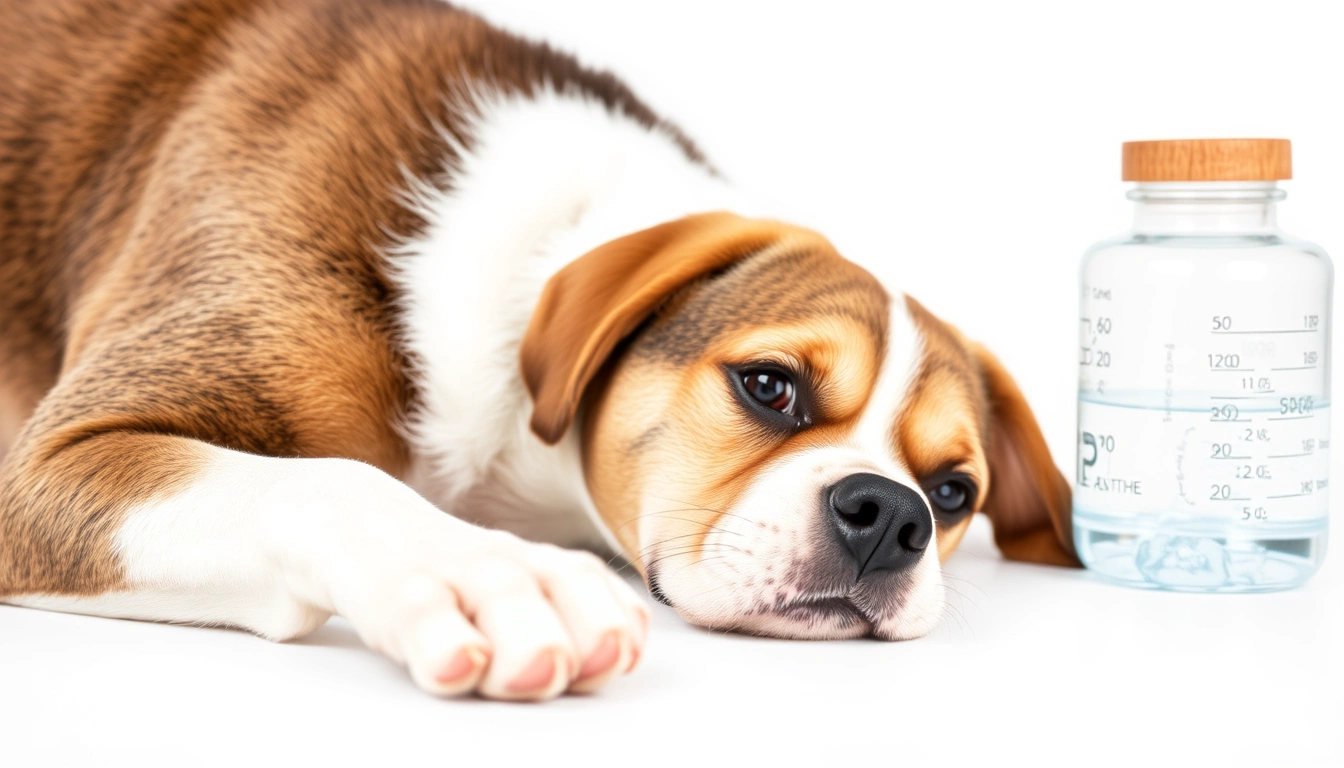
Remember three checks: gum moisture, skin recoil, and overall behavior. Still, if your pet has a medical condition that changes fluid balance, those signs can mislead you, so context matters.
1) Gum moisture
Healthy gums should feel moist. If they feel tacky or dry, your pet may be dehydrated. I trust this more than “my pet seems a little thirsty,” because thirst comes and goes for all kinds of reasons. A mouth can tell on a body fast.
2) Skin recoil
Pinch up a small fold of skin over the shoulders and release it. In a hydrated pet, it should fall back quickly. If it stays tented for a moment, that can suggest dehydration.
The catch: skin elasticity is less reliable in older pets, very thin pets, obese pets, and pets with loose skin. In those animals, I use this sign as a clue, not a verdict.
3) Behavior and posture
A pet who is dehydrated often looks “flat.” That can mean:
– less interest in food
– less interest in play
– lying in one place
– walking stiffly or weakly
– seeming dull, not just sleepy
If your pet is still bright, alert, eating, and moving around normally, mild dehydration is less likely to be severe. Yet if behavior has clearly changed, I take that seriously even if the skin check looks normal.
A simple rule:
- If all three signs are normal, dehydration is less likely right now.
- If one sign is abnormal, watch and recheck.
- If two or more are abnormal, call your vet for guidance.
- If abnormal signs come with vomiting, diarrhea, heat exposure, or weakness, do not wait.
A lot of generic advice gets one thing wrong: it acts like the skin-tent test is enough. It isn’t. I would never use it alone in a puppy, a kitten, a very old pet, or a pet with loose skin.
Quick check: Off gum moisture plus a dull attitude? Treat that combo as more serious than a single test result.
How to Tell If Your Pet Is Dehydrated by Species
Dog, cat, rabbit, bird, or small mammal — the same basic idea applies, but the warning signs look a little different. Some species hide illness well. That means you should act earlier, not later.
| Situation | Best Path | Why Other Options Fail |
|---|---|---|
| Dog with vomiting or diarrhea | Check gums, skin recoil, urination, then call a vet if signs stack up | Waiting for “obvious” collapse is too late |
| Cat not drinking much | Look for litter box changes, tacky gums, hiding, and low energy | Cats can hide dehydration until they are quite unwell |
| Rabbit or guinea pig eating less | Treat reduced food and water intake as urgent | These pets can go downhill fast and should not be watched for long |
| Heat-exposed pet | Cool the pet safely and contact a vet if weakness, panting, or collapse appears | Dehydration and heat stress can worsen each other quickly |
Dogs
If your dog has diarrhea, vomits, or has been active in heat, I watch for panting at rest, tacky gums, and slowed movement. If your dog still wants water and can keep it down, that is a better sign than if he turns away from the bowl.
Cats
If your cat hides, stops grooming, or spends unusual time loafing in one place, I look harder. Cats often drink less visibly than dogs, and some cats will not show dramatic dehydration signs until they are already in trouble.
Rabbits and guinea pigs
If a rabbit or guinea pig is eating less, drinking less, or making fewer droppings, I would not “wait and see” for long. These pets can become weak quickly, and reduced appetite often matters as much as the dehydration itself.
Birds and small exotics
If a bird, ferret, or small exotic pet seems fluffed, weak, or less active, dehydration can be easy to miss. I would contact a vet familiar with that species rather than trying to manage it by guesswork.
Honestly, home checks are weakest in pets that hide illness well. Smaller pet, less margin. That’s the trade-off.
Quick check: If your pet is a cat, rabbit, guinea pig, bird, or small exotic, a mild change in drinking or energy deserves faster action than it would in a healthy adult dog.
If Your Pet Will Drink, Here’s the Safest Home Plan

Should your pet be alert, able to swallow, and only mildly dehydrated, you can try home rehydration while you watch closely. But if your pet is vomiting repeatedly, drooling, choking, or too weak to swallow well, do not force water.
Here is the path I would use at home:
- Offer fresh water in a clean bowl. A second bowl in a different spot can help some pets.
- Encourage small, frequent sips rather than a big chug.
- For a dog, you can offer ice chips if he shows interest, but they should be only one small option, not the only source of water.
- For a cat, try shallow bowls, a fountain, or water mixed into wet food if your cat normally eats it.
- For pets that eat kibble, add a little water to food only if that does not cause vomiting or food refusal.
- Recheck gums, energy, and urination over the next few hours.
A few things I would not do:
– Do not force water into the mouth of a struggling pet.
– Do not use sports drinks, broth with onions/garlic, or flavored drinks unless a veterinarian told you to.
– Do not assume that “drinking a little” means the problem is solved if vomiting or diarrhea is still going on.
Should your pet have a known illness like kidney disease, diabetes, or a hormone disorder, the home plan changes. In those cases, fluid needs and risks are more complicated, and I would contact your vet sooner rather than later.
For a reliable general reference on dehydration and fluid balance, the Merck Veterinary Manual is a good place to read more, and your family veterinarian should have species-specific advice for your pet.
Quick check: If your pet can swallow, is alert, and only seems mildly off, careful water offering is reasonable. If swallowing is unsafe, skip the home fix and get veterinary help.
When Dehydration Is an Emergency, Not a Home Project
Wondering whether you can “watch overnight”? That answer flips fast when certain warning signs show up. If none of these are present and your pet is bright, you may have time to monitor closely.
Seek urgent veterinary care if your pet has any of these:
– repeated vomiting or diarrhea
– blood in vomit or stool
– very dry gums plus marked weakness
– sunken eyes with a dull, unresponsive look
– collapse, stumbling, or inability to stand
– not urinating
– known heat exposure with panting and weakness
– a puppy, kitten, or frail senior who stops drinking
– a pet who cannot keep water down
A practical decision rule:
– If the pet is alert and improving after small water offers, monitor and call your vet for advice.
– If the pet is not improving within a short period, or is getting worse, go in.
– If the pet is already weak, confused, or collapsed, contact a veterinarian urgently.
This is where people often wait too long. They see a pet drink once and assume the crisis is over. But dehydration is about the whole picture: intake, losses, energy, gum moisture, and urination. One successful sip does not cancel out ongoing fluid loss.
If you have a rectal thermometer and know how to use it safely, a very high or very low temperature can add urgency. But I would not spend time on that if your pet already looks seriously unwell.
Quick check: If your pet is weak, won’t keep water down, or has not urinated, stop home treatment and contact a vet now.
Edge Cases Where the Normal Advice Breaks Down
If your pet fits one of these situations, the usual home checks can mislead you. If not, the standard guidance above still helps.
- Very old pets → skin can be less elastic even when hydration is okay → rely more on gums, behavior, and urination.
- Very thin or very overweight pets → the skin-tent test can be hard to read → use it only as one clue.
- Pets with loose skin or breed folds → skin recoil is less reliable → focus on gum moisture and energy.
- Pets on diuretics or with kidney disease, diabetes, or adrenal disease → fluid balance can shift quickly → contact the vet sooner.
- Pets with mouth pain or dental disease → they may avoid water because it hurts, not because they are “choosing” not to drink → oral discomfort needs care.
- Pets after heat exposure → dehydration may be mixed with overheating → cool the pet safely and get help sooner than you would for simple thirst.
Situation → what changes → what to do instead:
– Senior dog with dry gums → age makes single signs less certain → check urination and behavior, then call your vet if anything is off.
– Kitten with diarrhea → dehydration can progress fast → do not rely on home monitoring for long.
– Cat hiding and not eating → cats mask illness → treat reduced appetite and water intake as a warning sign.
– Rabbit with fewer droppings → GI slowdown matters too → contact a vet promptly.
– Dog after a long hot walk → heat stress can worsen dehydration → offer small water amounts and seek urgent care if weak or disoriented.
This section matters because “look for a skin tent” is not enough for real life. I would rather have you over-call a vet once than miss a pet that was sliding downhill.
Quick check: If your pet is very young, very old, medically complicated, or heat-exposed, move faster than the usual home checklist suggests.
A Simple Home Decision Path You Can Use Right Now
Need a clean decision tree? Use this one. But if your pet is already very weak, skip the steps and call for urgent help.
- Check gum moisture and overall alertness.
- Look for recent vomiting, diarrhea, heat exposure, or not drinking.
- Gently check skin recoil, knowing it is only one clue.
- Look at urination: normal, reduced, or absent.
- If your pet is bright and only mildly suspicious, offer fresh water in small amounts and recheck soon.
- If multiple signs are present, call your vet or a clinic for guidance.
- If your pet is weak, confused, or collapsed, seek urgent care now.
That sequence works because it moves from the easiest sign to the more serious ones. It also keeps you from overreacting to a single dry mouth or underreacting to a pet that looks flatter than usual.
For a little more context, dehydration is often discussed alongside fluid loss from vomiting, diarrhea, fever, and heat stress in veterinary references such as the Merck Veterinary Manual. In day-to-day terms, the question is simple: is your pet still drinking, still urinating, and still acting like itself?
Quick check: If the signs are piling up instead of improving, stop the home plan and talk to a veterinarian.