Last updated: August 11, 2026
- Summer danger is not only temperature.
- I would treat pavement temperature as its own hazard, not a side effect of summer heat.
- When your summer schedule makes safe timing impossible, you need a different plan, not more optimism.
- A normal summer day can become too much faster than owners expect.
Quick Answer: For summer pet safety tips heat, dehydration, hot pavement, the safest practical plan is to dodge peak heat, bring water, and shorten — or skip — walks when the ground is scorching. The American Veterinary Medical Association and ASPCA both advise planning around heat, watching for heat stress, and protecting paws on hot surfaces.
Hard stop: when your pet is panting hard, slowing down, or lifting paws on summer walks, get them out of the heat, offer water, and check their paws before the next outing. Summer pet safety tips heat, dehydration, hot pavement are mostly about stopping heat stress, dehydration, and burned feet before they start.
Key facts
– Heat stress can become an emergency quickly, especially in humidity.
– Hot pavement can burn paws and should be treated as a separate hazard.
– Water helps, but it does not replace shade, rest, or cooler air.
– Flat-faced, senior, young, overweight, and ill pets need extra caution.
– If a pet collapses, seems confused, or will not recover after cooling, contact a veterinarian promptly.
I write about pet care and safety issues for readers who want practical guidance, not vague warnings. Honestly, this subject matters because heat problems can turn fast, and the signs are easy to miss until your dog or cat is already in trouble. Ugly stuff. Fast.
The Real Difference Between Heat Safety and “Just a Short Walk”
Heat safety assumes conditions can turn dangerous in minutes; “just a short walk” assumes your pet will tolerate the weather the same way you do. Usually, I lean cautious here. Summer danger is not only temperature. Humidity, direct sun, hot asphalt, dark coat color, age, body size, and how hard your pet is working all pile on.
For anyone trying to prevent trouble instead of reacting to it, heat safety is the better bet. Dogs on neighborhood walks, pets in cars, brachycephalic breeds with short noses, older animals, overweight pets, and any animal that already pants more than usual all fit that category. The trade-off is obvious: you may cut walks short, skip the midday outing, or change your routine. Yes, it is inconvenient. So is an emergency visit.
A “short walk” mindset only works in mild conditions, and even then I would change course if the pavement feels hot on your hand. People often forget that pets do not cool themselves the way humans do. Dogs rely heavily on panting, and that system can struggle when the air is hot and humid. Cats may hide their distress until they are very overheated. Sneaky, really.
For an owner, the safer habit is to schedule around heat, not convenience. Walk early or late, bring water, and treat hot pavement as a real hazard, not a minor annoyance. The AVMA and ASPCA both recommend those basic precautions.
For general heat illness guidance, I recommend reviewing the American Veterinary Medical Association’s heatstroke advice and the ASPCA’s summer safety guidance.
Heat Safety for Pets: Who Should Actually Use This (and Who Shouldn’t)
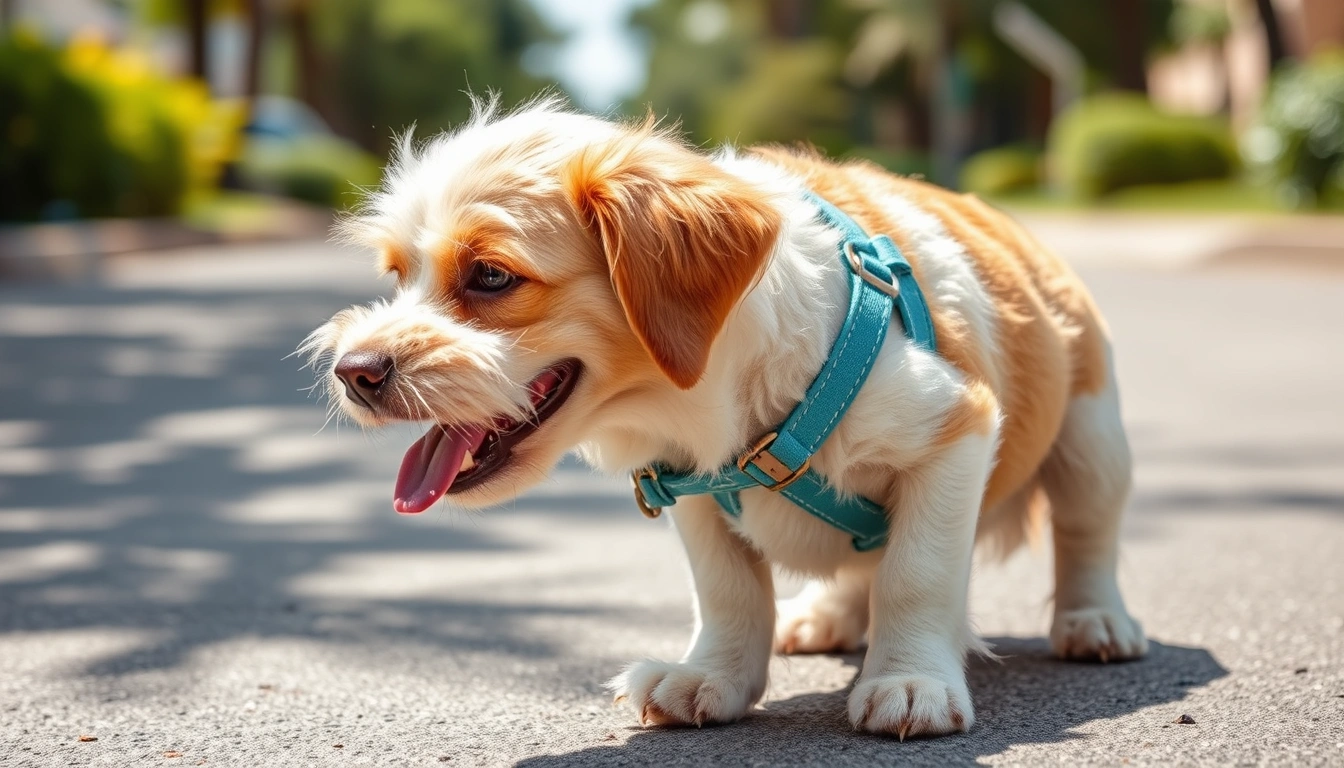
Nearly every pet owner can use a heat safety plan, but it matters most for pets with less reserve. I would use a strict heat plan for flat-faced dogs, senior pets, puppies and kittens, pets with heart or breathing issues, and animals that have trouble regulating weight or energy. They do not need a long exposure window to get into trouble.
A heat-focused plan’s biggest strength is simple: it changes the whole day, not just the walk. You choose shade, shorten activity, keep indoor spaces cool, and watch for early warning signs like heavy panting, drooling, wobbling, confusion, glazed eyes, or refusal to move. That wider approach can prevent the classic “he seemed fine until he wasn’t” moment that catches people off guard. Still, if your pet has a history of heat trouble, consult a veterinarian.
Where it falls short is when owners treat heat safety like a checklist and then stop paying attention. A list helps, sure, but your pet’s behavior matters more, so it is wise to consult a veterinarian if anything seems off. A dog can still overheat on a day that does not feel extreme to you. Dark pavement, no breeze, and a vigorous game of fetch can turn a routine afternoon into trouble in a hurry.
This approach is not for people who want to “push through” weather because the dog seems eager. Eagerness is not a safety signal. Many dogs will keep going until they collapse. If your pet has ever shown heat intolerance, I would treat that as a standing warning, not a one-time fluke, and I would ask your veterinarian whether your routine needs to change.
If you are unsure whether your pet is at higher risk, ask your veterinarian, especially if there is any history of airway, heart, or mobility issues.
Dehydration: The Specific Situations Where It Wins
Hydration wins when the day is warm, your outing runs longer than expected, or your pet is not a reliable drinker at home. I focus on water before thirst shows up, because once a pet is truly thirsty, you are already behind. That matters on long car rides, park visits, outdoor events, yard work days, and vacations where routines change.
A hydration-first approach’s biggest strength is that it is simple and portable. Bring fresh water, stop for drinking breaks, and make water easy to reach indoors and outside. Some pets drink more if the bowl is familiar or shallow; some need a quiet break away from noise and other animals. A collapsible bowl is handy for travel, but it only helps if you pack it and refill it. A portable bottle is convenient, though not every pet will drink from unfamiliar dispensers right away.
Dehydration can be harder to spot than heat stress. Dry gums, lethargy, thicker saliva, and reduced urination can be warning signs, but not every pet shows them clearly. That is why I prefer prevention over diagnosis. Offer water before and after activity, not only when the dog is already breathing hard.
By itself, this approach is not enough if your pet is overheating. Water helps, but it does not replace shade, rest, and cooler air. A hot, exhausted pet may need immediate cooling and veterinary care, not just a drink. Also, do not force large amounts of water into an animal that is struggling to breathe or cannot stand well.
When your pet is not drinking, seems weak, vomits, or cannot recover after rest in a cool place, contact a veterinarian promptly. For medical guidance, the Merck Veterinary Manual and your local veterinary hospital’s emergency instructions are good references.
Hot Pavement and Burned Paws: The Honest Side-by-Side
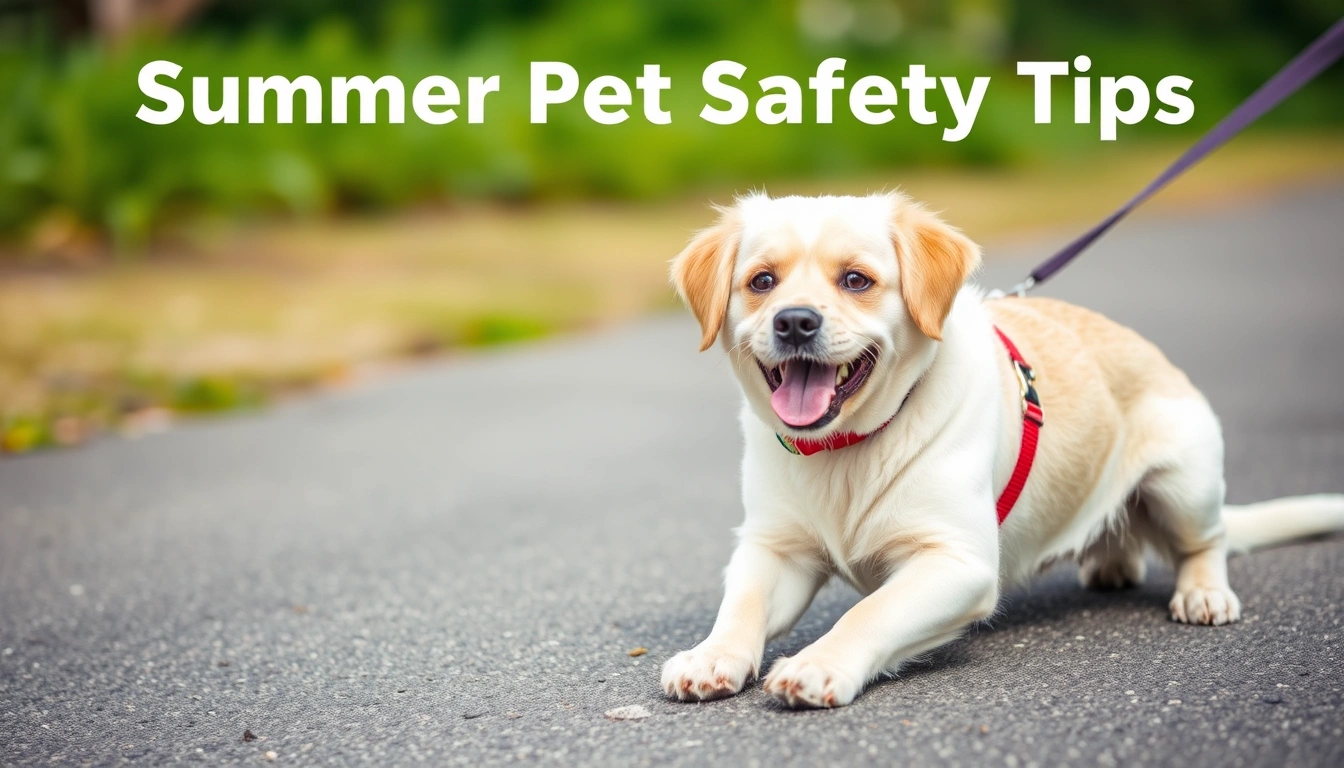
Hot pavement is the injury most owners underestimate. I would treat pavement temperature as its own hazard, not a side effect of summer heat. Asphalt, concrete, pool decks, metal grates, sand, and artificial turf can all become painfully hot in sun. A surface that feels “just warm” to your bare skin can still be miserable for paws after a longer contact time.
| Criteria | Heat Safety | Hydration Plan | Winner for [condition] |
|---|---|---|---|
| Best for preventing emergencies | Strong | Moderate | Heat Safety for overheated-prone pets |
| Best for travel and outings | Good if you can avoid peak heat | Strong | Hydration Plan for long outings |
| Best for protecting paws | Moderate unless route is changed | Weak | Heat Safety for pavement-heavy routes |
| Best for owners who forget gear | Strong if it changes timing only | Weak | Heat Safety for low-prep households |
| Best for early warning signs | Strong | Moderate | Heat Safety |
| Best for indoor-only comfort changes | Strong | Moderate | Heat Safety |
| Best for dogs that refuse unfamiliar bowls | Moderate | Weak | Heat Safety |
| Best for pets with longer outings | Good | Strong | Hydration Plan |
The blunt truth is that hot pavement safety is not a gadget problem. It is a timing problem and a route problem. Take the walk when the sun is low, stick to grass or shade when possible, and use the back-of-hand test on pavement only as a rough check, not a guarantee. I like that habit because it is fast. I do not like it because it is easy to misjudge heat on a breezy day or on mixed surfaces.
When your route is mostly sun-baked sidewalk, the smarter move is to shorten the walk or skip it entirely. Paw burns hurt, can blister, and can turn a simple outing into days of care. No drama. Just physics.
The Honest Side-by-Side
Hot pavement wins the immediate comfort battle, hydration wins the middle ground, and heat safety wins the whole-day decision. If I had to rank what matters most for summer pet safety tips heat, dehydration, hot pavement, I would put prevention of overheating first, then water access, then paw protection. That order matters because a dog with burned feet can still be hurt, but a dog with heat stroke can become a true emergency very quickly.
The biggest strength of a full heat-safety approach is that it changes your expectations before trouble starts. You move exercise to cooler hours, keep sessions shorter, watch breathing, and rethink car time, patio time, and park time. The weakness is discipline. It is easier to grab a leash than to rethink the schedule.
The biggest strength of a hydration plan is portability. Water can go with you. But it does not fix hot air, hot ground, or a pet that has already overheated. That is where people get complacent. They offer water, see a brief pause, and assume the crisis is over. Maybe. Maybe not.
One major benefit of hot pavement awareness is that it prevents a very visible, very avoidable injury. The weakness is that many owners only think about it after they see their pet stop and lift a paw. By then, the pavement has already won.
I also think owners should be honest about their own routines. When your summer schedule makes safe timing impossible, you need a different plan, not more optimism. A shaded potty break, a backyard potty run, indoor play, or a cooler route may be the better choice.
Our Verdict: Which One to Choose and Why
Choose heat safety if your pet struggles in warm weather, your area gets humid, or your walks happen on sun-exposed pavement. Choose hydration planning if you are managing longer outings, car travel, or a pet that needs reminders to drink. Not if your pet is showing signs of overheating, collapse, confusion, vomiting, or severe weakness; that is a veterinary situation, not a home-management problem.
My recommendation is to build your summer routine around heat safety first, then add hydration and pavement checks as support. That order gives you the best protection with the least guesswork. If you only remember one thing, make it this: the safest summer walk is the one that happens when the air and ground are cool enough for your pet to handle comfortably.
The trade-off is that you may do less, walk later, or skip some outings altogether. I would take that trade every time.
When to Reconsider This Choice Entirely
There are a few cases where the normal “be careful and hydrate” advice is not enough, and I would change the plan completely.
Because your pet has a history of collapsing, breathing difficulty, or heat intolerance, I would not rely on routine precautions alone. That animal may need very short outings, indoor exercise, or specific veterinary guidance.
Second, if your pet is flat-faced, very young, very old, overweight, or recovering from illness, the margin for error shrinks. A normal summer day can become too much faster than owners expect.
Third, if the pavement is hot enough that you cannot comfortably keep your hand on it for a few seconds, I would not count on your pet being fine. Route changes beat wishful thinking.
Fourth, when you are at an event, traveling, or distracted enough that you cannot watch your pet closely, simplify the plan. Keep the outing short, stay in shade, and leave if your pet starts to lag.
Those are the situations where the verdict flips from “manage it” to “avoid it.”
Summer Pet Safety Tips I Would Actually Use
My practical checklist is short because summer mistakes usually happen when people try to do too much.
- Walk early or late, not in the hottest part of the day.
- Bring water every time you leave home.
- Check paws and belly skin after walks.
- Avoid prolonged play on hot asphalt, concrete, sand, or artificial turf.
- Use shade as part of the route, not as a bonus.
- Watch for heavy panting, drooling, slowing down, wobbling, or unusual quiet.
- Keep car rides short and never leave a pet in a parked vehicle, even for a quick errand.
I like simple rules because they are easier to follow when the day gets busy. Summer safety fails when people improvise.
FAQ
How can I tell if pavement is too hot for my pet?
If you cannot hold your hand on the pavement comfortably for a few seconds, I would assume it is too hot for your pet’s paws. That is a rough check, not a guarantee.
Should I give my pet ice water in hot weather?
Cool, fresh water is the safer default. I would not force ice water if your pet refuses it, and I would focus more on making water available than on making it very cold.
What are the first signs of heat stress in pets?
Heavy panting, drooling, slowing down, weakness, restlessness, or trouble standing are all warning signs. If your pet seems confused, collapses, or cannot recover after resting in a cool place, call a veterinarian right away.
Are booties enough to protect paws from hot pavement?
Booties can help, but they are not a free pass for long exposure to hot surfaces. I would still change the route or timing because heat can build under the booties and your pet may still overheat.