Last updated: October 21, 2026
Quick answer: a safe emergency pet carrier setup usually takes 5 items—the carrier, a towel or blanket, a leash, an ID tag, and a clear label—and should be ready before an emergency starts. For How to Make a Safe Pet Carrier for Emergencies, the aim is to keep the pet contained, calm, and identifiable for a quick exit.
Key Takeaways
- Use the right-size carrier, a soft liner, a secure closure, and clear ID for a fast emergency setup.
- Set up the carrier in advance so it can be grabbed, opened, and used in under a minute.
- Keep only the items that help identify, contain, and manage the pet during a short evacuation.
- For cats, reduce escape risk, visual stress, and sliding with a low, steady carrier layout.
A safe pet emergency carrier setup for How to Make a Safe Pet Carrier for Emergencies starts with a carrier, a towel or blanket, a secure leash, and an ID tag, then gets packed so you can move fast without scrambling. If you are unsure whether a setup is safe for your pet, consult a veterinarian or qualified trainer. The goal is simple: keep the pet contained, calm, and identifiable for a quick exit.
What a safe pet emergency carrier setup needs first
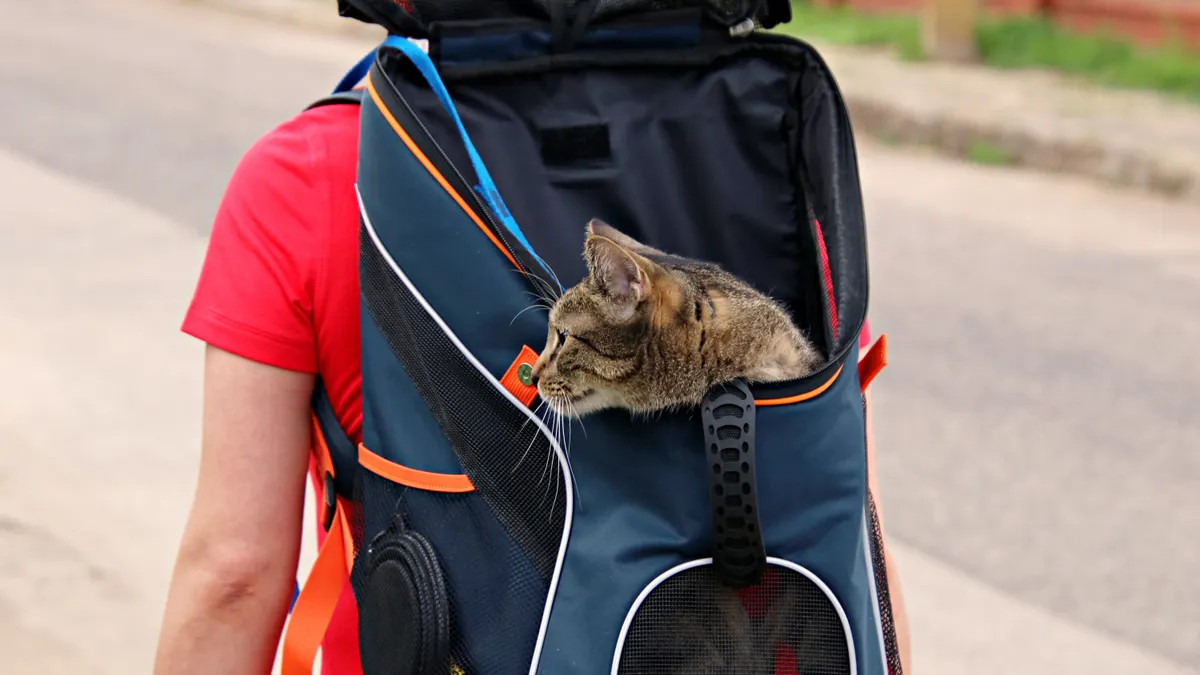
A safe pet emergency carrier setup needs the right carrier size, a soft liner, a secure closure, and a way to identify the animal if you get separated. If you are unsure about fit or handling, consult a veterinarian or qualified trainer. If the carrier is too small, flimsy, or overloaded, it becomes hard to use when stress is high.
Start with a hard-sided or sturdy soft-sided carrier that closes fully and latches without sticking. For cats, the carrier should let the animal stand, turn, and lie down without having to hunch sharply. For small dogs, the same rule applies, but a little extra floor space helps if the dog needs to shift position. The point is not luxury; it is containment.
Then gather the basics you will build around: a towel, a lightweight blanket, a leash, and an ID tag. A towel helps with grip and lining. A blanket can block visual stress and add warmth. A leash keeps control during handoffs or if the carrier needs to open briefly. An ID tag gives you a backup if the carrier label is lost.
This setup is not for pets that are already too large for a carrier or for situations where the animal cannot be safely handled. If a pet is panicked, aggressive, or injured, treat the carrier as transport equipment, not a way to improvise restraint without care; consult a veterinarian or emergency clinic if you are unsure.
How do you prepare a pet carrier for an emergency?
You prepare a pet carrier for an emergency by setting it up ahead of time so it can be grabbed, opened, and used in under a minute. That means building the carrier once, checking it monthly, and keeping the contents simple.
-
Choose the carrier and place it where you can reach it fast.
Keep it in a hallway, mudroom, or near the exit, not buried in a closet. A carrier you can reach in 10 seconds is far more useful than a better one you cannot find. When this step works, you can point to it without moving other items. -
Line the bottom with a towel first, then a thin blanket if needed.
Use a flat towel for traction and a blanket only if the weather or the pet’s size calls for it. Avoid loose bedding that bunches up. A stable base means the pet does not slide when the carrier moves. -
Add one familiar item with a clear scent.
A small blanket or cloth the pet already uses can calm the animal. Keep it thin enough that it does not crowd the carrier. If the pet settles instead of pawing at the sides, the item is doing its job. -
Attach a visible ID tag and label the carrier outside.
Put the pet’s name, your phone number, and any urgent notes on the carrier exterior. A simple luggage tag or taped label works. The carrier is ready when someone else can identify it without opening it. -
Keep the latch, zipper, or door mechanism clear and tested.
Open and close it once every few weeks so it does not jam from dust or a bent clip. The carrier should shut cleanly with one hand while you hold the pet with the other. -
Store the leash beside the carrier, not inside it.
A leash inside a packed carrier wastes time. Clip it to the handle or store it in a pocket nearby. The setup is right when you can grab leash and carrier together. -
Pack only emergency essentials, not a full pet closet.
Leave out bulky toys, extra blankets, and duplicate supplies. A light setup is faster to lift and easier to fit in a car. If the carrier feels heavy before the pet enters, it is overpacked.
What to pack without overloading the carrier
Pack only the items that keep the pet identifiable, contained, and immediately manageable for a short evacuation. The carrier is not a storage bin; the more you stuff into it, the less usable it becomes.
The most useful items are small and flat: an ID tag, a leash, a folded towel, one thin blanket, and a written note with the pet’s name and any critical care instructions. If the pet takes medication daily, a 1- or 2-day supply can go in a sealed pouch attached to the outside rather than loose inside the carrier. That keeps the interior clear.
For cats, a disposable pee pad or a folded absorbent liner can help if the trip may last more than a few hours. For small dogs, the same liner can work if the dog is likely to soil the carrier. Keep in mind that any absorbent layer should stay flat; thick padding can make the animal unstable.
Do not pack food bowls, large bags of kibble, hard toys, or glass containers inside the carrier. These items add weight and noise, and they can shift into the pet during movement. If you need food, water, or a larger supply, store it separately in an evacuation bag.
This is where many people go wrong: they try to make the carrier self-contained for a full day. That sounds efficient, but it creates a cramped, heavy box that is slower to lift and harder to secure. The safer choice is a light carrier plus a separate go-bag.
Carrier setup for cats
A cat carrier setup should reduce escape risk, block visual stress, and keep the cat low and steady. Cats often freeze, bolt, or twist backward when frightened, so the setup has to work with those instincts.
Use a carrier with a top or front opening that closes securely, because many cats are easier to place in from above than through a narrow door. If you are unsure which opening is safest for your cat, consult a veterinarian or experienced cat handler. If the carrier only has a front opening, lay the carrier on its end or side only if the design allows it and the door still latches safely. The opening must not create a gap wider than a cat’s head.
Line the carrier with a towel that grips the base. A slippery liner makes the cat brace harder, which raises stress. If you add a blanket, keep it light and cut or fold it so it does not block airflow. The cat should be able to see the shape of the carrier walls and settle against them.
If the cat hates travel, leave the carrier out in the home before an emergency so it becomes a familiar object. A carrier that smells like the room and not like a storage closet is often less alarming. You do not need to force the cat inside during calm hours; just make the carrier part of the environment.
A cat setup is wrong if it requires wrestling, extra straps inside the carrier, or bulky bedding that crowds the floor. The aim is a clean, quiet interior and a fast close.
Small-dog carrier setup for fast evacuation
A small-dog carrier setup should give the dog enough room to lie down while still preventing sliding, rolling, or scrambling at the door. The key difference from a cat setup is that small dogs may brace on their feet longer, so floor traction matters even more.
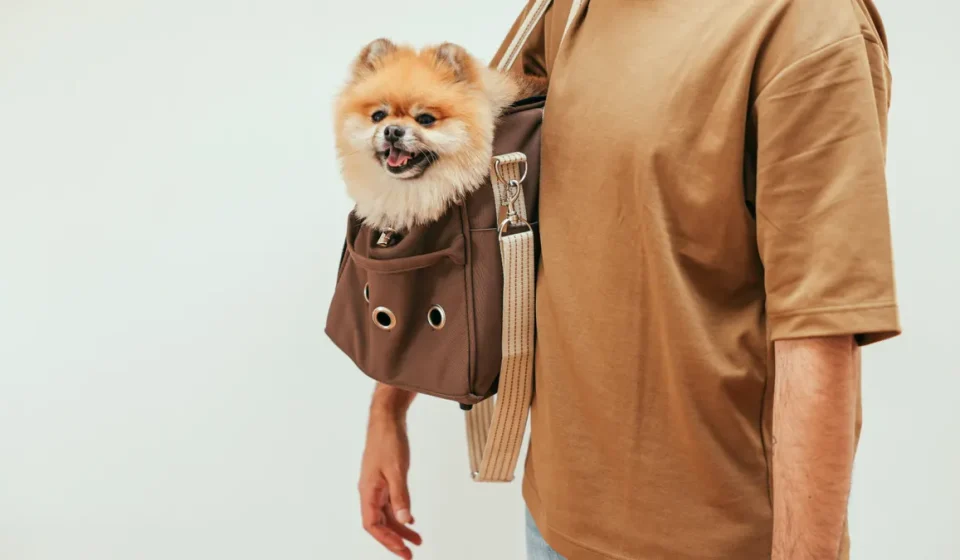
Choose a carrier with enough height for the dog to sit upright without scraping the top. For many small dogs, a soft-sided carrier can work if the frame is firm and the base does not sag. A hard-sided carrier is better if the dog pushes hard against walls or door panels. The carrier should close so the dog cannot nose the zipper or door seam open.
Place a towel on the bottom and, if needed, a second thin layer only in cold conditions. Avoid fluffy bedding that lets the dog dig down and twist. If the dog is senior or short-legged, a flat liner is easier to balance on than a thick cushion.
Keep the leash attached to the dog before you move toward the carrier, then remove slack once the dog is inside. A leash is not the main restraint inside the carrier, but it is useful while you are guiding the dog from room to room or through a doorway. The setup is ready when you can move the dog with one calm hand and close the carrier with the other.
If the dog is anxious, a carrier with a wider opening saves time. A tight opening can turn a 15-second task into a struggle. That is the trade-off: a larger opening may be easier to use, but it also needs a stronger latch to stay secure.
How to keep the carrier calm, clean, and ready to grab
You keep the carrier calm, clean, and ready to grab by checking it on a schedule and keeping the setup simple enough to reset in a few minutes. A carrier that lives in storage usually fails when you need it most.
Once a month, open the carrier, remove hair or debris, wash the towel or blanket, and check the latch, zipper, or handle for wear. A 2023 ASPCA pet preparedness guide recommends checking gear regularly so it stays usable in an emergency. A carrier that smells strongly of mildew, urine, or dust can make a pet resist entering.
Keep the carrier near the exit but out of direct clutter. A carrier hidden behind stacked bins takes longer to reach and may get damaged when pulled out in a hurry. If you have two pets, label each carrier clearly so no one wastes time guessing.
Do not keep the carrier packed with food or hard items “just in case.” A light, ready carrier is easier to lift, easier to secure, and less likely to injure a pet if you have to move quickly. The best emergency setup is boring: visible, clean, labeled, and uncluttered.
For a wider emergency plan, the hub on pet safety emergencies can help you connect this setup to the rest of your preparation. See also our pet first aid guide and emergency evacuation checklist for related steps.
Common mistakes that make a carrier unsafe
The most common mistakes are overpacking, using the wrong size carrier, and leaving the closure untested. Each one costs time, control, or both.
An overpacked carrier becomes heavy and crowded. That matters because a carrier that is hard to lift is also hard to steady, and a pet that cannot shift position will resist more. Keep bulky supplies outside the carrier and use only flat items inside.
A carrier that is too small can make the pet panic or cramp its legs. A carrier that is too large can let the animal slide into the walls during movement. Fit is not cosmetic; it changes how secure the pet feels while you move.
A weak latch or sticky zipper is a serious problem because the first 30 seconds of an emergency are usually the least forgiving. If the closure does not work smoothly with one hand, replace the carrier or repair it before you need it.
A final mistake is skipping the ID tag because “I’ll have the pet with me.” Emergencies are messy. An external tag and clear label are simple backup tools that matter if the carrier is handed off, separated, or set down in low light.
FAQ
What should i keep in a pet carrier for emergencies?
Keep the carrier light and simple: a towel, a thin blanket, an ID tag, and a leash stored beside it rather than inside it. Add only a small absorbent liner or a 1- to 2-day medication supply if your pet needs it. The best emergency carrier is easy to lift, close, and identify quickly.
How do i prepare a cat carrier for evacuation?
Prepare a cat carrier for evacuation by lining it with a towel, adding a thin familiar blanket, labeling it with the cat’s name and your phone number, and testing the latch before you need it. Keep the opening clear and the bedding flat. A cat carrier works best when it stays familiar, low-stress, and easy to shut in seconds.
How do i transport an injured pet safely?
Transport an injured pet safely by using the smallest secure carrier or box that allows the animal to lie flat without being squeezed. Move slowly, avoid extra handling, and keep the surface stable with a towel. If the pet may bite, cry in pain, or cannot stand, contact a veterinarian as soon as possible before moving them.
Drafted with AI; not yet reviewed by a person.