Last updated: October 21, 2026
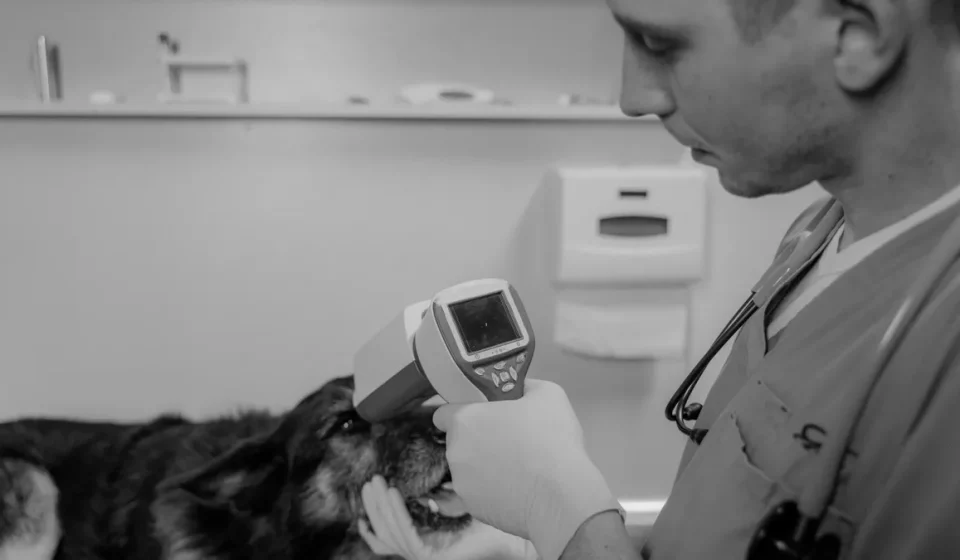
How to Check Your Pet’s Temperature at Home starts with a digital rectal thermometer, and that is the most reliable way to get a number you can act on. A pet thermometer is the right tool for checking a dog or cat’s temperature at home, and touch alone cannot tell you whether your pet has a fever. The safe range is narrow enough that guesswork wastes time.
Key takeaways
- A digital rectal thermometer gives the most dependable at-home reading for dogs and cats.
- Normal temperature is generally about 38.3–39.2°C for dogs and 38.0–39.2°C for cats.
- Use lubricant, hold the thermometer steady, and stop if your pet fights hard or seems in pain.
- Clean the thermometer with a pet-safe disinfectant after every use.
- A reading above the normal range can matter, but fever is only one piece of the picture; call a vet if the number is high or your pet looks unwell.
What you need before you start
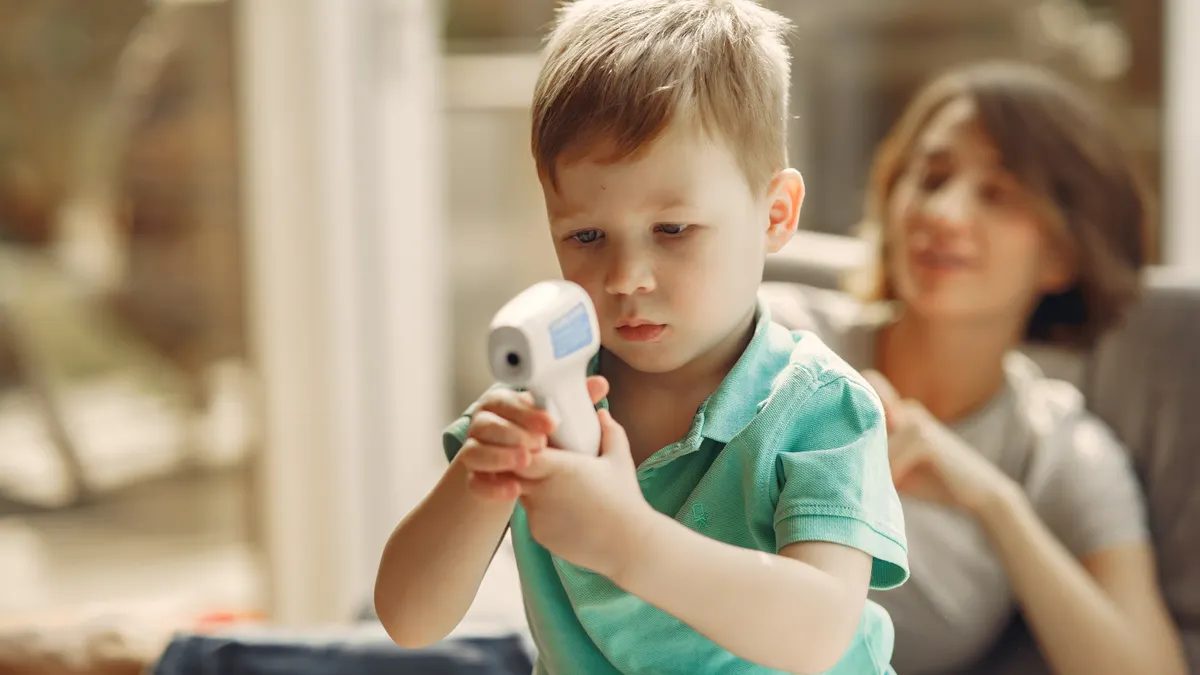
You need a digital rectal thermometer, lubricant, a pet-safe disinfectant, and a second person if your pet is fidgety. A flexible-tip pet thermometer is easier to handle than a glass thermometer, and a model with a clear digital display reduces the chance of misreading the number.
Keep the thermometer for pet use only. If you use one thermometer on more than one animal, disinfect it between pets. Have paper towels ready, and choose a calm room with a non-slip floor. A bathroom or laundry room works better than a couch or bed, because you want one hand free to steady the tail and the other to guide the thermometer.
The point here is accuracy, not speed. A cat or dog that is warm from play, stress, or a hot room may feel feverish by touch, but skin temperature is not the same thing as core temperature. A rectal reading is the standard at home because it tracks core heat more closely than ear, forehead, or paw checks.
This method is not for pets that are very painful to handle, collapsing, having seizures, or struggling so hard that you cannot safely restrain them. In those cases, stop and contact a veterinarian.
How do I check my pet’s temperature at home?
You check your pet’s temperature at home by taking a rectal reading with a digital thermometer, then comparing it with the normal range for dogs and cats. The core steps are simple, but the handling matters more than the gadget.
-
Turn on the digital rectal thermometer and coat the tip with lubricant.
Use a small amount of water-based lubricant or another pet-safe lubricant on the metal tip. The tip should look slick, not dripping. This makes insertion easier and less uncomfortable. -
Set your pet on a stable surface and keep the body still.
Place a dog standing or lying on a towel, or hold a cat securely with the hindquarters exposed. A second person can hold the chest and front legs if needed. When this works, the tail is lifted without twisting the spine or pinning the pet hard. -
Lift the tail and gently insert the thermometer into the rectum.
Insert only about 1 to 2 cm for a cat or small dog, and a little farther for a larger dog if needed for a proper reading. Do not force it. The thermometer should slide in with mild resistance, not push against muscle. If you meet resistance, stop and reposition. -
Keep the thermometer steady until it beeps.
Most digital thermometers signal when the reading is ready, usually within seconds. Hold the tail and thermometer still during that time. A successful step ends with a stable number on the display, not a jumping or blank screen. -
Read the number and note the result immediately.
Write the temperature down as soon as you remove the thermometer. Normal rectal temperature is generally around 38.3–39.2°C for dogs and 38.0–39.2°C for cats. A reading above that range can suggest fever, but context matters. -
Clean and disinfect the thermometer after use.
Wipe away visible material first, then disinfect the probe with a pet-safe disinfectant according to the product label. Dry it before storing. A clean thermometer lowers the chance of spreading bacteria between uses and keeps the next reading more reliable.
If your thermometer gives a weird reading, take it again after a minute. One odd number can come from shallow placement, a loose battery, or a pet that moved mid-reading. If the second number is still abnormal, treat it as real and contact a veterinarian for advice.
What temperature is normal, and when is it a fever?
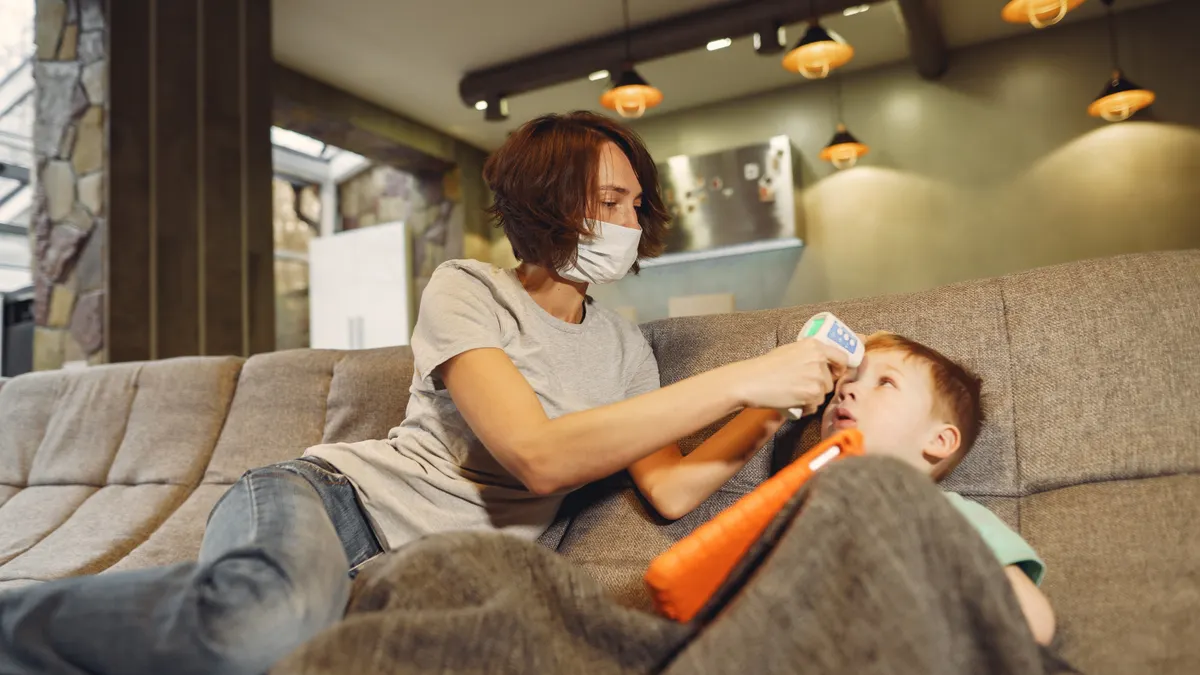
A normal temperature is usually about 38.3–39.2°C for dogs and 38.0–39.2°C for cats, and a reading above that range may count as fever. The exact number matters less than the pattern: a pet that is slightly warm but bright, eating, and drinking is different from one that is quiet, trembling, or refusing food.
A fever does not tell you the cause. It can happen with infection, inflammation, pain, or other illness, and the thermometer cannot sort that out. That is why a home reading is a starting point, not a diagnosis.
Use the number to decide your next move. If the temperature is only a little high and your pet otherwise seems normal, call your vet and ask how they want you to proceed. If the temperature is clearly above the normal range, or if the reading keeps climbing on a repeat check, the pet needs professional advice rather than more home guessing.
This is also the point where touch misleads people. A warm nose, dry nose, or ears that feel hot are not reliable measures of core temperature. A room at 27°C, a blanket, or recent exercise can all change how a pet feels to your hand without changing the rectal number in the same way.
How to sanitize a thermometer without ruining it
You sanitize a pet thermometer by wiping it clean first, then using a pet-safe disinfectant that is suitable for the device material. The goal is to remove organic material and kill germs without damaging the probe or leaving harsh residue.
Start with a tissue or paper towel to remove any visible debris. Then apply the disinfectant exactly as the label says. Some products need a full wet contact time, while others are meant for a quick wipe. If the label calls for 30 seconds or 1 minute, follow that instruction rather than guessing.
Do not soak the entire thermometer unless the manufacturer says it is waterproof. Many digital thermometers are only splash-resistant, and liquid in the battery compartment can ruin them. Avoid bleach unless the product instructions specifically allow it, because bleach can damage plastic and seals.
After disinfecting, let the thermometer dry fully before storing it in a clean case or drawer. A damp probe can collect dust and can also make the next reading uncomfortable. If you use the thermometer for more than one pet, clean it between animals, not just at the end of the day.
A small habit here saves trouble later. A dedicated pet thermometer costs less in hassle than replacing a contaminated or broken one, and it keeps home checks consistent. The best thermometer is the one that gives you repeatable readings you can trust twice in a row.
Common mistakes that make the reading useless
The most common mistake is using the wrong site, because mouth, ear, and skin checks can be off enough to hide a fever. Rectal is the practical home standard for dogs and cats, even if it is less pleasant. If the pet resists, a quick pause is better than a bad number.
Another mistake is using too much force. Pushing harder does not improve accuracy; it can cause pain or injury and make the pet fear the thermometer next time. If the tip does not go in easily, reapply lubricant, calm the pet, and try again gently.
A third mistake is forgetting to wait for the beep. Pulling the thermometer out early often gives a low or incomplete reading. If your model has a memory function, use it only as backup, not as a substitute for a finished measurement.
People also misread fever by comparing a pet to a human. A dog or cat runs hotter than a person, so a number that would be alarming in a human may still be normal for a pet. That is why the normal range matters more than the human instinct to compare.
Finally, some owners clean the thermometer poorly or not at all. That can spread germs from one reading to the next and can make the probe slippery in the wrong way. Disinfecting after every use is part of the measurement, not an optional cleanup step.
When to call the vet after a home temperature check
You should call a veterinarian if the temperature is above the normal range and does not settle on a repeat reading, or if your pet seems unwell even when the number is only borderline. A home thermometer gives you information, but not the cause or the treatment, so a vet is the right next step when the result does not fit the pet’s condition.
A vet call is also wise if the reading is hard to obtain because your pet is too painful, too stressed, or too weak to hold still. That is a handling problem and a health clue at the same time. A pet that will not tolerate a gentle rectal check may need an exam sooner rather than later.
Do not keep rechecking every few minutes. Repeated handling can stress a sick pet and make the number less useful. One careful reading, followed by a note of the exact number and the pet’s behavior, usually tells a vet more than five rushed attempts.
If you already have the temperature, be ready to describe the number, the time you took it, and what your pet was doing before the check. Mention recent exercise, a warm room, vomiting, coughing, shivering, or appetite changes if they are present. Those details help the vet judge whether the reading fits the whole picture.
For broader steps on staying calm and organized during a pet problem, the hub on pet safety emergencies is the right next stop.
What is a normal temperature for a dog?
A normal dog temperature is generally about 38.3–39.2°C when taken rectally. That range is the number to use at home, not the temperature of the ears, nose, or skin. If your dog is outside that range, repeat the reading once after a short pause and call your vet if it stays high.
What is a normal temperature for a cat?
A normal cat temperature is generally about 38.0–39.2°C when taken rectally. Cats can be difficult to handle, so a second person helps if the cat squirms or turns. If the reading is above the normal range and your cat seems quiet, painful, or off food, a vet call is appropriate.
How do I take a pet’s temperature safely?
You take a pet’s temperature safely by using a digital rectal thermometer, lubricant, and a calm grip on a stable surface. Insert the tip gently, wait for the beep, and stop if the pet fights hard. Clean the thermometer with a pet-safe disinfectant after use, and do not force the process if the animal is in distress.
Drafted with AI; not yet reviewed by a person.