
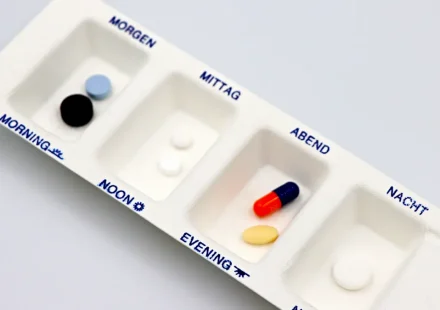
How to Use a Pill Pocket or Food to Hide Pet Medicine Safely

A pill pocket is often the easiest place to start when you need to hide pet medicine in food, but the safest method depends on the tablet, the animal, and…
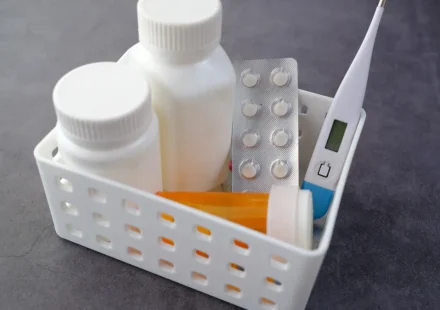
How to Store Pet Medicines Safely
Pet medicine storage in How to Store Pet Medicines So They Stay Safe and Effective is about keeping each medicine at the right temperature, in the right…
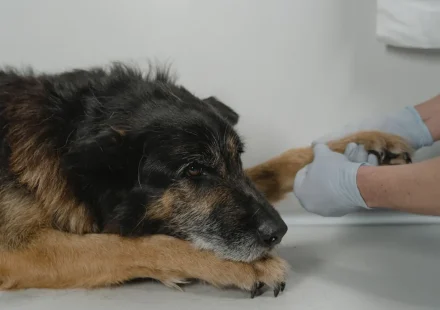
How to Safely Remove a Splinter, Foxtail, or Thorn from a Pet
A splinter, foxtail, or thorn stuck in a dog or cat should come out only when it is shallow, easy to grip, and nowhere near an eye, ear canal, nose, or…
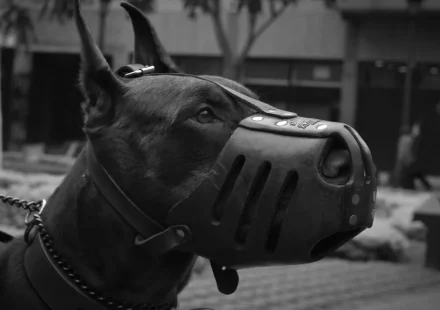
How to Muzzle a Dog Safely in an Emergency
How to Muzzle a Dog Safely in an Emergency: in an emergency, use a correctly fitted basket muzzle for about 1 to 2 minutes if the dog is conscious…
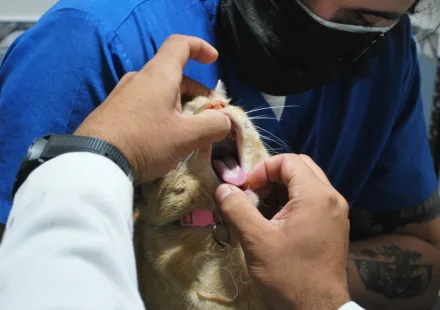
How to Give a Dog or Cat Medicine Safely at Home
Giving a dog or cat medicine safely at home usually comes down to one thing: the right technique for the exact form of medicine you have. Start with the…
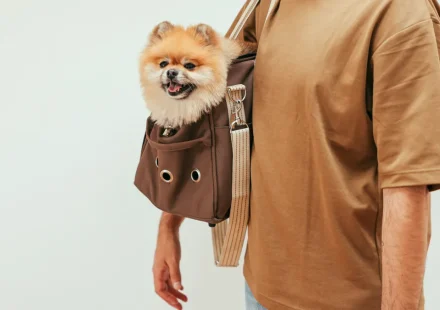
How to Make a Safe Pet Carrier for Emergencies
A safe emergency pet carrier setup usually takes 5 items —the carrier, a towel or blanket, a leash, an ID tag, and a clear label—and should be ready…
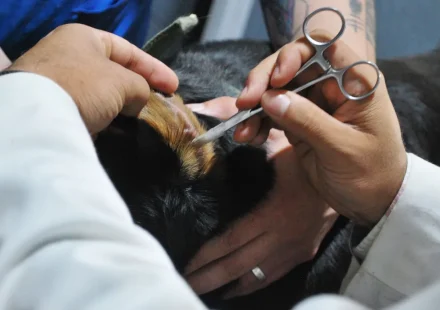
How to Clean a Minor Cut on a Dog or Cat at Home
A minor pet wound can usually be cleaned at home if the cut is shallow, stops bleeding quickly, and your dog or cat is otherwise acting normal. This guide…
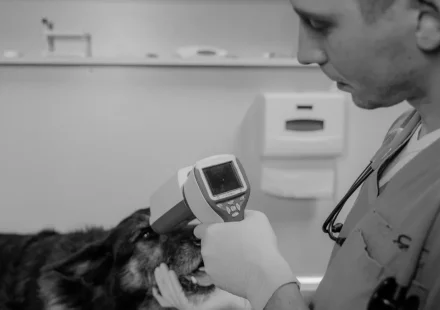
How to Check Your Pet’s Temperature at Home
How to Check Your Pet’s Temperature at Home starts with a digital rectal thermometer, and that is the most reliable way to get a number you can act on. A…