Last updated: October 23, 2026
Quick Answer: in an emergency, use a correctly fitted basket muzzle for about 1 to 2 minutes if the dog is conscious, breathing normally, and not vomiting. A dog muzzle can stop a bite long enough to get a frightened, injured, or reactive dog through first aid, but only if the dog can still breathe, pant, and swallow normally. If the dog is vomiting, overheated, or struggling to breathe, do not muzzle first and sort it out later. For broader pet safety planning, see the pet emergency guide and dog first aid basics.
Key takeaways
- A muzzle is for brief safety, not punishment or long-term control.
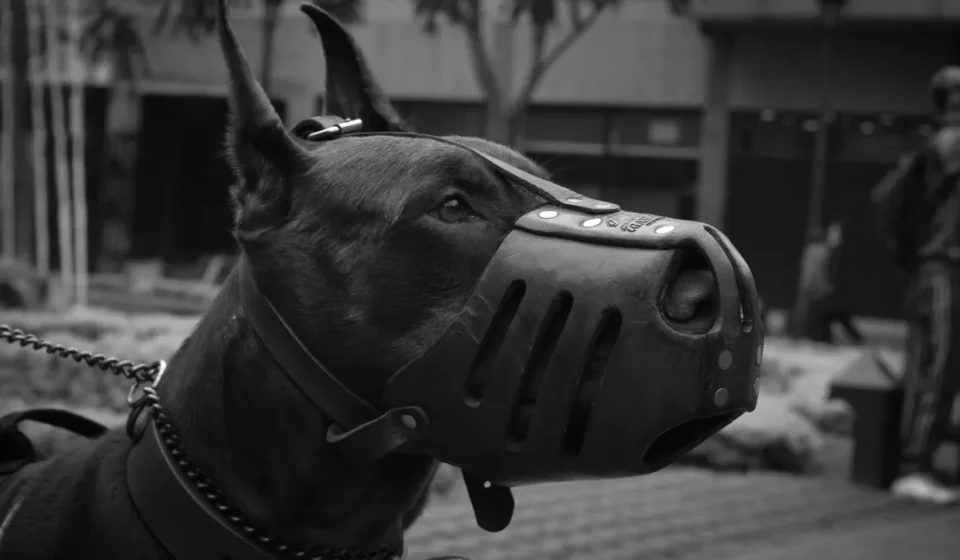
- A correctly fitted basket muzzle is usually the safest emergency choice because it leaves room to pant and take treats.
- If you only have gauze, a towel, and a few treats, you may be able to make a short-term temporary muzzle for a few minutes, but consult a veterinarian or qualified trainer if you can.
- Do not muzzle a dog that is vomiting, overheating, coughing hard, or having trouble breathing.
- Keep the dog as still and calm as possible, and get through the needed first-aid step fast.
- If the dog is too distressed to handle safely, stop and get professional help instead of forcing restraint.
What to gather before you try to muzzle the dog
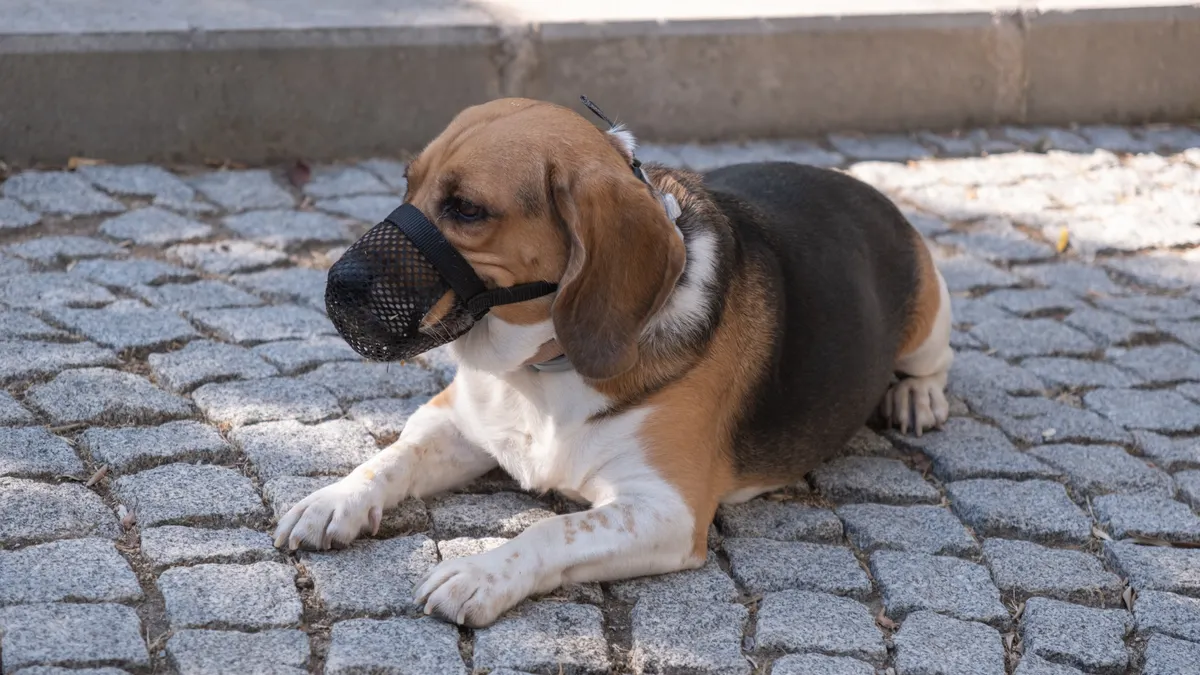
Have the muzzle, treats, and one backup restraint ready before you touch the dog. If this is a true emergency, those items should be within arm’s reach: a basket muzzle sized for the dog, a handful of soft treats, a towel, and a 1/2-inch to 1-inch gauze roll if you may need a temporary tie. If you are not sure about fit or handling, consult a veterinarian or qualified trainer if you can.
A basket muzzle is usually the best emergency choice because it lets the dog open the mouth enough to pant. A fabric sleeve-style muzzle is faster to slip on, but it can be risky because it closes the mouth too tightly for heat release and treats. That trade-off matters in a crisis: some restraint is better than none, but the wrong kind can make breathing and stress worse. The AVSAB muzzle statement and the RSPCA muzzle advice both stress fit and safety.
Before you start, look at the setting. Clear away other pets, children, and tight spaces. Turn off the TV, lower your voice, and keep your movements slow. A dog cornered in a hallway or on a slippery floor is more likely to thrash. If you can, move the dog to a small quiet room with one door and non-slip footing, such as a bath mat or folded towel.
Keep the muzzle ready in your hand, not across the room. If you need treats, have them opened already. If you need to hold the head briefly for first aid, the towel should be folded and within reach. The goal is to avoid the stop-start scramble that turns a 30-second task into a full struggle.
How do you muzzle a dog safely in an emergency?
You muzzle the dog by staying calm, placing the muzzle from behind or in front only as the dog allows, fastening it snugly, and checking that the dog can still pant. The steps below assume you have a basket muzzle and a dog that is conscious, breathing normally, and not vomiting.
- Stand beside the dog and keep your body loose. Put one hand on the chest or shoulder, not over the face. Speak in a flat, low voice. If the dog sees your hand coming straight toward the muzzle, many dogs will flinch; approaching from the side usually works better.
- Show a treat at the nose and guide the muzzle over the snout. Let the dog follow the treat into the basket, then bring the straps around the head. You should see the nose fully inside the muzzle with the front not pressing against the nostrils.
- Fasten the strap behind the ears. The muzzle should feel snug, not crushing. You should be able to slip one finger under the strap, and the dog should not be able to pull the muzzle off with a quick shake.
- Check for panting room right away. The dog should be able to open the mouth enough to breathe fast and cool down. If the jaw is jammed shut, loosen the fit or remove the muzzle immediately.
- Do the first-aid task you need, then remove the muzzle as soon as the danger passes. A brief job such as examining a paw, cleaning a small wound, or giving a quick bandage is the use case here. Once the bite risk is over, take the muzzle off and let the dog recover for a minute.
If the dog freezes, growls, snaps, or slams the muzzle away, do not wrestle harder. Reset for a few seconds, offer a treat, and try again only if the dog is still able to stay controlled. A muzzle that triggers a full fight is not helping.
This is the right tool for a dog that is scared but still manageable. It is not for a dog in a panic attack, a dog with airway trouble, or a dog that is too large and strong for one person to hold safely while fitting equipment.
When not to muzzle a dog
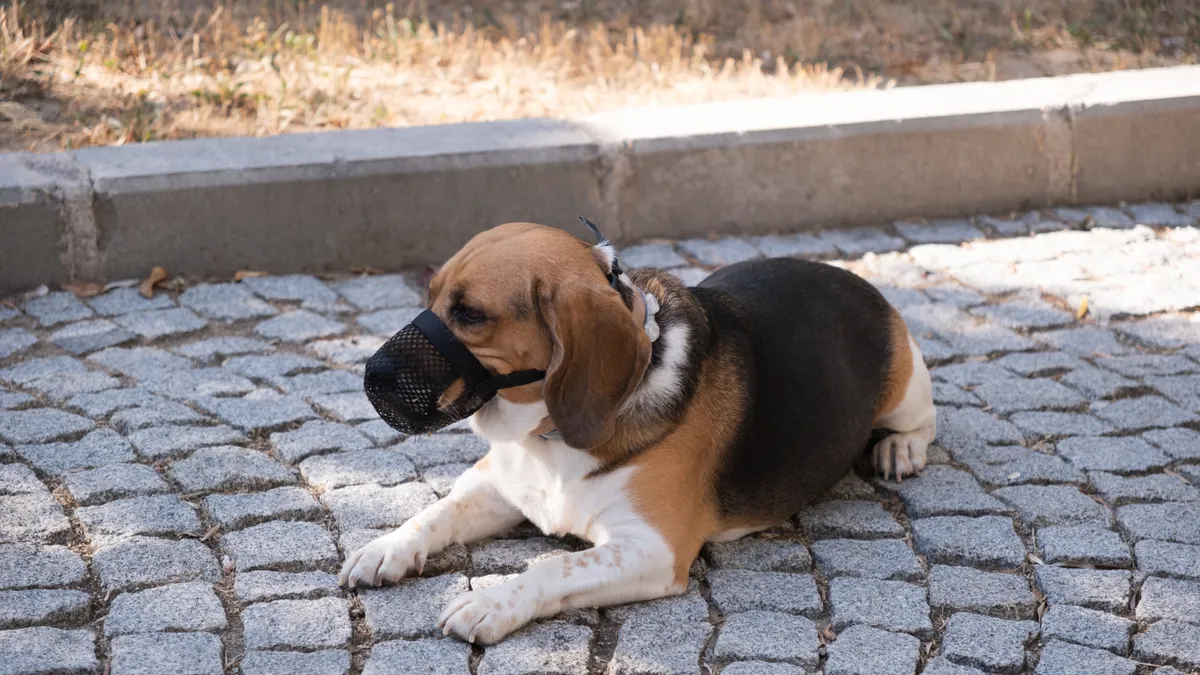
You should not muzzle a dog if the dog is vomiting, overheating, or struggling to breathe. Those are the situations where a muzzle can block the dog’s main way to cool down or clear the airway.
Watch for the simple rule: if the mouth is needed for air movement, the muzzle comes second. Panting is not the same as “being bad.” It is how dogs regulate heat. A tight muzzle can turn a stressful episode into a dangerous one in a minute or two, especially in warm weather, after exercise, or during transport in a hot car.
Do not put a muzzle on a dog that is unconscious, having a seizure, or limp and nonresponsive. A muzzle is for a conscious dog that may bite during handling, not for a dog that needs airway support or urgent veterinary care. In those cases, focus on getting help and minimizing movement instead of trying to control the mouth.
Do not use a muzzle as a long-term fix for aggression, and do not leave a muzzled dog unattended. A muzzle is not a training program and not a substitute for supervision. It buys time for one short task. If the problem is repeated biting, the next step is behavior help from a qualified professional, not longer muzzle use.
One more limit matters: a muzzle can make some dogs feel trapped, which may increase panic. If you see worsening thrashing within seconds of fitting it, stop. A towel wrap or a second person holding the dog steady may be safer for the single task at hand.
For broader emergency planning, the hub on pet safety emergencies should sit alongside this page, but this article’s job is narrower: getting one dog safely muzzled for one short, necessary intervention.
How to make a temporary muzzle from gauze
You can make a temporary muzzle from gauze when you need a few minutes of bite prevention and no proper muzzle is available. This is a stopgap, not a preferred setup, and it is only for a conscious dog that is not vomiting or overheating. If you are unsure, consult a veterinarian or qualified trainer and use veterinary first aid guidance if you have it.
Use a gauze roll that is at least 1/2 inch wide for a small dog and closer to 1 inch for a medium dog if that is what you have. Cut or unroll a length long enough to pass around the snout and tie behind the ears. Keep it loose enough that the dog can still breathe through the nose, but not so loose that the mouth opens fully.
Wrap the gauze around the snout just in front of the eyes and below the ears, then cross the ends under the jaw and tie a quick knot behind the head. The muzzle should stay on long enough to protect hands during a brief clean-up, such as a paw check or a bandage application. It should not stay on long enough to interfere with panting.
This makes sense only if the dog’s mouth does not need to open wide for heat release or vomiting. If the dog is drooling heavily, gagging, coughing, or showing a swollen face, a gauze muzzle is the wrong tool.
The drawback is obvious: gauze can slip, tighten unevenly, or fail if the dog pulls hard. It gives less control than a basket muzzle and less comfort than a towel hold done by a helper. That is why it belongs in the “better than nothing for a minute” category, not the “use this because it is handy” category.
Safe restraint during first aid without making the dog worse
You restrain the dog by stabilizing the body, not by wrestling the head, and by ending the task as fast as you can. A muzzle reduces the bite risk, but the rest of the body still needs support so the dog does not twist off a table, slip on a floor, or tear at a sore limb.
A towel works well as a body barrier. Fold it into a strip, drape it across the chest, and use it to guide the dog’s shoulders while another hand works on the injured area. For a small dog, the towel can act as a gentle wrap; for a larger dog, it mainly blocks claws and gives you something to hold without grabbing skin.
Keep the dog on a flat surface whenever possible. A slippery kitchen floor or a high grooming table adds risk fast. If the dog is standing, ask it to remain in place only for the few seconds needed to inspect the wound. If the dog can lie on a rug or folded blanket, that is usually easier on both of you.
Treats are part of restraint, not a reward after the fact. Give a small piece after the muzzle goes on, then another after the first-aid step finishes. Many dogs stay calmer if they have a task to do with the mouth, even if the mouth is partly restricted by a basket muzzle.
If you are alone and the dog is too reactive for safe handling, the safest move may be to stop and call for help rather than forcing a broken sequence of restraining, muzzling, and treating. This is the point where a helper, a veterinarian, or an emergency clinic can be the better option.
Common mistakes that make emergency muzzling unsafe
The biggest mistake is fitting the muzzle too tightly. A muzzle that crushes the nose or shuts the mouth can cause panic within seconds, and panic turns a warning snap into a full fight. The fix is simple: stop and refit until the dog can pant.
Another mistake is using a muzzle on the wrong dog at the wrong time. A vomiting dog, a dog with heat stress, or a dog that is gasping for breath should not be muzzled. The cost is delayed airway relief or heat release, which can worsen the emergency you are trying to manage.
A third mistake is trying to “win” against a panicking dog. Holding harder, pinning longer, or forcing the muzzle on with both hands often creates a bite risk that did not exist a moment earlier. A calmer pause, a treat, or a second person may be safer than brute force.
A fourth mistake is leaving the muzzle on after the task is done. Even a properly fitted basket muzzle should come off when the dog no longer needs that bite prevention. Leaving it in place creates unnecessary stress and can interfere with drinking, licking a wound, or normal recovery.
A fifth mistake is improvising with tape, string, or a collar loop. Those materials can tighten unpredictably and injure the face or neck. If the only option is a gauze muzzle, make it temporary and loose enough for nose breathing, then move on.
What to do after the muzzle comes off
You should remove the muzzle as soon as the bite risk is gone, then watch the dog for a few minutes before trying anything else. After a stressful restraint, some dogs shake, pace, drool, or avoid eye contact. That does not mean the muzzle failed; it means the dog needs a pause.
Offer water only if the dog is fully settled and not vomiting. If the dog is still hot, dry, or breathing hard, focus on cooling the environment and getting help rather than feeding or handling further. If the original problem involved a wound, keep the area protected from licking with the least amount of restraint needed.
If the dog had to be muzzled because it could not be examined safely, that is a signal to reassess the plan. The next step may be a veterinary visit, not another round of restraint at home. A muzzle is a bridge, not the destination.
When handled this way, a dog muzzle is a practical safety tool: brief, controlled, and tied to a single job. When it is used for too long or in the wrong situation, it becomes part of the problem instead of part of the solution.
When should I muzzle a dog?
Muzzle a dog when there is a real bite risk during a short, necessary handling task and the dog can still breathe and pant normally. That usually means first aid, examination of a painful area, or transport preparation. If the dog is vomiting, overheating, or struggling for air, do not muzzle first. A quick 1-minute check is usually enough to decide.
Can I muzzle a dog that is vomiting or overheating?
No, not safely. A dog that is vomiting or overheating needs the mouth free for airway protection and heat loss. A muzzle can make both problems worse very quickly. If you suspect either issue, skip the muzzle and focus on getting help, moving the dog to a cooler place, and minimizing handling. The safest next step is often a vet call within minutes, not more restraint.
How do I make a temporary muzzle?
Use gauze roll only as a short-term backup. Loop it around the snout, cross it under the jaw, and tie it behind the head so the dog cannot open the mouth fully, but can still breathe through the nose. Keep it on only for a minute or two, and remove it right after the immediate handling step.
Drafted with AI; not yet reviewed by a person.