Last updated: October 21, 2026
Key Takeaways
- Match the method to the medicine, prepare the dose first, and confirm the full dose was swallowed.
- Stop the struggle early so your pet does not learn to resist harder next time.
- Get qualified help when the medicine, the pet, or the reaction makes home dosing unsafe.
- The common mistakes are simple, and they matter because they change how much medicine the pet gets.
Giving a dog or cat medicine safely at home usually comes down to one thing: the right technique for the exact form of medicine you have. Start with the label, not a shortcut. When you are learning how to give a dog or cat medicine safely at home, check the instructions first, and speak with your veterinarian or pharmacist before you begin, especially if your pet fights handling, vomits, drools, or has kidney, liver, swallowing, or feeding problems.
What you need first, and who should not try this alone
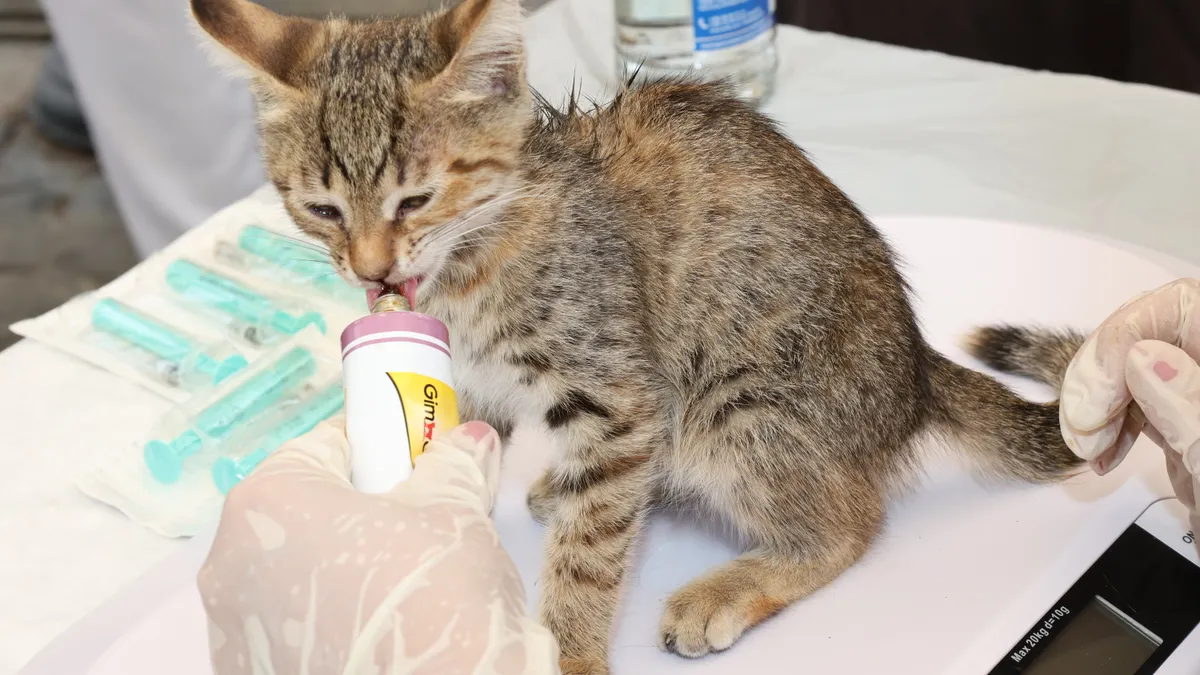
This guide is for pet owners who already have a prescribed pill, capsule, liquid, or chewable and need a calm, repeatable way to get it into a dog or cat without a struggle. You should already have the medication label, know the prescribed schedule, and be able to confirm the drug name and form. Simple tools help: the original bottle or blister pack, a syringe or oral dosing syringe for liquids, a pill pocket for pets or a similar food wrapper if your clinician says food is allowed, a pill splitter if the tablet is meant to be split, and a towel for restraint.
Medication administration is a real part of pet medication safety, but it is not the right home task for every situation. Do not improvise if the label says “do not crush,” “do not split,” or “give on an empty stomach” and you cannot follow that exactly. Also, do not force medication into a pet that is actively vomiting, coughing, collapsing, severely lethargic, or showing severe distress. Call the prescribing professional promptly for instructions. The line is thin; crossing it can get messy fast.
The evidence base is large but mixed. PubMed returns 893 records for the 2016–2026 query, and the 100 most relevant were read and summarized below. ClinicalTrials.gov lists 11,091 registered entries, and the first 100 were read and summarized here. That volume does not give you one universal trick. It does show why the label matters more than a pet hack from the internet. For broader context on safe use patterns, the hub page on pet medication safety is the right place to start.
How do you give a dog or cat medicine safely at home?
Match the method to the medicine, prepare the dose in advance, and watch closely for the pet to swallow the full amount. The goal is not just to get the medicine into the mouth; it is to know it actually went in and stayed in. Pick the route that fits the drug, the dose, and the pet.
-
Read the label and pick the correct route before you touch the pet.
Check the drug name, dose form, timing, and any food instructions on the pharmacy label or veterinarian’s directions. If the medicine is a tablet, capsule, or liquid, decide whether it will be given directly or hidden in food. Here is what to see when this works: you can say, out loud, whether it goes with food, on an empty stomach, or by mouth directly. Problem sign: you are guessing, or the label has a warning you do not understand. -
Gather the exact tools you need and nothing extra.
Lay out a syringe for liquid medicine, a pill pocket if approved, a small amount of food if hiding pills in food is allowed, a pill splitter if the tablet is scored and the label allows splitting, and a towel for safe holding. Keep the pet’s water nearby. Everything should be within arm’s reach before the pet is called over. Problem sign: you have to walk away mid-dose. -
Prepare the dose with accuracy, not by eye.
Measure liquid medicine with the oral syringe, not a kitchen spoon. If a tablet must be split, use the pill splitter rather than a knife. If the medicine is meant to stay whole, do not crush or split it. The liquid line should match the prescribed amount, and the tablet pieces are even if splitting was approved. Problem sign: cracked tablets, spilled liquid, or an uncertain amount. -
Choose the least stressful method that still fits the drug.
Some pets do well with a pill pocket for pets if the pill is small enough and the food is allowed. Others do better with direct placement into the mouth because they spit out food wrappers. With liquids, the syringe usually goes into the side of the mouth, not straight down the throat. The pet should stay still enough to open the mouth or take the treat without panic. Problem sign: repeated backing away, pawing at the mouth, or refusal after one failed attempt. If that happens, stop and reset or consult a veterinary professional before trying again. Sometimes the “easy” route is just a trap in nicer packaging. -
If giving a pill directly, place it fast and follow with a swallow cue.
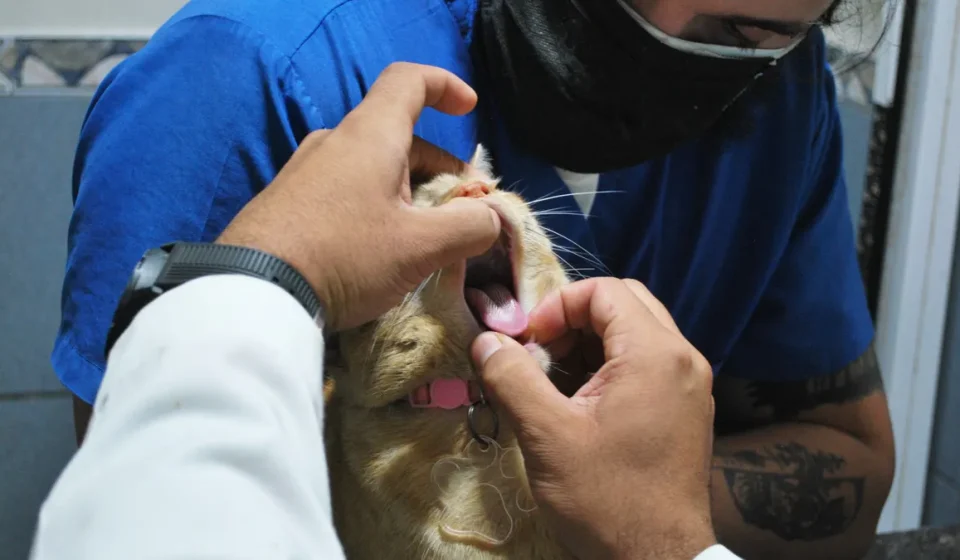
Gently tilt the head only as needed, open the mouth, place the pill over the tongue or as far back as is safe, then close the mouth and encourage swallowing with a small sip of water or a treat if the label allows. A towel can help keep front legs contained without squeezing the chest. The throat should move and the pet should not immediately spit the pill out. Problem sign: chewing the tablet, foaming, or hiding the pill in the cheek. If the pet will not cooperate, consult a veterinary professional before forcing the dose. -
If giving liquid medicine, use the syringe slowly and to the cheek pocket.
Insert the syringe tip just inside the cheek, aim at the side of the mouth, and give small amounts so the pet has time to swallow. Avoid squirting the liquid to the back of the throat, which raises the chance of coughing or aspiration, a term for liquid going toward the airway instead of the esophagus. The pet should swallow in short pauses rather than coughing or choking. Problem sign: liquid dribbling out, coughing, or head shaking. Do it in pulses, not one blast. -
Watch the pet for 1 to 2 minutes after the dose.
Stay close long enough to confirm swallowing. Some cats and dogs will hold a pill in the mouth, then spit it out behind a chair or under a bed. No pill should be on the floor, no residue in the cheek, and swallowing should look normal. Problem sign: the dose is found later on the ground, or the pet is drooling unusual amounts. -
Record the dose immediately.
Mark the time on the label, a phone note, or a medication chart. This matters most for medicines with a twice-daily or once-daily schedule, where missed or doubled doses create confusion. The time should be written down before you move on to anything else. Problem sign: “I’ll remember” becomes a missed or repeated dose.
What should I do if my pet refuses the medicine?
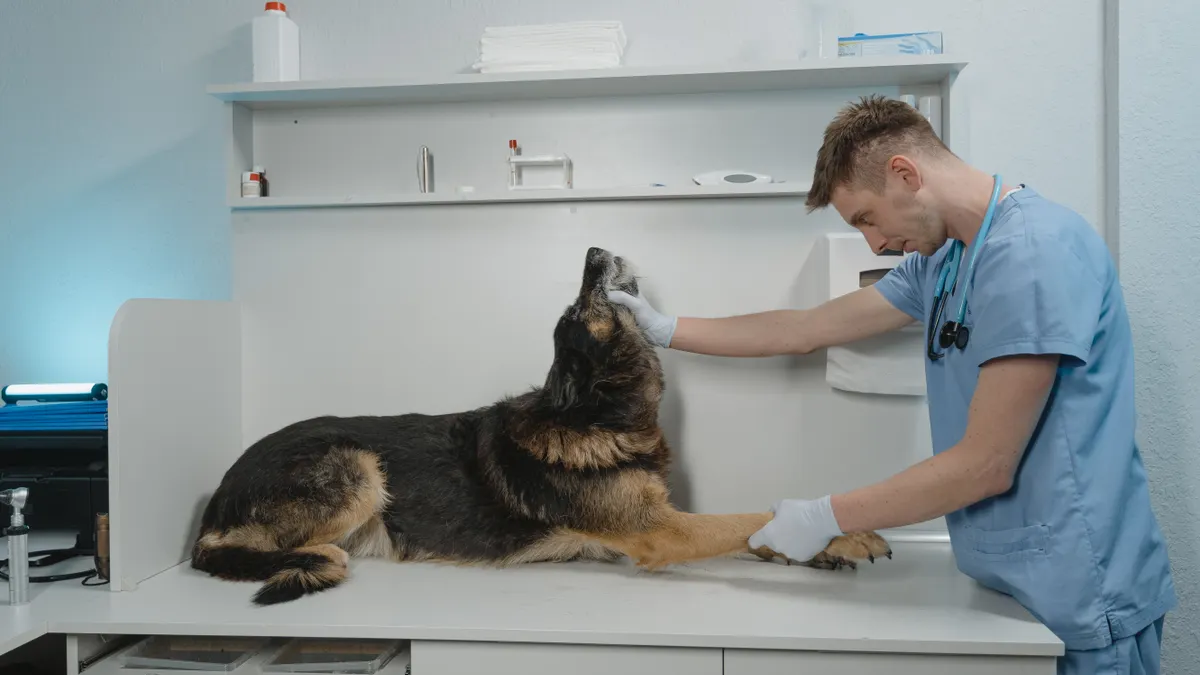
Stop the struggle and reset before the pet learns to fight harder. Refusal is often a technique problem, not a “stubborn pet” problem, and forcing repeated attempts can make the next dose harder by a lot.
If the pill is small and the label allows food, a pill pocket may work better than hiding the tablet in a full meal. Keep the wrapped treat small so the pet cannot spit out the center and eat around it, and check with your veterinarian if you are unsure the medicine can be given this way. For cats, a teaspoon-sized amount of strongly scented food may work better than a full bowl, because you can tell whether the entire dose disappeared. For dogs, one or two small bites often work better than a large serving that gets abandoned halfway through.
After one refusal, do not keep chasing with the same method. Reset the scene, offer a calmer approach, or wait for instructions from the prescribing professional. A pet that is wrestling, thrashing, or clamping the mouth shut is at higher risk of injury and of getting only part of the dose. The practical goal is a clean administration in one or two calm tries, not a marathon.
A useful rule: if the medication is essential and the pet consistently refuses the assigned form, ask whether the drug can be compounded, flavored, or switched to a different formulation. That is a clinical decision, not a home workaround. Many tablets and liquids are not interchangeable, and the label matters more than the pet’s preference.
When should I stop and call for help?
Stop and get qualified help whenever the medicine, the pet, or the reaction makes home dosing unsafe. These are the situations that change the job from routine administration to a call for instructions.
The label says “do not crush,” “do not split,” or “give with food,” and I cannot follow that exactly: the formulation may depend on how it is taken — call the prescribing professional or pharmacist before giving it.
My pet coughs, gags, or struggles to breathe while I try to give liquid medicine: the liquid may be entering the airway — stop and seek prompt veterinary guidance.
The pill is found later on the floor or in the cheek: the dose was not fully delivered — do not guess about a repeat dose; ask how to proceed.
My pet vomits soon after the medicine: the dose may not have been absorbed, and repeating it blindly can create a double-dose risk — call for instructions on whether to re-dose.
My pet is extremely aggressive, panicked, or impossible to hold safely: the chance of injury to both pet and person is too high — stop and ask about a different formulation or administration plan.
The medicine was not prescribed for this animal or this condition: the wrong drug or wrong use can cause harm — do not give it, and contact a veterinarian.
Those are not “be careful” warnings; they are the point where the standard home method is the wrong tool. A 10-second phone call is cheaper than a bad dose.
The mistakes people actually make, and what they cost
The most common errors are simple, and they matter because they change how much medicine the pet actually gets.
Using a kitchen spoon for liquid medicine wastes accuracy. The correct alternative is an oral syringe, which shows the measured line clearly.
Crushing or splitting a tablet without checking the label can change how the drug behaves or taste. The correct alternative is to use a pill splitter only when the medication can be split safely.
Hiding a pill in a full bowl of food often means you cannot tell if the pet swallowed the dose. The correct alternative is a tiny amount of food or a pill pocket, followed by a mouth check.
Giving liquid medicine too fast can trigger coughing, gagging, or spit-out. The correct alternative is to deliver small amounts into the cheek pocket and pause for swallowing.
Stopping after the pet “took it” once is risky because many dogs and cats spit pills out later. The correct alternative is to watch for 1 to 2 minutes and check the floor or bedding.
Using force when the pet is panicking can lead to bites, scratches, and a stronger aversion next time. The correct alternative is to stop, reset, and ask for a different administration plan if needed.
This is where a towel earns its place: not as a weapon, but as a calm restraint that keeps paws from flailing and helps the handler stay steady.
What changes with cats, dogs, pills, and liquids?
The basic goal is the same, but the technique changes because the mouth and temperament are different. Cats usually have a smaller mouth, faster refusal, and a stronger tendency to spit out a hidden pill, so the food wrapper has to be tiny and the direct dose has to be quick. Dogs may accept a pill pocket more readily, but a large treat can still be chewed open and the pill found inside. If the pet is sensitive, ask a veterinary professional which method is safest before you try again.
Liquid medicine usually works best when the pet will not take pills or when the prescription is already a liquid formulation. The oral syringe matters here because it gives control over the amount and the speed. One common mistake is aiming the liquid straight back; the safer approach is to place the tip at the side of the mouth and let the pet swallow in short bursts.
A pill splitter is useful only for tablets that are designed to be split or that the label explicitly permits to be split. A capsule should not be opened casually. If the medicine tastes bitter, expect resistance; bitter taste often drives drooling and spit-out even when the dose is correct.
There is also a trade-off with food hiding: it can reduce stress, but it can also hide failure. If the pet is the type to lick off the outside and leave the center, direct administration is usually better. That judgment call is part of safe home dosing, not a sign that one method is “better” in all cases.
What should a good result look like?
A good result looks boring. The medicine goes in, the pet swallows it once, and nothing else happens except the routine itself.
That means the dose was prepared cleanly, the form matched the label, the pet did not need repeated restraint, and you could confirm the medication was not left in the cheek, on the floor, or in the food bowl. It also means you know when the next dose is due and whether any follow-up instructions were given with the prescription. For many prescriptions, the exact schedule matters as much as the technique.
If you want the wider safety picture, the hub on pet medication safety should sit next to this guide, not replace it. This article is about the hands-on task at home: the pill pocket, the pill splitter, the syringe, the towel, and the moment you need to stop and ask for help instead of guessing.
How do I give a cat a pill?
A cat pill goes best when the pill is prepared first, the cat is held calmly, and you can verify the pill was swallowed. Small food wrappers like a pill pocket for pets may work if the tablet is allowed to be given with food, but some cats pick around the center. If that happens, ask the prescribing professional about another form.
How do I give a dog liquid medicine?
A dog liquid medicine dose usually goes by oral syringe into the side of the mouth, in small amounts, with pauses for swallowing. The syringe lets you measure the dose more accurately than a spoon. If the dog coughs, spits, or fights so hard that the liquid is being lost, stop and ask for instructions.
What if my pet spits out medicine?
If your pet spits out medicine, do not automatically give another full dose. First check whether any of the dose may have been swallowed, then look for the tablet or liquid on the floor, in the cheek, or in the bedding. If you cannot tell what happened, contact the prescribing professional or veterinarian before giving more.
Drafted with AI; not yet reviewed by a person.