How to Safely Remove a Splinter, Foxtail, or Thorn from a Pet

Last updated: October 23, 2026
Key Takeaways
- A shallow splinter, thorn tip, or grass seed fragment may be removed with tweezers, saline, and close watching afterward.
- Gather tweezers, saline, gloves, and a way to stop rubbing for the next 12 to 24 hours.
- Begin with restraint, bright light, and a straight pull from the exposed end when it is clearly reachable.
- Foxtails barbs catch in tissue, and ear canals are narrow, curved, and easy to injure.
A splinter, foxtail, or thorn stuck in a dog or cat should come out only when it is shallow, easy to grip, and nowhere near an eye, ear canal, nose, or deep pad tissue. Can’t see the end? Can’t hold the pet still? Then stop and let a veterinarian take it from there. Honestly, that is the safer call far more often than people want to admit. In practical terms, this article on how to safely remove a splinter, foxtail, or thorn from a pet is for the cases you can see clearly and reach safely.
The fastest safe way to handle an embedded foreign object
A shallow object in a paw or skin fold usually comes out with a short, controlled pull and clean tweezers. Not every case fits that pattern. Deep foxtail in the ear, a thorn under the eyelid, or anything that crumbles as you pull? Wrong job for home care.
A pet’s skin and paw tissue bruise easily. One bad grab can push the object farther in or snap off the visible end. Foxtails are especially slippery in a bad way because the barbed seed head can migrate and keep moving. So the first step is judgment: is this actually removable at home? For broader pet safety guidance, see the pet first aid guide and dog paw care tips.
Wear gloves if you have them. Small puncture debris can be dirty, and a frightened pet may jerk without warning. Keep saline, tweezers, and an Elizabethan collar close before you begin. If the pet is squinting, head-shaking, limping hard, or acting like the object is in the eye or ear canal, don’t start digging. The wrong attempt can create more pain and make the veterinary removal messier later. Need a quick read on urgency? The emergency vet signs page may help.
For a simple, shallow splinter in skin, this page gives the practical sequence. When the object sits in a risky spot or the end is hidden, the better move is to stop and get help.
What you need before you start
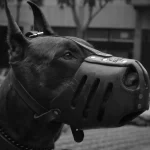
Have tweezers, saline, clean gloves, and a way to keep the pet from rubbing the area for the next 12 to 24 hours. A calm helper helps with most dogs and many cats. Bigger or anxious pets may do better with a towel wrap or muzzle than with a one-person tug-of-war.
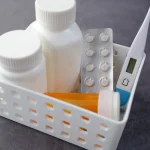
Gather these items first:
- Tweezers with a fine tip
- Saline or sterile eye wash
- Clean gloves
- Gauze or a clean cloth
- An Elizabethan collar if the pet keeps pawing or licking
- A bright light or flashlight
The light matters because you need to see the end clearly; pulling blind is how a tiny splinter turns into a deeper one. Saline helps wash away loose grit after removal and makes the site easier to inspect. The collar matters because dogs and cats will often reopen the area within 5 minutes if they’re allowed to lick or rub. Five minutes. That’s all it takes.
If the object is in the ear, do not pour liquid deep into the canal just to “rinse it out.” That can shove debris farther in. If it is in the nose, do not probe. Sneezing and sudden movement make those spots risky in a way the paw is not. For eye or ear concerns, the pet eye injury guide and ear infection symptoms in pets pages cover next steps.
How to safely remove a splinter from a dog or cat
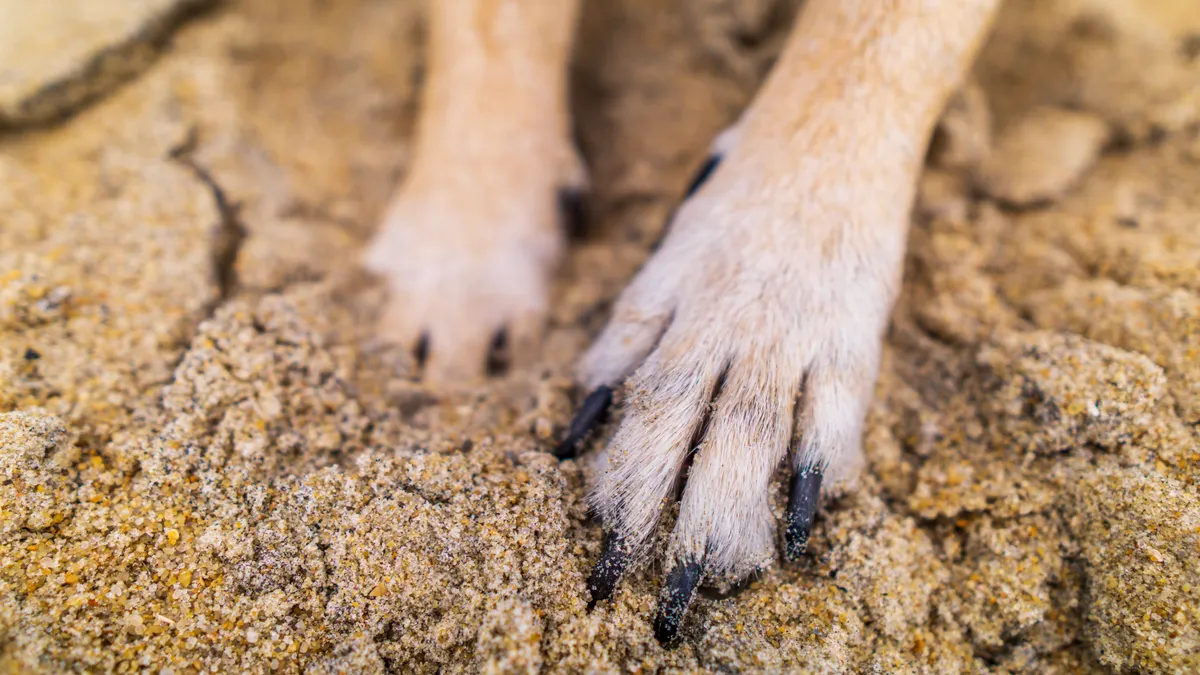
Start with restraint, good light, and a straight pull from the exposed end if you can grasp it cleanly. That method fits a shallow splinter, thorn tip, or grass seed fragment on the paw pad, toe web, or surface skin. The goal is simple: get the whole piece out in one motion, not by digging around it.
-
Wash your hands and put on gloves.
Clean hands lower the chance of pushing dirt into the puncture. If the pet jerks or you lose your grip, gloves also give you better control than bare fingers. -
Set the pet on a stable surface and keep the area well lit.
A table, countertop, or floor with a towel works better than a slippery couch. You should be able to see the end of the object and the skin around it clearly. -
Part the fur and inspect the spot before touching it.
Look for swelling, bleeding, a hidden second fragment, or a red track around the object. If you cannot see the full length or the object disappears under the skin, stop there. -
Grasp the exposed end with tweezers close to the skin.
Hold as near to the skin as you can without pinching the pet. A firm grip at the base is better than trying to lift the tip from far away, which usually bends or breaks it. -
Pull in the same direction the object entered.
Use one slow, steady motion. If the object starts to crumble, slips, or seems anchored, do not keep yanking. A clean 2-second pull is better than 20 seconds of force. -
Check the tip after removal to make sure the whole piece came out.
A complete splinter, thorn, or foxtail fragment should look intact. If part of it is missing, assume a piece remains and do not dig aggressively. -
Rinse the area with saline.
Use enough saline to wash away loose debris and make the area easier to inspect. You should see the surface look cleaner, not crusted over with dirt. -
Prevent licking, rubbing, or head-shaking for the next several hours.
Use an Elizabethan collar if needed. The site should stay calm, not get redder or swell further over the next 1 to 2 hours.
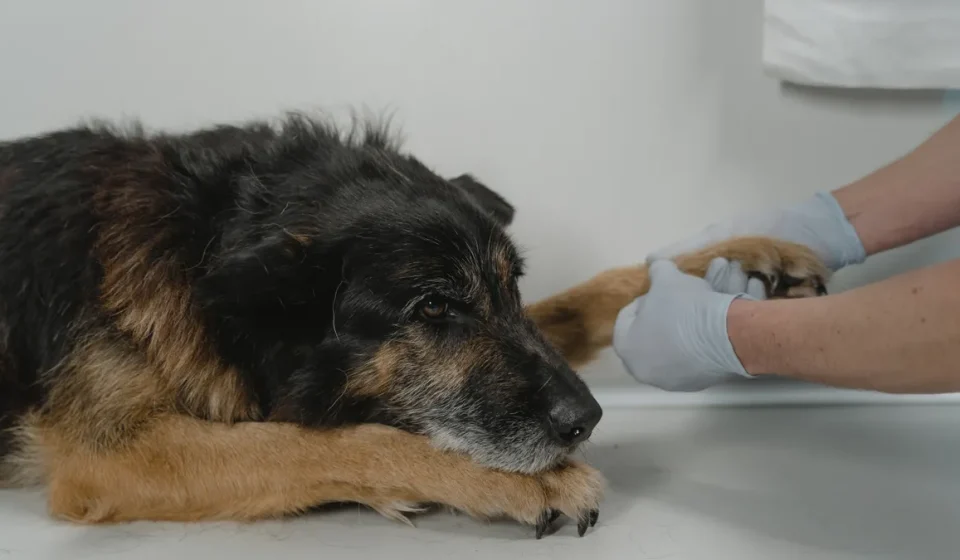
If the object is in a paw pad and the pet will not hold still, do not turn it into a wrestling match. Pause, reset, and try again only if the situation still looks simple. A deeper puncture can become a worse problem than the original splinter. For more detail on paw care, see the dog paw injury care article.
Can I remove a foxtail from my pet’s ear or paw?
A visible foxtail in a paw can come out if it is shallow and the exposed end is easy to grasp, but a foxtail in the ear is usually not a home job. Its barbs catch in tissue, and ear canals are narrow, curved, and easy to injure. In a few seconds, the wrong move can drive the seed head deeper. Location beats confidence every time.
For a paw, the same rule still applies: remove only what you can see clearly and hold easily. If the foxtail is wedged between toes or tucked under a flap of skin, stop probing. A small wound can become a deeper tract if you keep working at it with tweezers.
For an ear, watch for head shaking, pawing at one ear, tilting the head, or sudden pain when the ear is touched. Do not pour oil, water, or saline deep into the canal to “float it out.” That is not a reliable fix, and it can make the canal harder to examine later. A veterinarian usually needs proper equipment to look inside.
Foxtails matter because they can migrate. If one is suspected in a paw, ear, nose, or eye, stop once the visible part is gone or if the object will not come out cleanly. This is one of the places where home removal fails most often, and where patience matters more than force. For more on small-animal first aid, the cat safety basics page is another useful reference.
Cleaning after removal and keeping the area calm
Rinse the site with saline, dry it gently, and watch the pet over the next 24 to 48 hours. That aftercare helps the skin settle instead of turning a tiny puncture into an irritated sore. If the object was in a paw, keep the dog or cat away from dirt, gravel, or wet grass for the rest of the day. Mud and grit are a lousy follow-up.
Use saline rather than harsh antiseptics on sensitive spots unless your veterinarian has told you otherwise. The point is to clear loose debris, not scrub the tissue raw. If the fur is matted with dirt, wipe around the area with clean gauze instead of rubbing hard.
An Elizabethan collar helps when the pet licks or chews at the spot. Even 10 minutes of licking can inflame the area and make it swell. If the pet handles touch poorly, a collar may save you from repeated battles. For a cat, that may mean the difference between a quiet 24 hours and a worsening puncture.
Keep an eye on the area for tenderness, heat, discharge, bad smell, or a lump forming around the site. Those changes suggest irritation or infection rather than simple healing. If the spot is on a paw, compare it to the other paw. A clear difference in swelling or limping is a clue that something is still wrong.
For a broader safety overview, the hub page on pet safety emergencies is the right place to go after this article.
When to stop pulling and let a vet take over
Stop pulling the moment the object resists, breaks, or sits in a risky location. That is the line. If the visible end is tiny, the pet is painful, or you are not sure the whole piece came out, a veterinary visit is the safer choice.
Leave it alone if any of these are true:
- The object is in the eye, eyelid, ear canal, nose, or deep in the paw pad
- You cannot hold the pet safely for even 30 seconds
- The object snaps, bends, or crumbles as you pull
- There is swelling, pus, strong odor, or a lot of tenderness
- The pet keeps limping, head-shaking, or rubbing after removal
- You suspect a foxtail or thorn fragment may remain
The trade-off is simple: a shallow, visible splinter is reasonable to remove at home; a deep or awkward foreign object is not. Home removal is quickest and cheapest when it works, but it is not worth making the injury worse. This page is not for owners who are trying to dig around inside the ear canal or deep tissue.
If you are unsure after a 1-minute look, that uncertainty is itself a signal. A clean pause is better than turning a small embedded foreign object into a harder procedure.
Signs the site is getting infected after removal
A sore that gets redder, hotter, more swollen, or starts draining after removal needs attention. Those are the clearest early signs that the puncture site is not settling normally. A little soreness for a few hours is common; worsening pain over 1 to 2 days is not.
Watch for these changes:
- Increasing redness around the puncture
- Swelling that spreads instead of shrinking
- Yellow, green, or bloody discharge after the first rinse
- A bad smell
- The pet licking, limping, or shaking the head more than before
- A firm lump under the skin where the object was removed
If the foreign object was on the paw, a pet may seem better for several hours and then start favoring the foot again. That often means a fragment remains or the puncture has become irritated. If it was near the ear, renewed head shaking or scratching is a red flag that the canal still has debris or inflammation.
Do not keep reopening the spot to “check” it every few hours. Repeated poking slows healing and can introduce more dirt. Instead, clean once with saline, keep the pet from licking, and monitor the area through the day and the next morning.
If the site looks worse instead of better after 24 hours, it needs veterinary assessment. That is especially true for a thorn, foxtail, or anything that could have broken apart inside the tissue.
Can I remove a foxtail myself?
You can sometimes remove a foxtail from a paw if the end is fully visible and comes free with tweezers in one smooth pull. You should not try to remove a foxtail from an ear, nose, eye, or any spot you cannot see clearly. Barbs and migration make these cases poor candidates for home removal.
How do I remove a splinter from a dog paw?
Use tweezers to grasp the exposed end close to the skin and pull straight back in the same direction it went in. Rinse with saline afterward and keep the dog from licking the paw for the next several hours. If the splinter is under thick pad skin or won’t budge, stop and let a vet handle it.
When should I leave a foreign object for a vet?
Leave it for a vet if it is in the eye, ear canal, nose, or deep paw tissue, or if it breaks, disappears under the skin, or causes strong pain. You should also stop if the pet will not stay still for a safe 30-second attempt. Deep or risky embedded foreign objects are not home-removal jobs.
Drafted with AI; not yet reviewed by a person.