Last updated: November 05, 2026
Key Takeaways
- Reduce noise, touch, and choices first to keep an injured pet calmer.
- Gather a carrier, leash, towel or blanket, and a direct route before moving the pet.
- Keep an injured dog low, steady, and as straight as possible.
- Calm an injured cat with fewer escape routes, a towel wrap if needed, and quick carrier transfer.
If you need injured pet restraint, the goal is not to “hold them down”; it is to keep a dog or cat from moving enough to worsen pain until transport or veterinary care. This guide on How to Keep a Pet Calm and Still After an Injury gives a quick answer: use the smallest safe handling method, and stop if breathing, fear, or pain escalates.
Injured pet restraint starts with fewer hands, less motion, and a plan
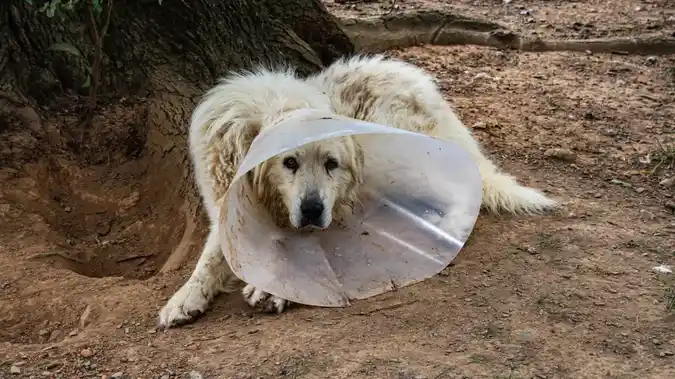
Injured pet restraint works best when I first reduce noise, touch, and choices. Pain makes many dogs and cats snap, squirm, hide, or freeze. A pet that is usually gentle can bite if a paw, rib, neck, or hip hurts.
Before I touch the pet, I clear the path to the door, carrier, or car. I turn off loud TV or music, keep other pets out of the room, and put on shoes with a firm sole. If the pet is on a sofa, bed, or staircase, I do not lift casually from one end. I make the route level first.
The point is to prevent one bad move from turning a painful injury into a harder one. A dog with a sore leg may try to jump off a couch; a cat with back pain may bolt under furniture. Movement does the damage, not stillness. If the pet is already calm, I do not “test” them by checking the injury again and again.
This page is about safe handling and transport preparation, not diagnosis. If the pet is bleeding heavily, seizing, or unconscious, that is a different problem and needs a different plan. The same goes for any situation where the pet cannot breathe normally or cannot stand at all.
For a broader emergency overview, the hub page on pet safety emergencies should sit above this guide. This article stays on one job: keeping the injured animal as quiet and controlled as possible until care is reached.
What you need before you move the pet
You need a carrier, leash, towel or blanket, and a short route to the car or clinic before you start moving an injured pet. If the pet is a dog, I keep a leash clipped on before I open a door. If the pet is a cat, I set the carrier open and ready, ideally with a towel inside.
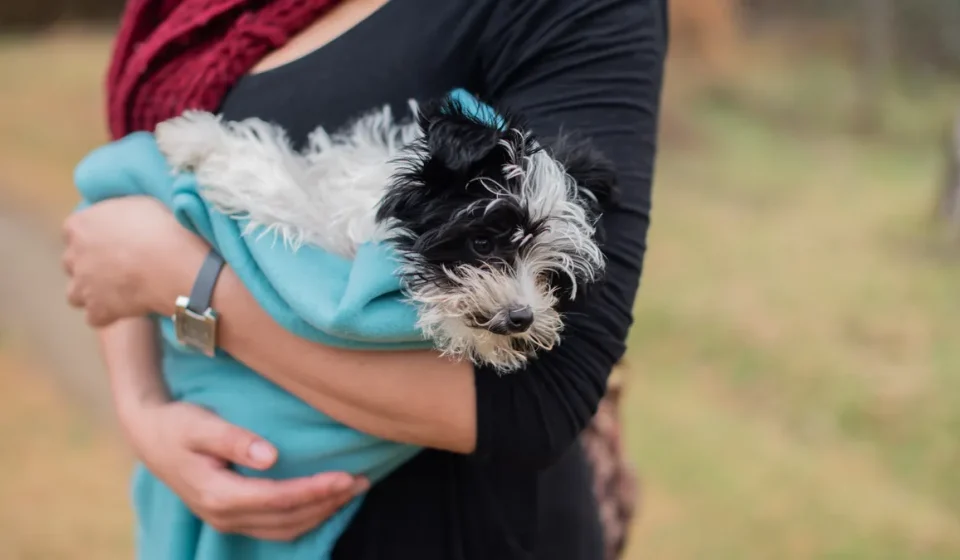
A hard-sided carrier is often the best fit for many cats and small dogs because it gives a fixed shell and limits side-to-side movement. A blanket can help form a soft wrap or a sling for a larger dog, but it is not a substitute for a carrier when the pet is small enough to fit safely inside one. A towel is useful for grip, covering the eyes, or making a simple wrap around the body.
I also want one open floor area, not a cluttered room. Doors should be closed ahead of time. If I have to cross steps, I look for another route; stairs add a sudden jolt even when the pet stays still.
The tools are simple, but the details matter. A 6-foot leash gives control without a long tangle. A standard cat carrier gives a fixed space that is easier to carry level than a pet in arms. A thick bath towel is usually more useful than a thin dish towel because it can support more body weight and gives better grip.
If the pet is frantic, the carrier or towel should already be in place before I try to pick them up. Preparation is what keeps the handling short.
How to keep a dog calm and still after an injury

Keep an injured dog calm and still by approaching slowly, keeping the leash short, supporting the body under the chest and hind end, and moving in one straight path to the carrier or car. The dog should be lower, closer to the ground, and handled with as little twisting as possible.
- Approach from the side, not straight over the head. I speak in a low, even voice and keep my hands visible. The result I want is a dog that keeps looking at me instead of snapping or scooting backward.
- Clip on a leash before lifting if the dog can stand. A short leash gives control over sudden lunges toward a door or another animal. If the dog is too painful to stand, I skip the forced stand and move to support handling instead.
- Support both ends of the body when lifting. One hand goes under the chest and the other under the hips, keeping the spine as level as possible. If the dog struggles, I set them down and reset rather than wrestling through the lift.
- Use a blanket as a stretcher for a larger dog when needed. A heavy blanket can be slid under the body and used by two people to keep the dog level. The result should be a smoother carry with less leg kicking and less arching.
- Keep the dog in a crate or small room during transport prep. Once secured, the dog should usually have less chance to pace, turn, or jump, but a veterinarian or trained professional may advise a different setup. A crate or carrier should be just large enough to lie down and turn minimally, not roomy enough to bounce around.
- Stop if the dog is escalating. If the dog starts panting hard, growling, or thrashing, I back off and try a different method. Pain plus fear can turn a simple restraint into a bite risk in seconds.
A muzzle can be appropriate for an injured dog if the dog is awake, able to breathe normally, and likely to bite during handling. It is not a fix for panic, and it should never be used if breathing is already difficult. A muzzle may buy a small window for safe transport prep, but it also reduces comfort, so it should be used only when needed and only briefly. If you are unsure, consult a veterinarian or other trained professional.
How to keep a cat calm and still after an injury?
Keep an injured cat calm and still by reducing escape routes, using a towel wrap when needed, and moving the cat directly into a carrier without extra handling. Cats usually do better with fewer attempts at restraint and more confinement.
A cat that hides under a bed or chair should not be dragged out by the legs or tail. That turns fear into a fight. I block the exit, slide a towel or blanket nearby, and use gentle pressure to guide the cat into a corner or toward the carrier. If the cat is small enough, the carrier should be placed upright and opened before I touch the cat.
A towel wrap can help when the cat is awake and squirming. I lay the towel flat, place the cat on it, and fold the sides snugly around the body, leaving the head only as exposed as needed for air and observation. The aim is a burrito-style wrap that reduces clawing and jerking without compressing the chest. A cat should never be wrapped so tightly that breathing looks effortful.
For many cats, a carrier is often the safest restraint tool because it can become the restraint. I do not keep a cat loose in a car seat or my lap. Even a scared cat that seems “still” can bolt, hide under pedals, or claw at the driver. A closed carrier keeps the animal from falling, jumping, or digging into someone’s arm.
If the cat refuses to enter a carrier, I do not shake, chase, or tip the carrier hard. I try a towel-guided slide, a low-angle lift, or a different carrier opening if available. One minute of calm setup is better than five minutes of cornering a painful cat.
How to use a towel, blanket, carrier, leash, and muzzle without making things worse
Use each restraint tool for one job only, and do not stack them carelessly. A towel is for support and cover, a blanket is for a larger carry or wrap, a carrier is for confinement, a leash is for direction, and a muzzle is only for bite prevention when breathing is normal.
The common mistake is improvising too much at once. A leash around a cat neck is not a safe substitute for a carrier. A blanket thrown over a dog can make the dog more upset if it blocks vision and traps the body loosely. A muzzle on a dog with labored breathing can make the situation dangerous fast. The tool must fit the species, the injury, and the pet’s state.
A blanket wrap works best when it is smooth and close to the body. I tuck loose corners so paws do not catch and twist. If the pet keeps slipping sideways, the wrap is too loose or the route is too fast. For a dog, the blanket can also protect the handler’s forearms from claws or sudden grabbing.
A carrier should be stable on the floor before the pet enters. I do not hold it in the air while trying to “aim” an injured cat into it. The floor is safer because the pet can step or slide in with less risk of falling. Once inside, I secure the door before moving the carrier. If you are unsure about the safest setup, consult a veterinarian or trained animal handler.
A leash should be short, not taut like a rope in a tug-of-war. A tight leash can pull against a painful neck, shoulder, or rib area. A short, loose lead gives control without constant pressure.
A muzzle, when appropriate, is for a brief phase of handling. It is not a long-term solution. If the pet is a dog and I need one, I choose the correct size and keep checking that breathing remains easy.
Transport prep is part of calming the pet, not separate from it
Transport prep calms an injured pet when I make the ride quiet, level, and brief. The fewer times I lift, turn, or set the pet down, the better the odds that pain stays contained.
I line the carrier or transport area with a towel or blanket so the pet does not slide. A slick plastic base can make an injured dog or cat brace hard with every turn of the car. The surface should be stable, not plush enough to let the body sink and twist.
If I am carrying the pet to the car, I keep the route direct and avoid stairs when possible. I do not stop to show the pet to another person or let children touch them. Extra handling adds motion and often adds fear.
In the car, the carrier should stay level and secure, if a veterinarian or other trained professional has not advised a different position. I place it on the floor behind the front seat or another stable area where it will not tip. A pet loose in a car can launch, spin, or fall even from a short stop. For a larger dog, a level surface with little room to shift is usually a safer setup, though the right arrangement depends on the injury and the animal.
I also keep the ride quiet. No window down on a cold or windy day, no sharp braking if it can be avoided, and no sudden changes of plan. If the pet starts whining, panting hard, or trying to claw out, I do not open the carrier while moving. I wait until the vehicle is fully stopped.
What this page is not for: long-term home care, wound cleaning, or deciding whether an injury is serious enough to treat. Those are separate problems. This article is for the 10 to 20 minutes between “something is wrong” and “the pet is on the way for care.” If the injury seems serious, consult a veterinarian.
Common restraint mistakes that increase pain or panic
The biggest restraint mistakes are lifting too fast, using the wrong tool, and trying to outmuscle fear. Each one increases the chance of a bite, a fall, or a worse injury.
One mistake is grabbing under the belly or chest without supporting the rest of the body. That can twist a sore spine, hip, or rib cage. The safer move is to support both ends at once or use a blanket as a helper.
Another mistake is chasing a pet that is trying to hide. Chasing raises adrenaline and often makes a dog or cat harder to approach. It is better to close doors, reduce the space, and let the pet settle for a moment before trying again.
A third mistake is assuming stillness means safety. A pet that has gone quiet may be shocked, exhausted, or in severe pain. The still pet still needs support and a fast path to care.
A fourth mistake is using a muzzle on a dog that is panting hard, coughing, or struggling to breathe. That can turn a restraint tool into a breathing problem. If breathing looks abnormal, I do not improvise a muzzle.
A fifth mistake is loading the pet into a moving car before the carrier or blanket setup is finished. One unfinished step often becomes three more. It is faster to set up correctly once than to correct a panic episode in the parking lot.
The general rule is simple: if the handling makes the pet louder, wilder, or more twisted, I change the method. Calm restraint should look boring. Boring is what you want.
When to stop handling and get help fast
Stop handling and get veterinary help fast if the pet cannot breathe normally, cannot stand, is unconscious, or becomes too painful to control safely. Those signs mean restraint alone is not the answer.
A pet that is limp, has a pale or blue tongue, or cannot keep its head up needs urgent care, not a longer attempt at restraint. The same is true if the animal is trying to bite every time I come near and I cannot secure them without risking injury to myself or the pet. At that point, the safest move is to minimize handling and get professional help.
This is also the point where a second person may be needed, not to wrestle, but to steady the carrier, hold a door, or help carry a blanket-supported pet level. If the pet is large, injured in the spine or hips, or too heavy to lift without twisting, I do not guess.
If the pet is stable enough to move but still clearly in pain, I still keep the ride short and the handling simple. Then I hand the problem over to a veterinarian as soon as I can. For more emergency handling topics, the pet safety emergencies hub should be the next stop after this guide.
How do I move an injured pet without making it worse?
Move an injured pet by keeping the body level, the route short, and the handling limited to one careful lift or one careful slide. Use a carrier for a cat or small dog when possible, and use a blanket or towel as a support aid for larger animals. If the pet cries, thrashes, or cannot breathe normally, stop and get help.
Should I use a towel to carry a hurt pet?
Yes, if the towel is being used as support, not as a rough grab. A towel can help lift, cover, or wrap a painful cat or small dog, and it can reduce clawing. It should not dig into the neck or belly, and it should not replace a proper carrier when a carrier is available.
When is a muzzle appropriate for an injured dog?
A muzzle is appropriate only when the dog is awake, can breathe normally, and is likely to bite during brief handling. If breathing is difficult or you are unsure, consult a veterinarian or other trained professional instead.
Drafted with AI; not yet reviewed by a person.