Last updated: October 23, 2026
Key Takeaways
- A soft treat or pill pocket can hide a pill in one bite, but watch for leftovers.
- Give a plain treat, then the medicated one, then another plain treat.
- If the pet, drug, or swallow pattern makes hiding medicine risky, ask a qualified professional.
- The biggest mistake is using a hiding food that is too large.
A pill pocket is often the easiest place to start when you need to hide pet medicine in food, but the safest method depends on the tablet, the animal, and whether the whole dose actually gets swallowed. This guide on how to use a pill pocket or food to hide pet medicine safely is for dogs and cats, and if this is your pet’s first time with a new medicine, speak with a qualified veterinarian or pharmacist about whether food is appropriate for that specific drug.
Who this is for — and what you need first
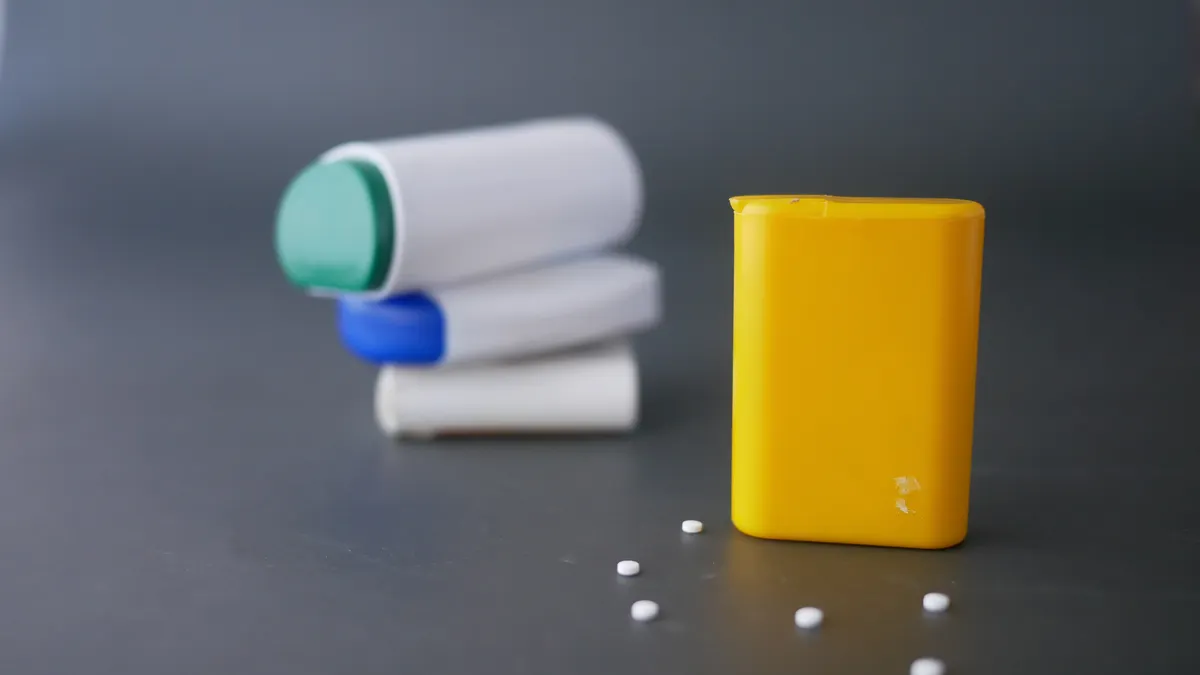
This guide is for dogs and cats that refuse a prescription tablet, spit out a capsule, or eat around medicine hidden in a bowl. It assumes you already have the medicine in hand, know the exact label directions from the prescriber, and have a plan for giving the dose without guessing. It also assumes the drug is meant to be given by mouth and that you are not trying to crush, split, or mix it on your own without checking whether that is allowed.
A pill pocket is a soft, shaped treat with a hollow center made for hiding a tablet or capsule. It is often a clean option because the medicine stays buried in a single bite instead of being spread through a full meal. Wet food, a small amount of cheese, or another treat sometimes works too, but those options can fail if the pet eats around the medicine or if the drug should not be taken with certain foods.
This is not the right approach for every pet or every prescription tablet. Some medicines have food restrictions, some are meant to be given on an empty stomach, and some should never be crushed or mixed into a larger portion of food. The safest next step for those cases is to ask the prescriber, a veterinary nurse, or a pharmacist how that specific medicine should be given.
For context, this topic is studied often: 893 PubMed records match this query for 2016–2026, and the 100 most relevant were read using the method described in the data notes below; 11,091 trials are registered on ClinicalTrials.gov for this term, and the first 100 were read the same way, all as computed on 2026-10-20. That volume is one reason a general rule is rarely enough for a pet’s own prescription tablet.
How do I hide a pill in a pill pocket without losing the dose?
You hide the medicine in a pill pocket by making the treat the size of one bite, sealing the tablet completely inside it, and offering it before the pet has time to inspect, lick, or split it open.
- Check the label and the tablet first. Confirm the medicine name, the form, and whether the directions mention food, crushing, or splitting. A plain tablet that is meant to be swallowed whole is different from a chewable or coated product. What worked is simple: you can identify the exact pill and know that food is allowed. A problem sign is any direction you cannot interpret confidently; in that case, stop and verify with the prescriber or pharmacist before mixing it with food.
- Wash your hands and prepare one small pill pocket. Use a single pill pocket or a pea-to-grape-sized piece of soft food, not a full handful. The goal is one bite, not a meal. What worked is a small, moldable portion that can fully surround the tablet. A problem sign is a large ball or a sticky lump that will force the pet to chew for a long time, which raises the chance of finding the medicine.
- Insert the tablet fully into the center. Push the prescription tablet deep enough that no hard edge is exposed. If the medicine is a capsule, keep it centered so it cannot slide out. What worked is a sealed treat with no visible pill surface. A problem sign is any crack, seam, or exposed corner, because many pets use their tongue to feel for it and spit it out.
- Seal the opening with your fingers. Pinch the dough closed until the outside is smooth. Do not flatten the treat into a disk. What worked is a closed pocket that feels uniform and soft on the outside. A problem sign is a pinched seam that opens when squeezed lightly, which can let the pill fall out before the pet swallows it.
- Offer the treat alone, not in a bowl of food. Hold it out by hand or place it on a clean surface so the pet takes one bite at a time. For many pets, a stand-alone treat is easier to swallow than medicine buried in 10 to 20 pieces of kibble. What worked is immediate swallowing or one clean gulp. A problem sign is chewing slowly, dropping the treat, or rolling it around the mouth.
- Watch the mouth for 30 to 60 seconds. Stay close long enough to see whether the pet swallowed, tucked the treat into the cheek, or spit it out later. Do not assume a head toss means success. What worked is the treat disappearing and no pill landing on the floor. A problem sign is lip licking, repeated chewing, or sneaking away with the treat unobserved.
- Check the area after the swallow. Look on the floor, under the tongue if the pet allows handling, and in the bowl or nap spot. Small tablets can hide in fur, between toes, or under furniture. What worked is no pill left behind anywhere. A problem sign is a wet but intact pill on the floor or in a corner, which means the full dose may not have gone in.
- Record the dose if the medicine schedule matters. Mark the time you gave it so you do not guess later. A phone note is enough. What worked is a clear timestamp tied to that dose. A problem sign is uncertainty about whether the pet got the medicine at all; when that happens, ask the prescribing clinic for next steps instead of doubling up on your own.
A useful detail: many pill pockets are designed to be molded around one tablet, but they are not magic. If your pet learns to chew the outside and spit out the center, the method still fails. The solution is usually a smaller portion, a different food texture, or a different administration plan from the veterinary team. This is also where a link to your broader pet medication safety hub belongs, because hiding a pill is only one part of making the dose safe.
What foods are safest for hiding pet medicine?
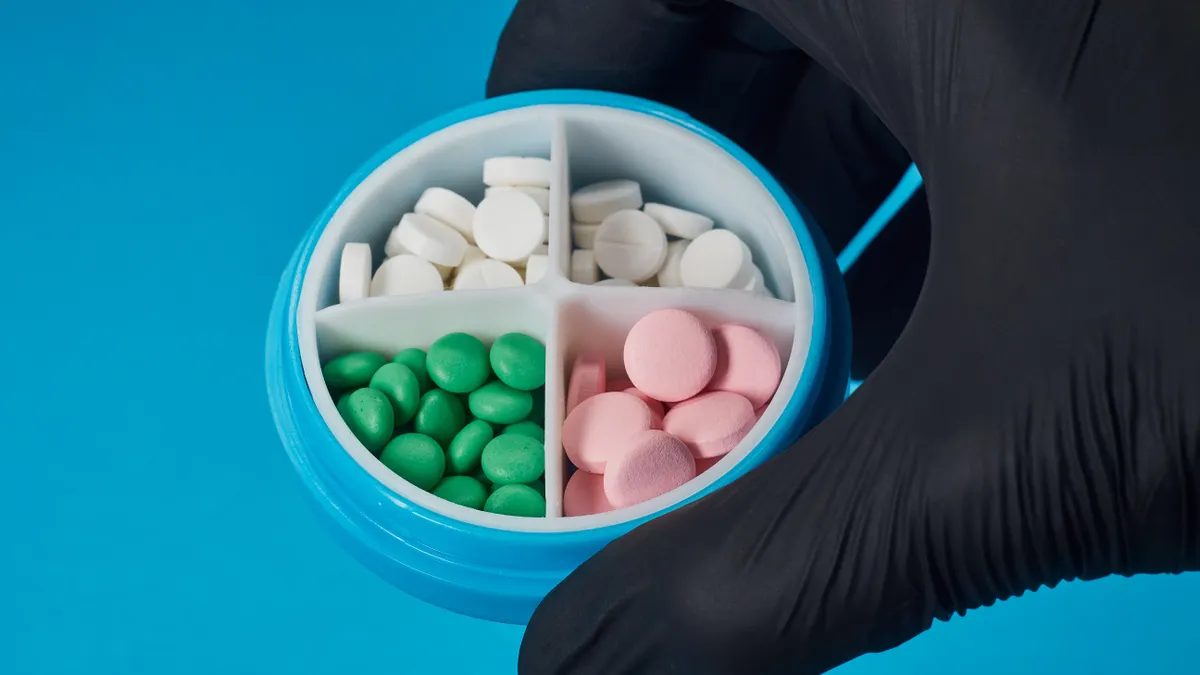
The safest foods for hiding pet medicine are bland, soft, and small enough that the pet swallows in one bite, but the right choice still depends on the medicine itself and the animal’s usual diet.
A wet food meatball, a commercial pill pocket, or another soft treat can work because the pill is hard to detect in a smooth texture. Many readers choose wet food for cats because they are often cautious about new textures, while dogs may do better with a pill pocket or a favored treat. The key is not “what is tastiest”; the key is “what will be eaten in one swallow without making the pill obvious.”
Size matters. A piece should be just large enough to cover the medicine. If you use a tablespoon or two of food, the pet may eat part of it and leave the pill behind, or it may take longer than 1 swallow to finish. One small bite is easier to supervise than a bowlful. Texture matters too. Dry kibble is usually a poor hiding place because the pill is easy to feel and easy to spit out. Sticky foods can smear the tablet but still leave it exposed.
This is where drug-food interactions matter. Some prescription tablets are intended to be taken with food, while others are not. Some should not be hidden in fatty foods or dairy products, and some are more likely to irritate the stomach if given the wrong way. I am not naming a universal safe food here, because there is no universal answer. The right food has to fit the exact medicine and the pet’s health history.
If the pet has a history of vomiting, food allergies, pancreatitis, diabetes, or a restricted diet, the usual “just hide it in cheese” advice can be the wrong tool. In those cases, the practical question is not whether a food is tasty; it is whether that food changes the medicine’s effect or conflicts with the pet’s diet. A veterinarian or pharmacist can check that in a minute with the label in front of them.
How do I keep a picky pet from spitting the pill out?
A picky pet usually does better with a small, fast swallow, a “bait and switch” approach, or a two-treat method than with a large hidden pill that has to be chewed.
The simplest trick is to give one plain treat first, then the hidden pill in the second treat, then a third plain treat immediately after. That sequence can reduce suspicion because the pet is less focused on inspecting each bite. This works best with pets that are food-motivated and do not chew every bite slowly. If the medicine is hidden in a single piece, the pet may pause, roll it around, and detect the tablet.
Another useful approach is to keep the treat size very small. A pet that can swallow a piece in one motion is less likely to separate the pill from the food. Large chunks make detection easier. For cats, a smooth, soft texture often helps more than a dense lump. For dogs, a favored soft treat or pill pocket may be enough, especially if the treat is offered when the dog is relaxed and not distracted.
Timing helps too. Give the medicine before a meal only if the label and the veterinarian say that is appropriate. Some pets are more willing to take a hidden pill when they are slightly hungry, but that does not override drug instructions. If the medicine must be given with food, use a small amount of the allowed food and then offer the rest of the meal after you are sure the first bite is gone.
If the pet reliably eats around the medicine, stop using a bigger portion of food as the hiding place. That usually makes the problem worse. A better alternative is to switch to a pill pocket, ask whether the medicine can be formulated differently, or have the clinic demonstrate a direct-pill technique. The main goal is not to trick the pet; it is to make sure the prescription tablet reaches the stomach intact.
What should make me stop and call the vet before I try again?
You should stop and ask a qualified professional whenever the medicine, the pet, or the swallowing behavior makes the food trick unreliable or potentially unsafe.
The label says “with food,” “without food,” “do not crush,” or “do not split” and you are unsure what that means: the medicine may have absorption or stability issues — call the prescribing clinic or a pharmacist before using any hiding food.
The pet has diabetes, pancreatitis, a strict prescription diet, food allergies, or a recent digestive upset: the hiding food may conflict with the diet or irritate the gut — ask for a specific approved option instead of improvising.
The tablet is repeatedly found on the floor, in the bowl, or in saliva: the pet is not taking the full dose — stop repeating the same method and ask for a different administration plan.
The medicine is a capsule, coated tablet, or extended-release product and the label does not clearly allow alteration: changing the form may change how it works — get professional advice before breaking the tablet apart or hiding it in food.
The pet bites the treat open, chews it to pieces, or hides it in the cheek: the dose is not being swallowed consistently — use a different method rather than assuming “most of it went down.”
The pet vomits shortly after taking the hidden medicine: the dose may not have been absorbed — contact the clinic for guidance on what that means for this specific medication.
The mistakes people make with pill pockets
The most common mistake is making the hiding food too large. A big meatball or a generous scoop of wet food gives the pet time to inspect the treat and leave the pill behind. The better alternative is one small bite, not a full serving.
A second mistake is changing the tablet form without checking. Crushing or splitting a prescription tablet may make a dose impossible to estimate or may alter how the drug is absorbed. The safer alternative is to ask whether that medicine can be altered at all.
A third mistake is assuming that a swallowed treat equals a swallowed pill. Many pets swallow the outside and spit the tablet onto the rug a few seconds later. The fix is to watch long enough to verify the mouth is empty and the pill is not on the floor.
A fourth mistake is hiding medicine in a high-value food the pet normally gets only as a special treat. Some pets become suspicious if the food suddenly appears only when medicine is involved. A lower-drama treat, used consistently, may work better than a rare favorite.
A fifth mistake is burying medicine in a full bowl of wet food and walking away. That often leads to partial eating, wasted dose, and no way to know what happened. The correct alternative is to use a single bite first, then feed the rest once you know the pill is gone.
A sixth mistake is using the same trick after it has clearly stopped working. Pets learn. If the pill pocket gets examined every time, switch tactics rather than repeating the same failed setup for 7 days in a row.
How do I know the dose actually went in?
You know the dose actually went in when the treat is swallowed, the pill is not visible anywhere, and the pet’s mouth, bowl, and nearby floor are clear after you check.
The first sign of success is simple: the pet takes the treat in one motion and does not return to chew it a second time. The second sign is absence of evidence. Look around the feeding area for a damp tablet, a cracked capsule shell, or a piece stuck to the lip, chin, or paw. A 30- to 60-second watch period catches many failures before the pet wanders off and drops the pill under furniture.
For some pets, a follow-up plain treat helps confirm the swallow because they are more likely to accept a second bite immediately after the first. If the second treat is taken normally, the first one probably went down, but that still is not proof if the pet is skilled at pocketing food. The strongest proof is that you saw the mouth empty and found no tablet afterward.
If you are still unsure, do not give another dose unless the prescriber or pharmacist tells you to. A second dose can be unsafe, and a missed dose can matter depending on the medicine.
Drafted with AI; not yet reviewed by a person.