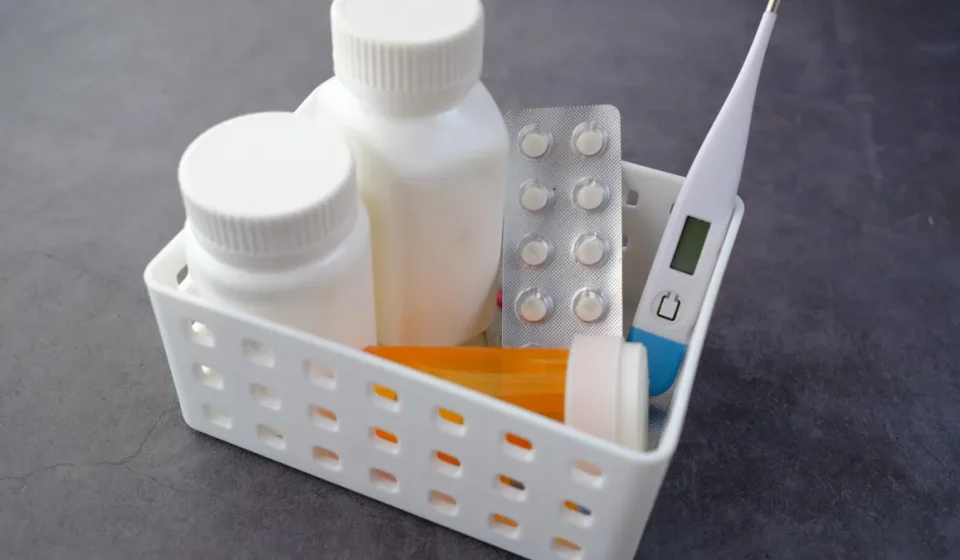
Last updated: October 23, 2026
Key Takeaways
- Store pet medicines in the original package, follow the label, and use a dry, cool, secured place.
- Keep pet medicine in a cool, dry, locked or out-of-reach spot your household can find in an emergency.
- Refrigerate some pet medicines only when the label or your veterinarian says to do so.
- The most common storage mistakes lead to weaker medicine, mix-ups, or accidental swallowing.
Pet medicine storage in How to Store Pet Medicines So They Stay Safe and Effective is about keeping each medicine at the right temperature, in the right container, and out of the wrong hands. If a medicine looks different, smells odd, or sat in the wrong place, ask a qualified veterinarian or pharmacist about your own situation before using it. The FDA advises following the label and asking a pharmacist or veterinarian when directions are unclear. FDA
What pet medicine storage needs to get right
Pet medicine storage applies to anyone keeping prescription or over-the-counter medicines for a dog or cat at home, whether that means one bottle of liquid antibiotics, a monthly chewable, or several ongoing prescriptions. It assumes you already have the medicine label, the original packaging if it came with one, and access to a clean cupboard, a refrigerator, or a lockbox. The goal is not to “hide” medicine at random; it is to preserve potency, reduce accidental access, and make the label easy to check when you need it.
This subject is narrower than general household safety. The question is not where to stash a bottle “somewhere out of sight.” It is how to keep temperature-sensitive products stable, keep children and pets away, and avoid creating a mix-up with human medicine. That matters because storage errors can change how a medicine holds up over time, even before the printed expiration date. If the instructions from the veterinarian, pharmacist, or package insert conflict with anything in this guide, follow the medicine-specific directions first. FDA labeling and veterinary guidance both put the product label first when storage directions differ. FDA
It is also a good idea to treat pet medicine storage as part of the larger pet medication safety system, not as a separate chore. A good storage spot makes dose checks, refill checks, and disposal checks easier later. A bad one does the opposite: a bathroom cabinet steams, a car door pocket heats up, and a loose pill bottle can end up looking like candy. The safest plan is usually simple, but it should still be deliberate.
For context, the evidence base on medication safety and dosing is broad. A PubMed search for 2016–2026 records matching this subject returned 893 records; the 100 most relevant were read and the figures below are computed across them, using PubMed (NCBI), with the sample read on 2026-10-20. ClinicalTrials.gov lists 11,091 registered trials for this term; the first 100 were read and the counts below are computed across them. That does not tell you exactly how to store a specific pet medicine, but it does show this is a live, studied safety topic, not a cosmetic one.
How do I store pet medicines step by step?
You store pet medicines by keeping them in the original packaging, matching the label’s temperature directions, and putting them in a secure place that is dry, cool, and closed. The point is to make the storage spot work for safety and for future checking, not just for convenience. The AVMA advises keeping pet medicines in a secure place and following the label or veterinarian instructions. (Source: AVMA)
- Read the storage line on the label before you put the medicine away. Look for terms such as “refrigerate,” “store at room temperature,” “protect from light,” or a narrower range such as 20°C to 25°C. Verify that you have understood the medicine-specific instruction, not a guess based on the bottle shape. A problem sign is any label you cannot read, any instruction you do not understand, or any package that gives no clear storage direction.
- Keep the medicine in its original packaging whenever possible. Leave tablets, capsules, and liquids in the prescription bottle, blister pack, or manufacturer carton so the name, strength, lot details, and expiry date stay attached to the product. Verify that the label is still legible and attached. A problem sign is loose pills in a baggie, an unlabeled syringe, or a bottle with the cap swapped from another product.
- Choose a place that is dry, dark enough, and away from heat sources. A bedroom drawer, hallway cabinet, or high shelf in a climate-controlled room is usually better than a bathroom or kitchen ledge. Verify that the spot is not next to a stove, sink, radiator, window, or vent. A problem sign is condensation, strong humidity, direct sunlight, or a place that gets warm enough to feel stuffy at 30°C or higher.
- If the label says refrigerate, keep it between 2°C and 8°C unless the label says otherwise. Use the refrigerator compartment, not the freezer, unless the package specifically says to freeze. Verify that the medicine is not touching the freezer wall, not hidden in the door where temperatures swing, and not stored beside uncovered food. A problem sign is a frozen liquid, cracked vial, or any medicine that has been left out long enough that you cannot tell how warm it became.
- Use a lockbox, locked cabinet, or other secure container when children, visitors, or other pets could reach the medicine. Prescription bottles alone do not count as access control. Verify that the latch or lock closes fully and that the container cannot be tipped open from a shelf. A problem sign is a drawer that a child can open, a bottle a dog can knock down, or a place that is “high up” but still reachable from a chair. The ASPCA and FDA both warn that pet medicines should be stored where pets and children cannot reach them. ASPCA, FDA
- Separate pet medicines from human medicines. Keep them on different shelves or in different bins so you do not confuse names, strengths, or directions. Verify that similar-looking bottles are not side by side. A problem sign is two orange bottles with nearly identical labels or any medicine that has been moved from one room to another without relabeling.
- Record the opening date when the product is meant to be used after opening. Some liquids, eye drops, and compounded products are more sensitive after first opening, and the label may state a shorter in-use period than the printed expiration date. Verify that the date is on the bottle or on a note taped nearby. A problem sign is an opened product with no opening date and no idea how long it has been in use.
- Check the medicine before each refill or repeat use. Look for changes in color, cloudiness, clumping, broken seals, leak marks, or a smell that is clearly different from when it was first stored. Verify that the cap, foil seal, and dosage form still look normal. A problem sign is anything that looks different enough to make you hesitate, because storage damage is often visible before it is obvious in use.
A practical storage setup is usually boring: one bin, one shelf, one labeled spot. That is a feature, not a flaw. The more places a medicine can be left, the more chances it has to be overheated, mistaken, or swallowed by the wrong animal. If your household uses more than one pet medicine, a simple index card listing each drug name, where it is stored, and whether it is refrigerated can help you catch mix-ups quickly. For broader medicine-safety rules, the hub on pet medication safety is the right companion page. You can also see the FDA’s pet medicine guidance for storage and handling basics. pet medication safety FDA
Where should pet medicine be kept in the house?
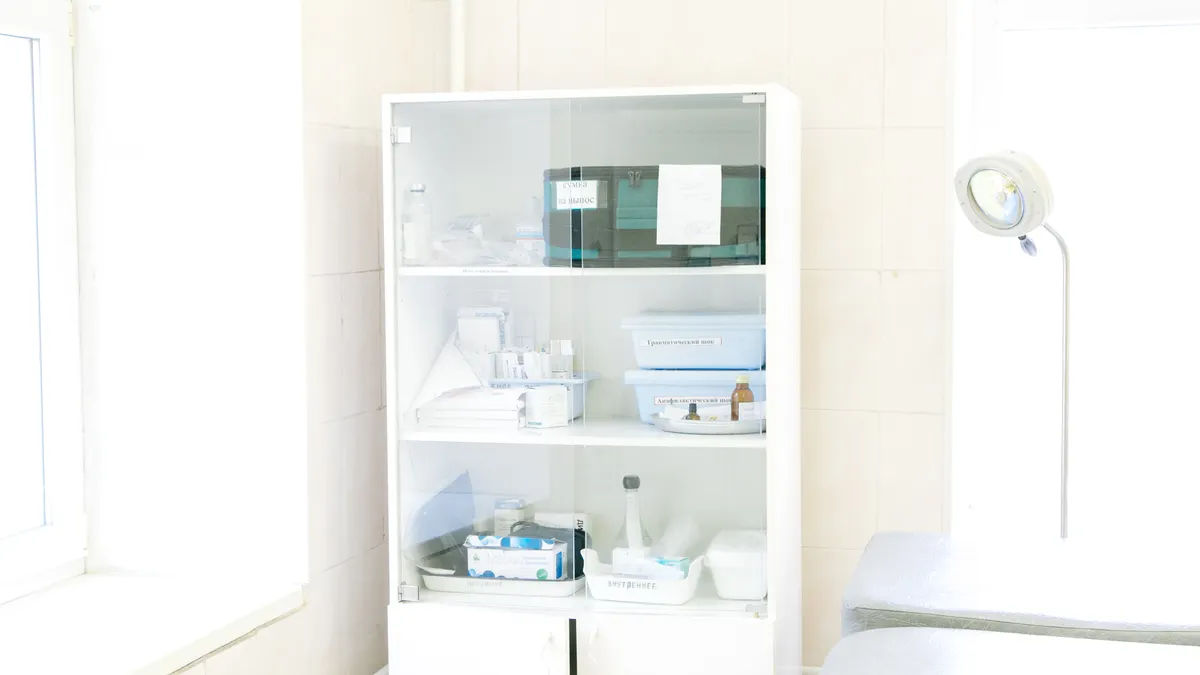
Pet medicine should be kept in a cool, dry, locked or out-of-reach place that your household can find quickly in an emergency. The best spot is usually one that stays close to normal room temperature and does not change temperature every few hours, according to the product label or your pharmacist.
A bathroom cabinet is a poor default because showers, baths, and sinks raise humidity. Moisture can damage tablets, soften capsules, and make labels peel. A kitchen cabinet near the oven is also a poor choice because heat rises from appliances and steam from cooking can drift into nearby storage. Even a sunny windowsill can be a problem, because direct light and heat can change the storage environment over the course of a day.
A better setup is a high interior cabinet, dresser drawer, or dedicated lockbox in a room with a stable temperature. If the medicine needs refrigeration, the refrigerator is the correct place, not the bathroom mini-fridge or a cooler bag left on the counter. The refrigerator should be used with the same discipline as a kitchen appliance for food safety: door storage is less stable than the main compartment, and a freezer shelf is not a substitute for refrigeration.
The term pharmacists often use here is “room temperature,” which is not a vague idea. It means the range written on the package or, if no exact range is printed, a normal indoor environment without heat, cold, or humidity extremes. In practical terms, that means avoiding places that cycle around 10°C overnight and 30°C in the afternoon. If your home runs hot, or if you live where power cuts are common, ask the pharmacist how that product should be handled. The FDA’s consumer guidance also says to follow the label and ask if you are unsure about storage. FDA
This is also where access control matters. A high shelf is not enough if the shelf is reachable from furniture, and a child-resistant cap is not a child-proof lock. A lockbox or lockable cabinet is the safer choice when there is any chance of curious hands, visiting children, or pets who investigate dropped bottles. Prescription bottles should stay closed and upright, with the label facing out so you can read the name without opening anything. The FDA notes that many medicine exposures happen when pets or children get into a product left within reach. FDA
Should pet medicine be refrigerated?
Some pet medicines should be refrigerated, but only if the label or your veterinarian says so. The refrigerator is not a universal storage solution, and putting the wrong product in cold storage can be just as unhelpful as leaving a temperature-sensitive product on a counter.
Refrigerated medicines are usually the ones that need a stable cool environment. The important question is not “cold or not cold?” but “what range does this product require?” A label may call for 2°C to 8°C, or it may say simply “refrigerate,” which usually means keep it in a household refrigerator rather than a freezer. Some medicines should be protected from freezing, and freezing can damage suspensions, emulsions, and certain liquids by changing how the ingredients separate or dissolve.
A few storage habits make a refrigerator safer for medicine. Keep the medicine in the original bottle or carton so the cap stays tight and the label stays legible. Place it in the main compartment where the temperature is steadier, not in the door where warm air enters each time the door opens. If the product is light-sensitive, keep it in its box if the box is meant to stay with the medicine. Do not store it beside raw meat, spill-prone containers, or open food that could contaminate the outside of the bottle.
What should worry you is not merely “it was in the fridge,” but whether it may have frozen, warmed, or been left in a hot car during transport. A medicine that was carried home for 20 minutes in summer without a cooler may still be fine, or it may need professional guidance; the correct answer depends on the product. The same is true after a power outage. If the refrigerator stayed closed for a short time, the contents may have remained within range; if it was open often or off for hours, ask the dispensing pharmacy or veterinarian for product-specific advice rather than guessing.
What mistakes people make with pet medicine storage
The most common storage mistakes are predictable, and each one creates a different kind of risk: reduced potency, mix-ups, or accidental swallowing. The fix is usually simple once the mistake is named. The FDA and ASPCA both list common household exposure risks, including leaving medicine within reach or using the wrong container. FDA, ASPCA
- Storing medicine in the bathroom: Steam and humidity can weaken packaging and change tablets or capsules over time — move the medicine to a dry cabinet or lockbox instead.
- Leaving bottles loose on a counter or nightstand: This increases the chance of a pet or child getting into the medicine — return it to a closed, labeled container immediately.
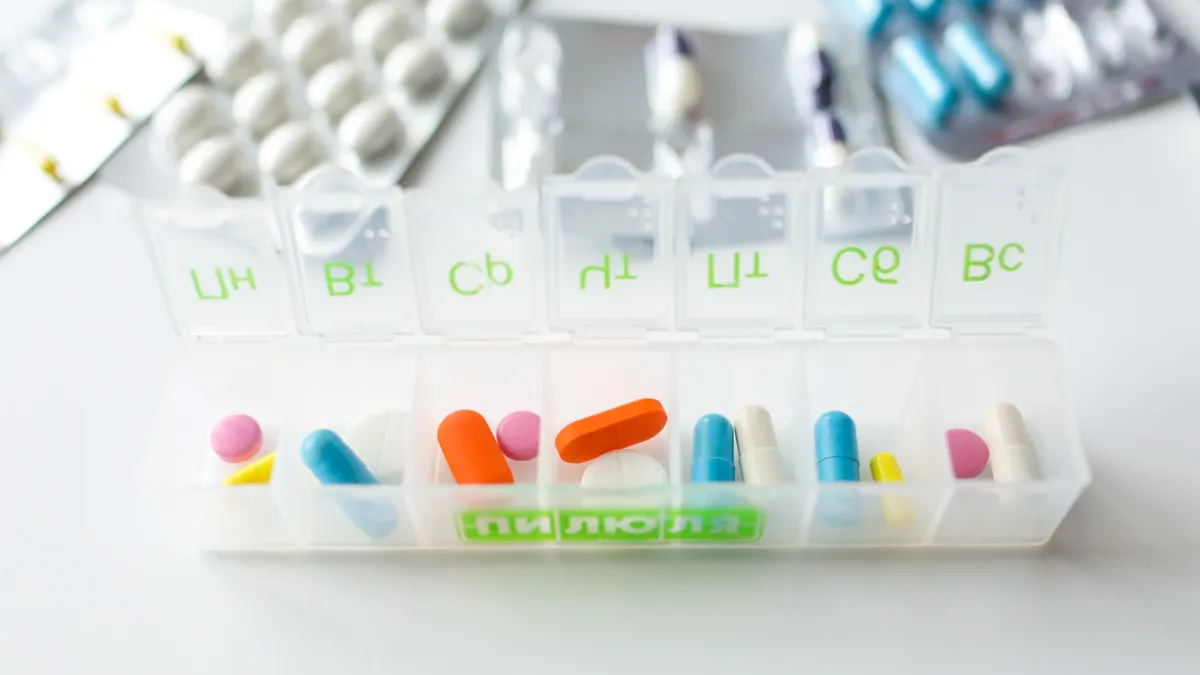
- Using pill organizers for everything: Organizers can help for some human routines, but they can strip away the label, lot number, and storage instructions — keep the original packaging unless a pharmacist or veterinarian has said otherwise.
- Mixing human and pet medicines together: Similar bottles get confused fast, especially when strengths differ — separate them into different shelves or bins.
- Ignoring “protect from light” or “keep refrigerated” directions: These are storage instructions, not suggestions — follow the printed directions or ask a professional if they are unclear.
- Keeping expired medicine “just in case” without reviewing it: Expired products may be less reliable, and some liquids should not be kept once the in-use period ends — set aside anything expired for disposal rather than continuing to store it.
One trade-off is worth stating plainly: the safest storage system is usually not the most convenient one. A lockbox on a high shelf takes a little more effort than leaving a bottle on the kitchen counter, and a refrigerated product takes a little more planning than a cupboard pill. That inconvenience is the price of not having to guess later whether the medicine was exposed to heat, moisture, or casual access.
When should you stop relying on the usual storage setup?
You should stop using the usual storage setup and ask a pharmacist or veterinarian when the medicine has been exposed to conditions that may have changed it. This is where simple household rules end and product-specific advice begins.
The bottle was left in a hot car or near a heater: Heat can alter stability and potency — do not assume it is still fine, and ask the dispensing professional for guidance.
The medicine froze, thawed, or shows crystals, clumps, or separation: The formulation may have been damaged — hold the product aside and get advice before using it.
The label is missing, torn, soaked, or illegible: You cannot verify the drug, strength, or storage instructions — replace the identification before any further use.
The product is expired or past a shorter in-use date after opening: The remaining supply may no longer be dependable — separate it for disposal rather than keeping it with active medicine.
A child, visitor, or pet may have accessed the container: Access control has failed, even if nothing obvious is missing — secure the product immediately and contact a professional if ingestion is possible.
You are unsure whether the medicine needs refrigeration or light protection: Guessing is the wrong tool — check the pharmacy label, package insert, or the dispensing clinic before storing it again.
These are not alarmist edge cases. They are the moments when “store it like the last one” becomes the wrong approach, because the product may no longer be stable enough for normal use.
Drafted with AI; not yet reviewed by a person.